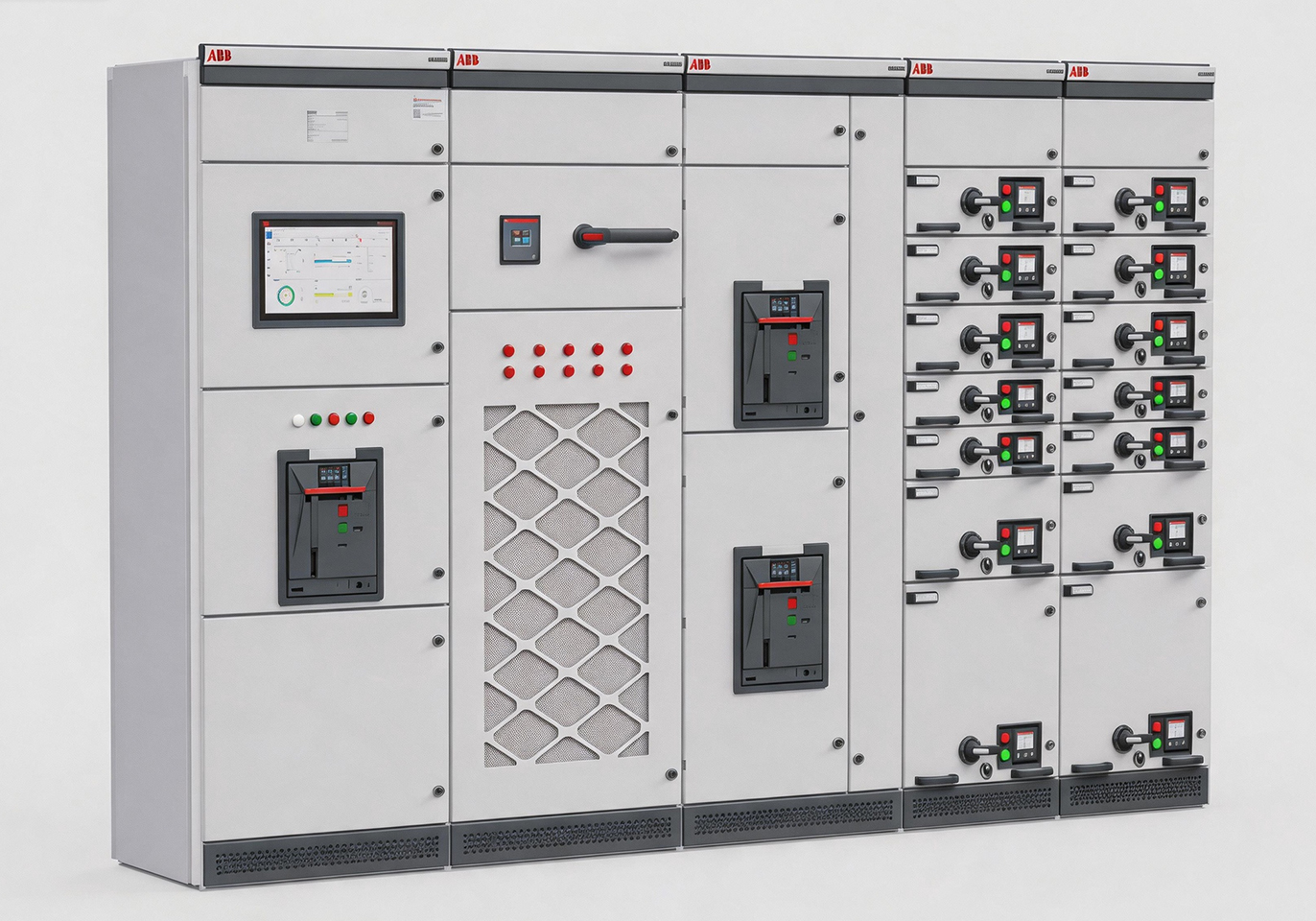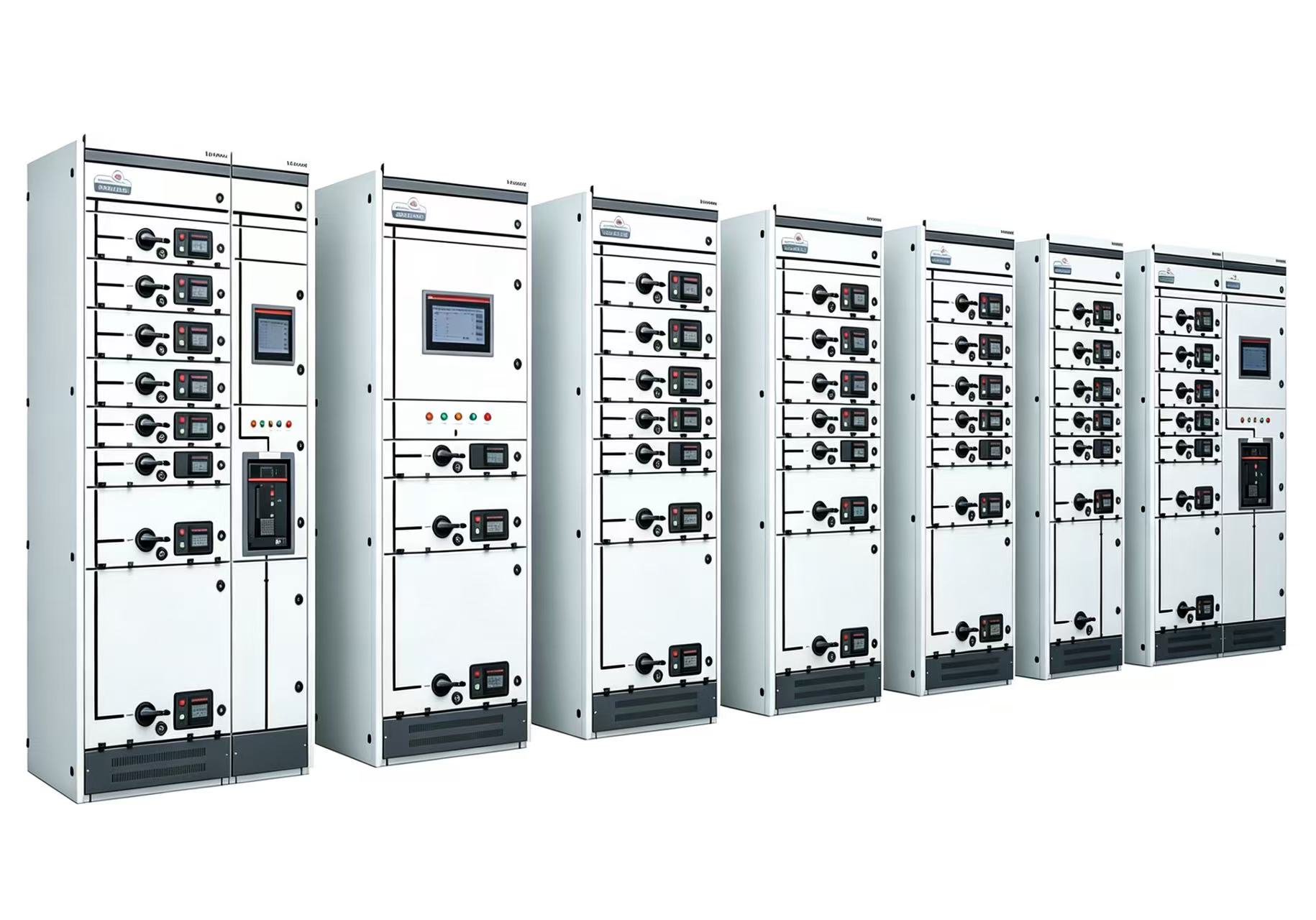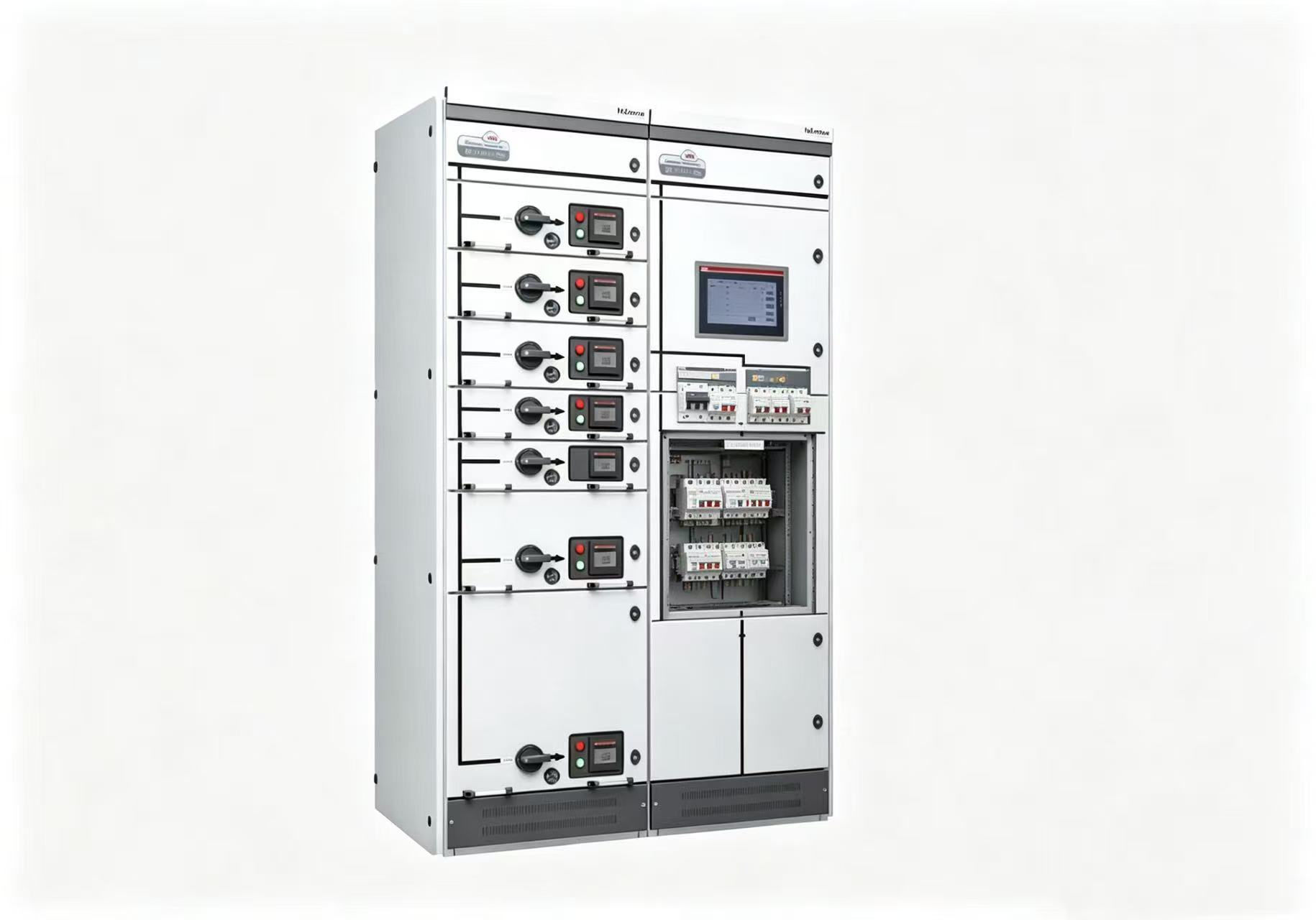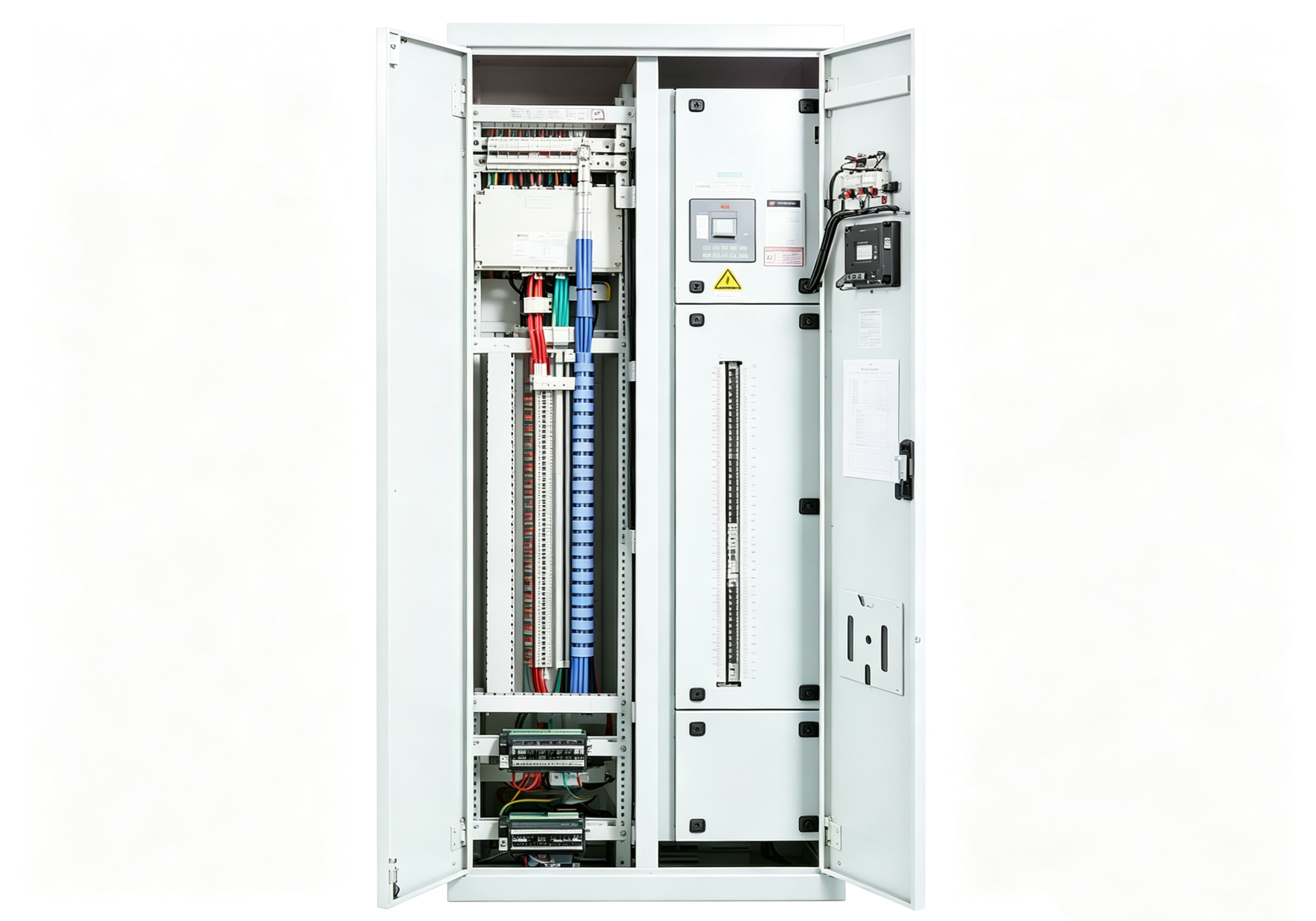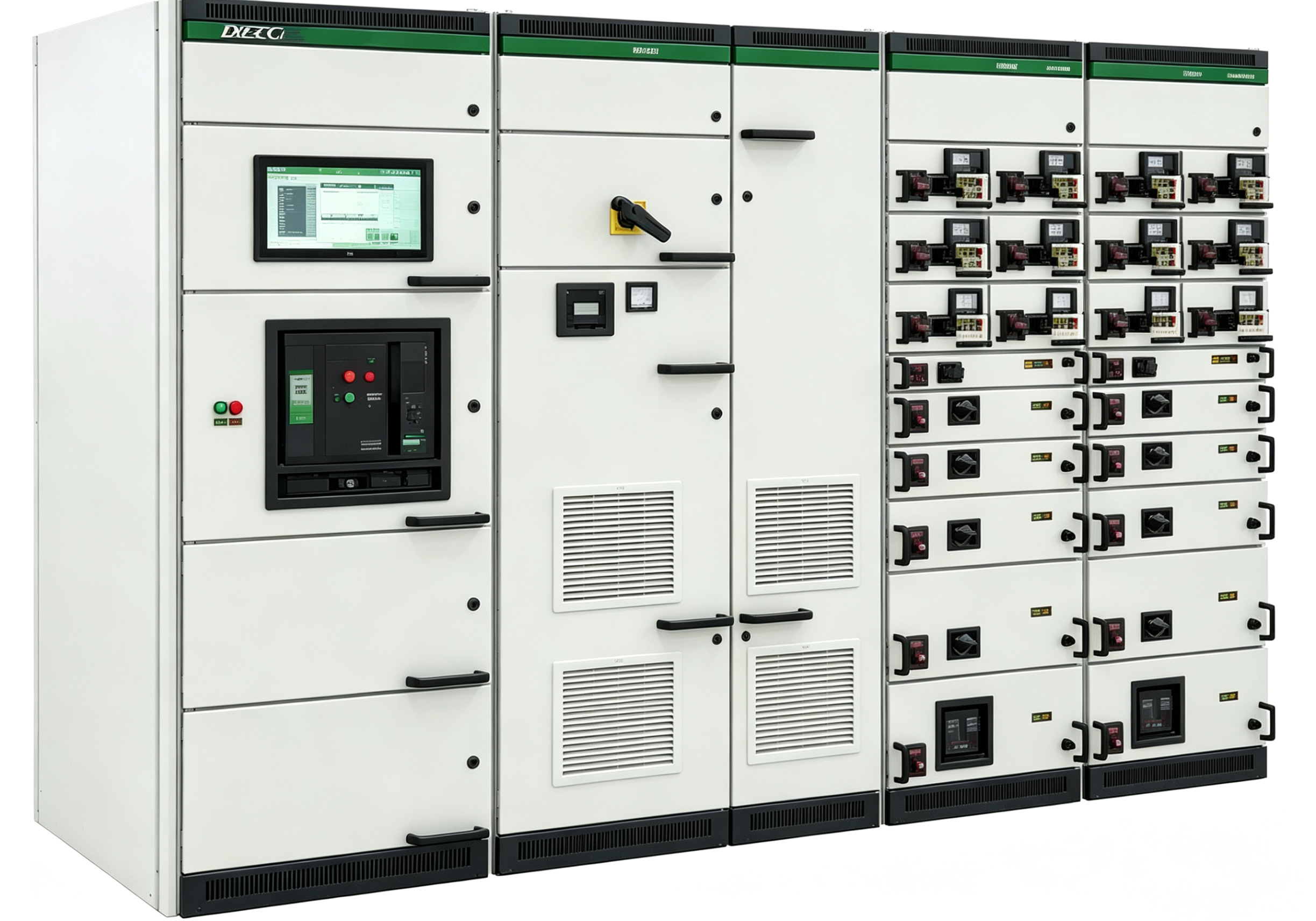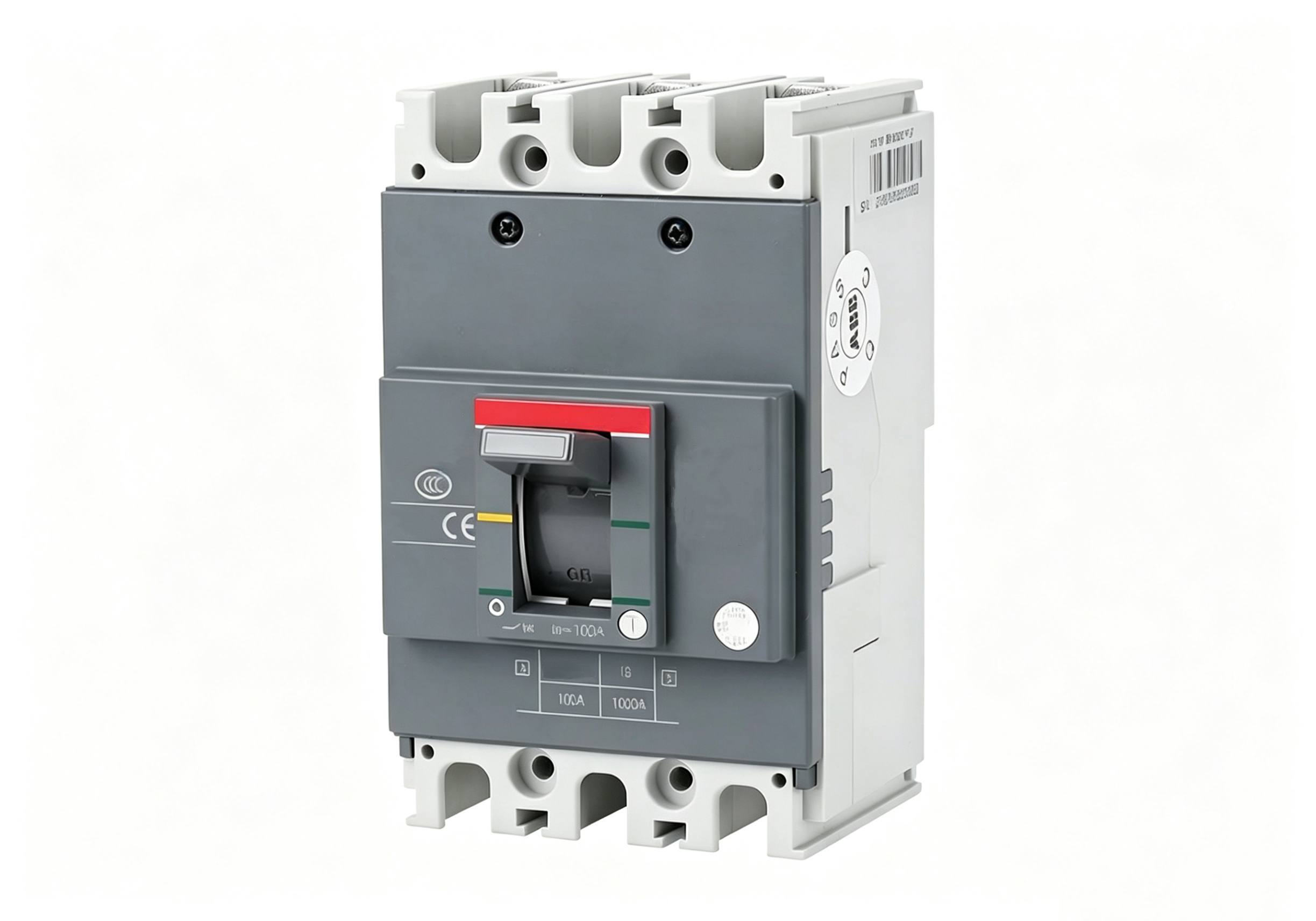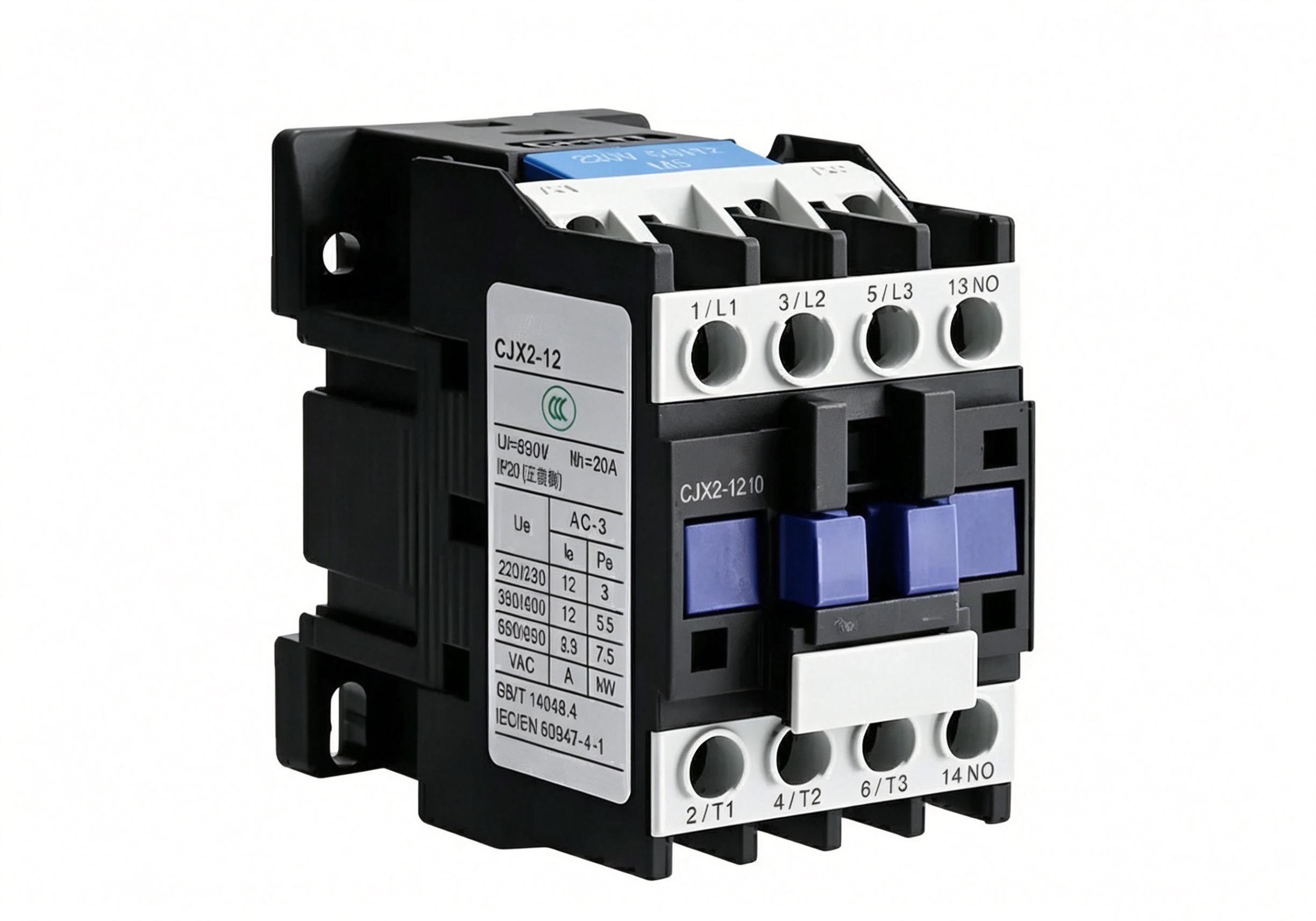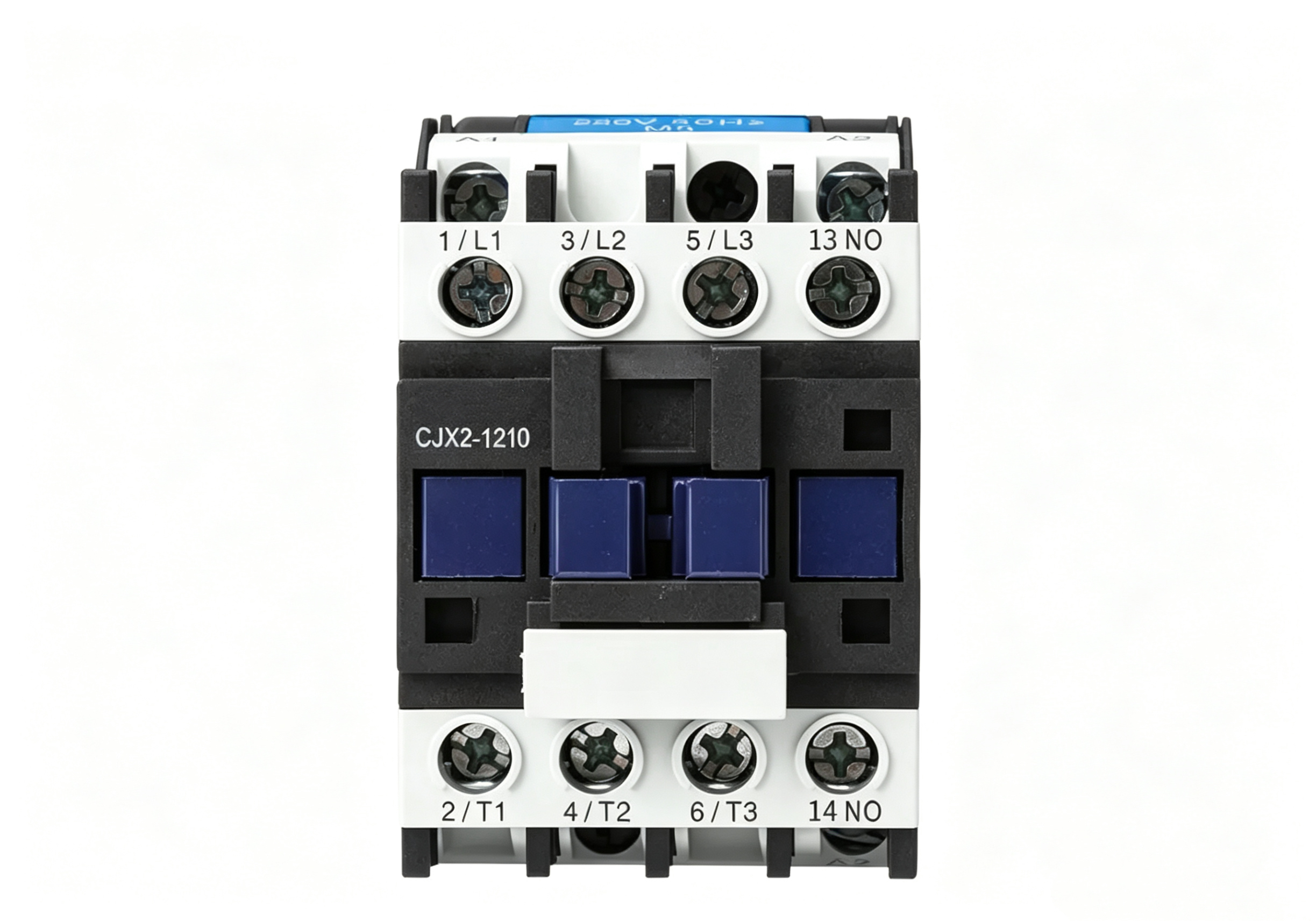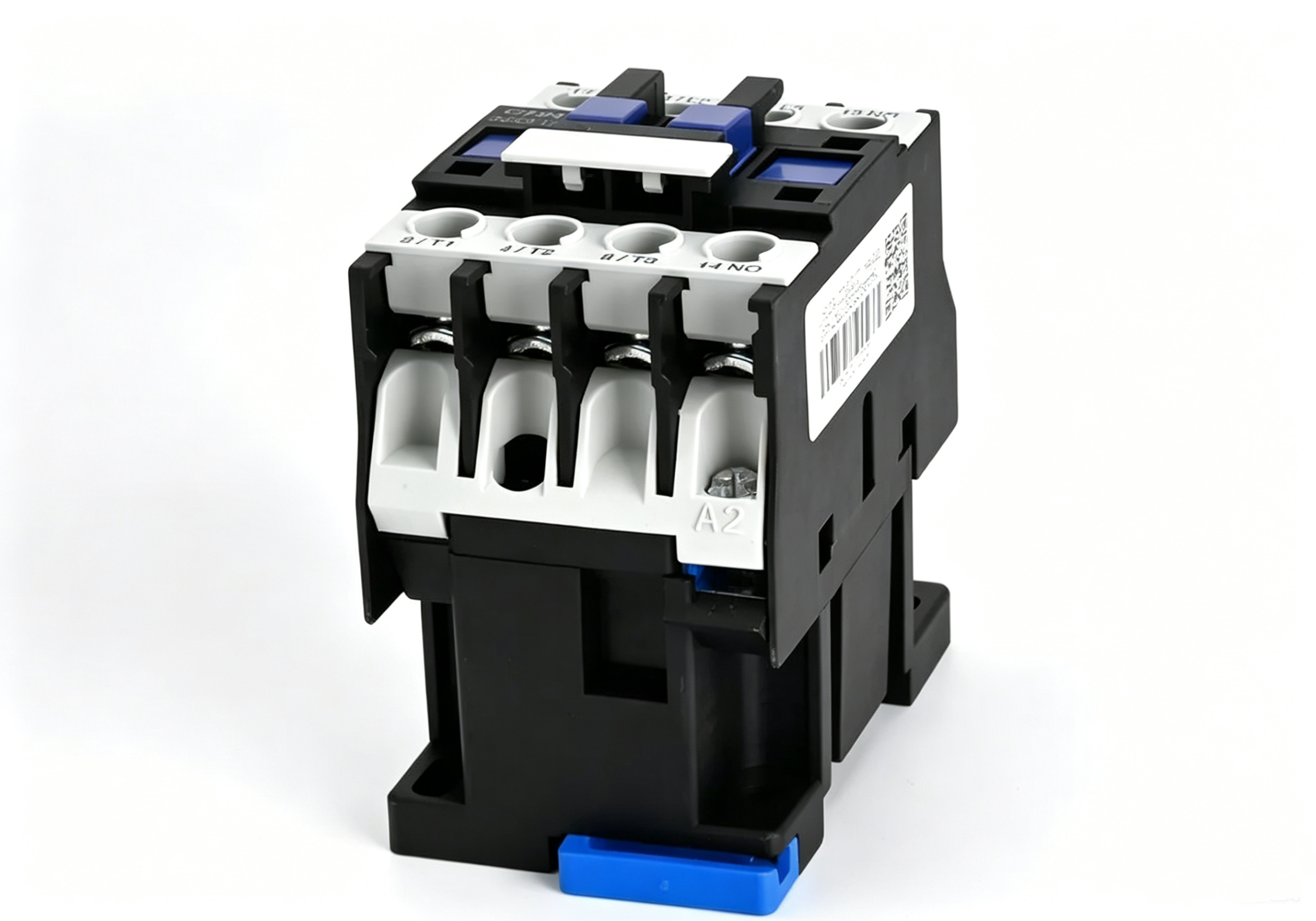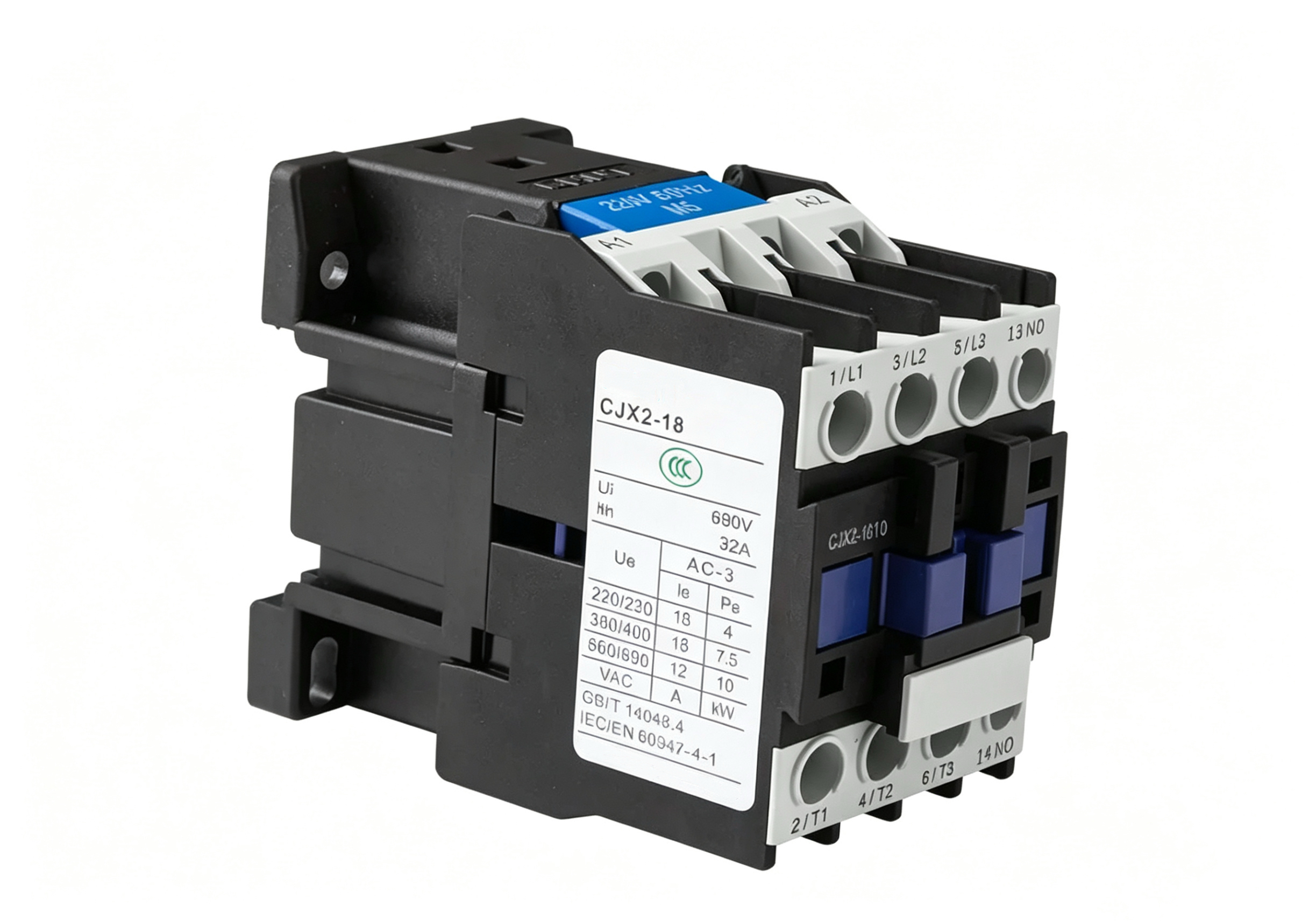
The AC contactor is a core component in electrical control systems for achieving remote, frequent circuit switching. It is typically combined with thermal relays and circuit breakers to form complete motor control circuits, and is widely used in equipment such as main control cabinets (MCCs), control cabinets, and power boxes. Primarily employed for motor start-stop control, it also enables operation of capacitors, lighting circuits, electric heating devices, welding machines, and other loads, making it a fundamental component extensively utilized in industrial automation. Operating on an electromagnetic drive principle, the contactor drives contact separation and closure through coil engagement and release, offering high sensitivity and rapid response times, along with exceptionally long mechanical and electrical lifespans that withstand frequent switching operations in industrial environments.
product highlights:
Extremely long service life: Mechanical durability up to 10 million cycles, electrical durability up to 1 million cycles (under AC-3 conditions), meeting stringent industrial requirements for high-frequency operation.
Wide voltage range reliable engagement: Engages reliably across 85%–110% Us voltage ranges, even under power grid fluctuations, making it suitable for unstable power supply conditions.
Modular flexible expansion: Features a modular assembly structure that facilitates the installation of various accessories such as auxiliary contacts, coil drive units, surge suppressors, and thermal relays.
Full-range load compatibility: covers all current specifications from 9A to 630A, suitable for various industrial applications including motor start/stop control, capacitor switching, lighting systems, and electric heating equipment operation.
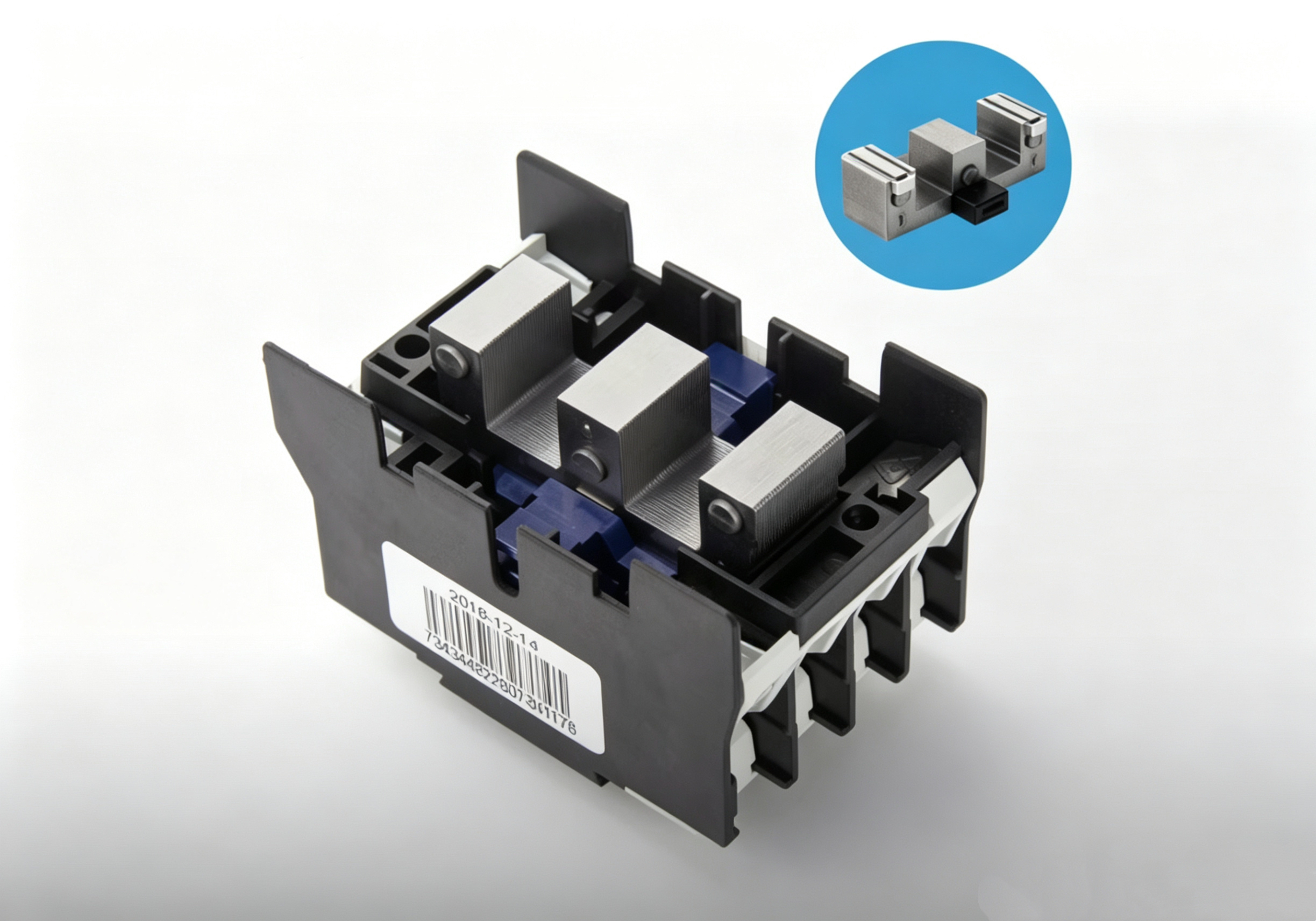
The product features a mature structural design, with main contacts made of arc-resistant alloy that offers excellent conductivity, low wear resistance, and long service life. The coils are wound with high-temperature resistant enameled wire, ensuring low operating temperature rise and reduced risk of burnout, making them suitable for harsh workshop environments with high temperatures and dust conditions. The equipment can flexibly expand with multiple sets of normally open and normally closed auxiliary contacts to meet the requirements of signal interlocking, status feedback, and coordinated control in complex control circuits, while seamlessly integrating with automation components such as PLCs and relays.
application scenarios:
Used for controlling various processing motors and conveying equipment in automobile manufacturing and mechanical processing production lines; for managing water pumps and fan motors in water supply and HVAC systems; for driving stirring equipment and valve motors in the chemical and pharmaceutical industries; for powering heavy-duty machinery such as large fans, crushers, and rolling mills in power and metallurgical sectors; and also applied for circuit control of non-motor loads including building lighting, central air conditioning systems, and industrial electric furnaces.