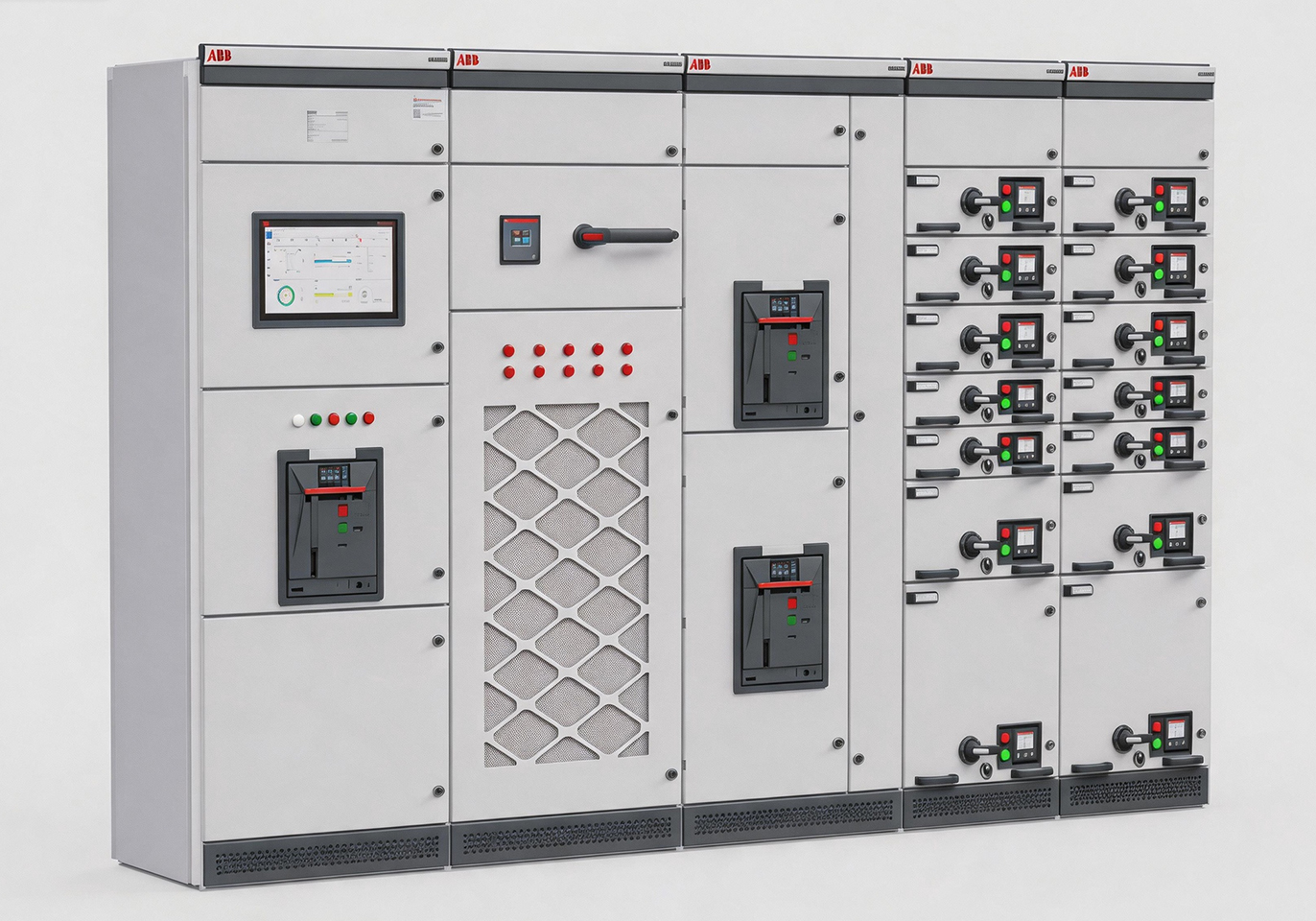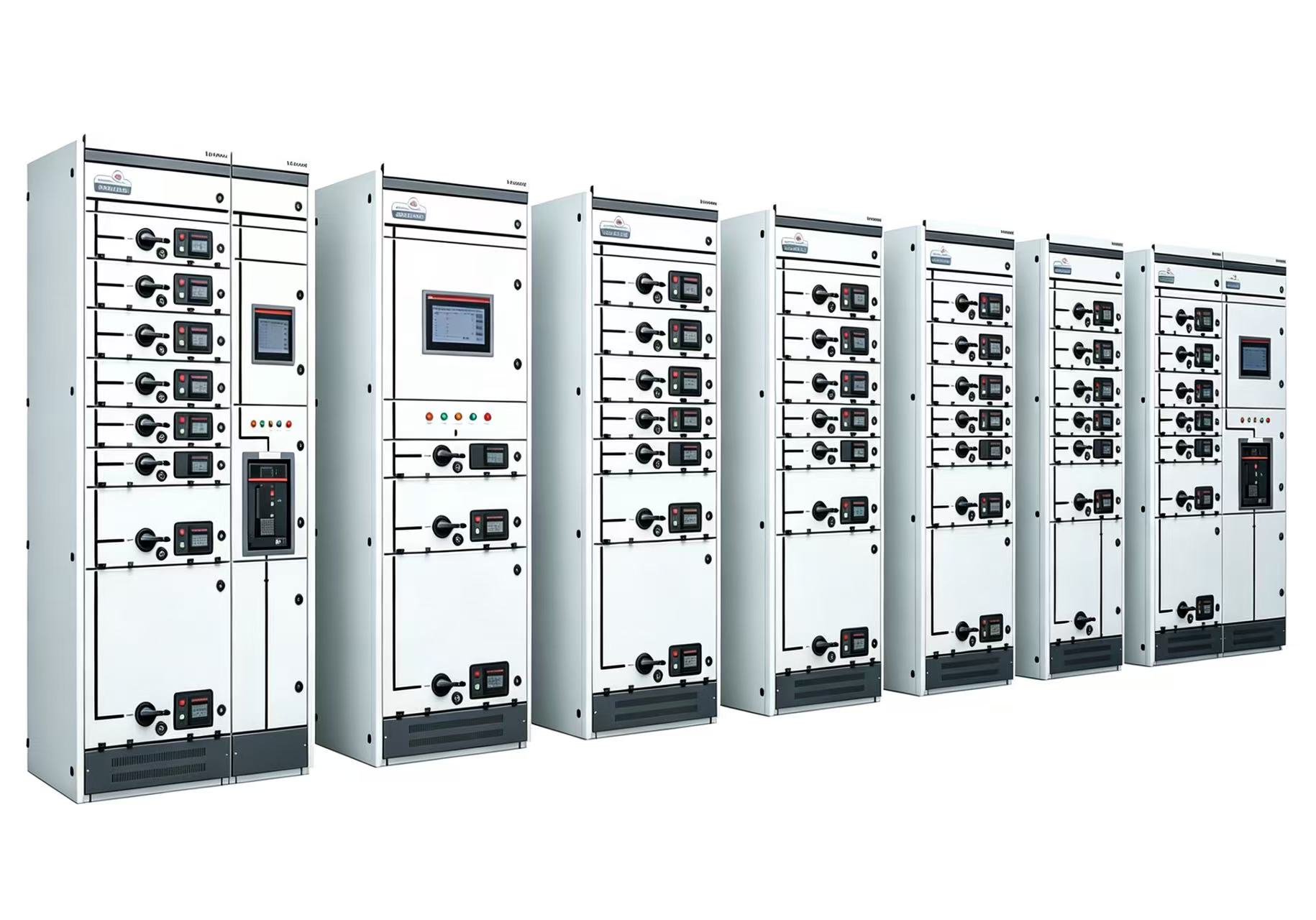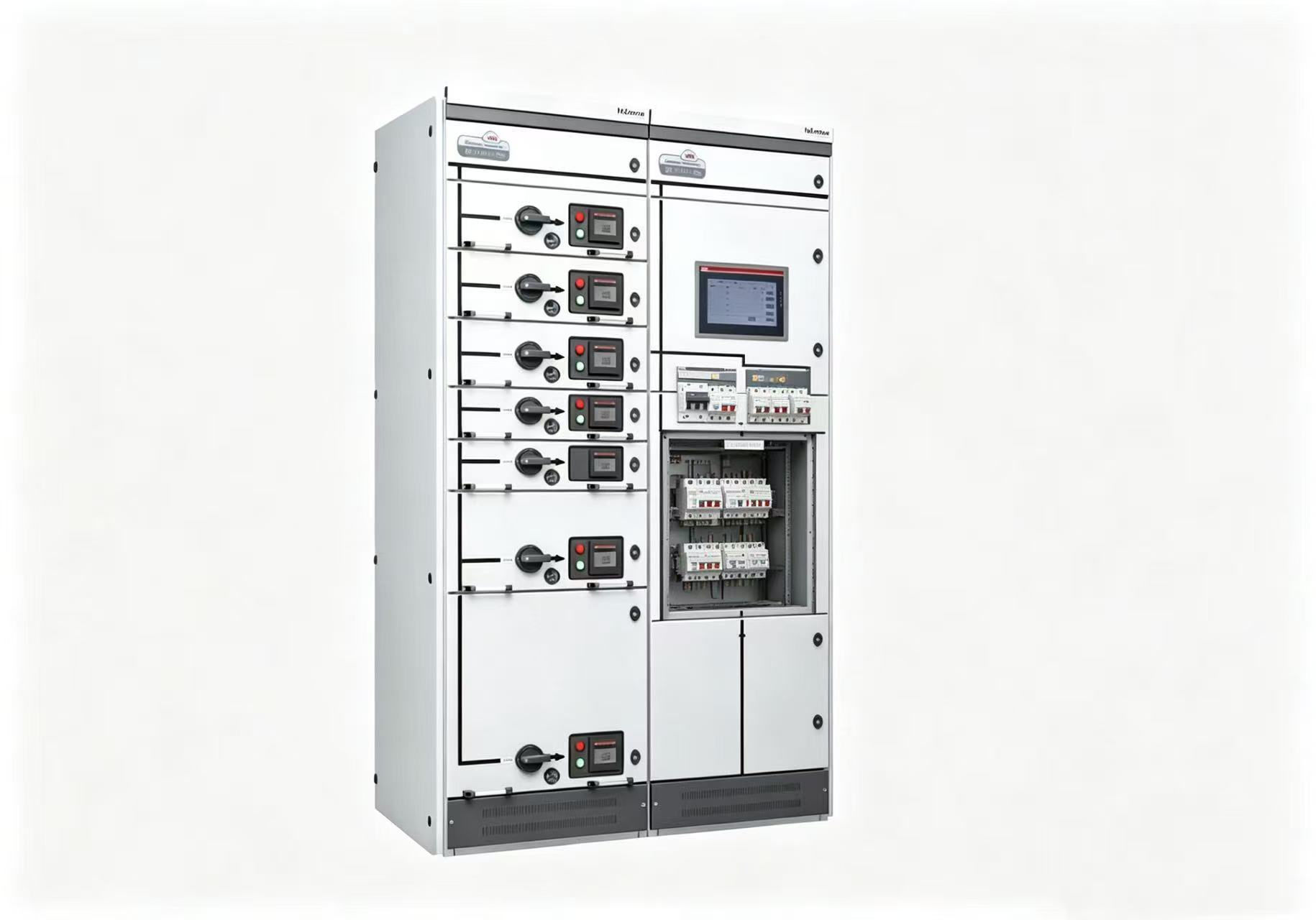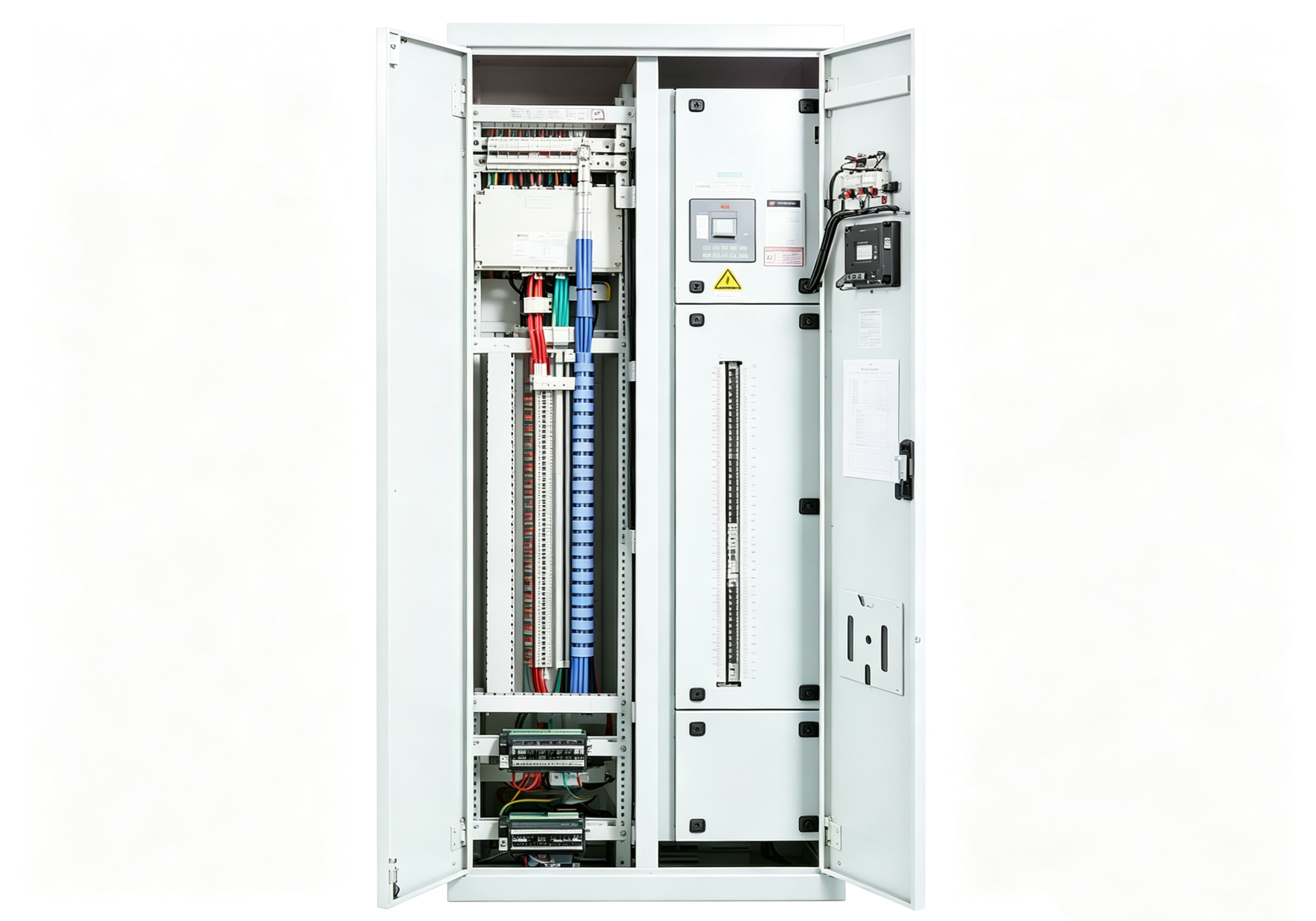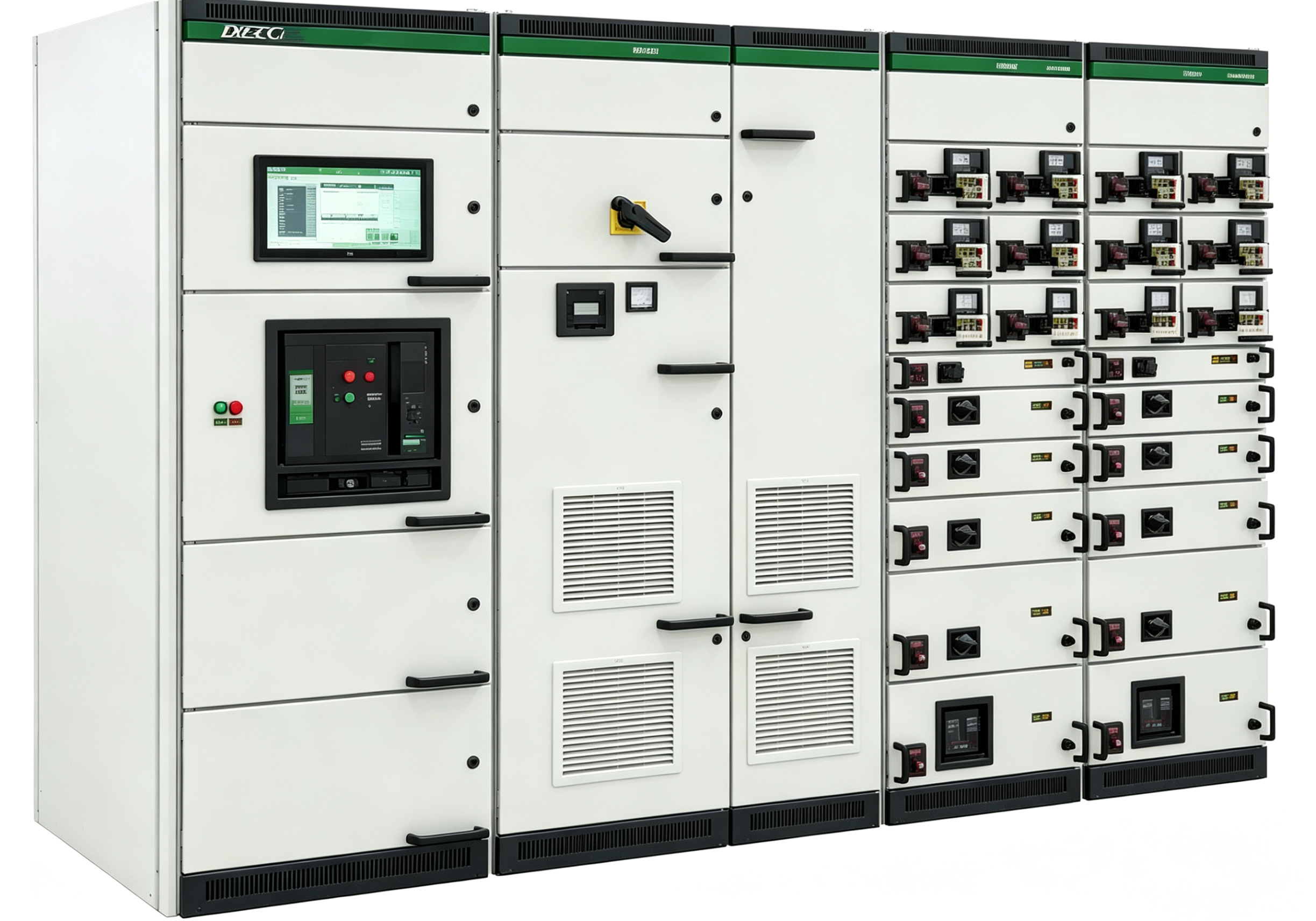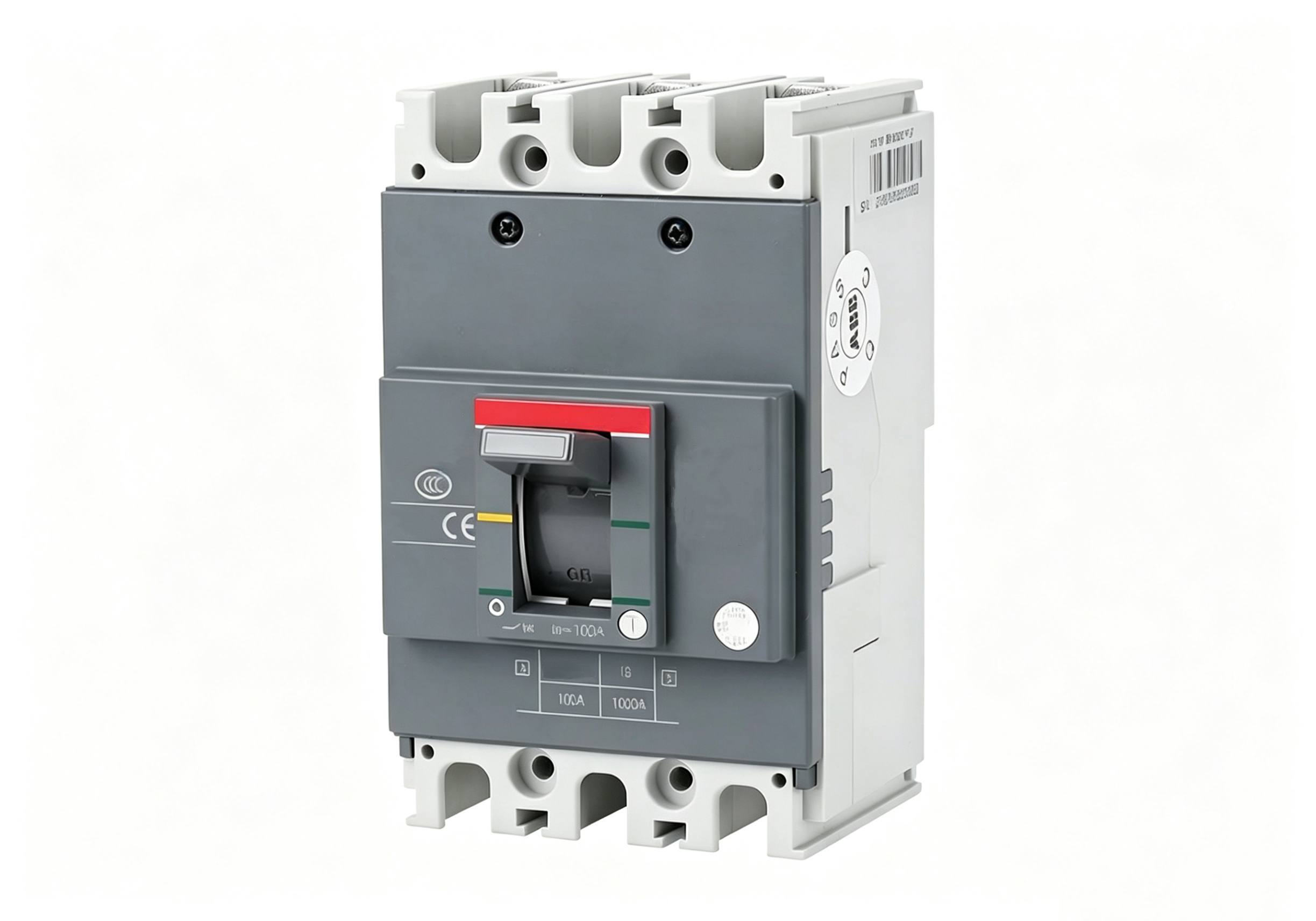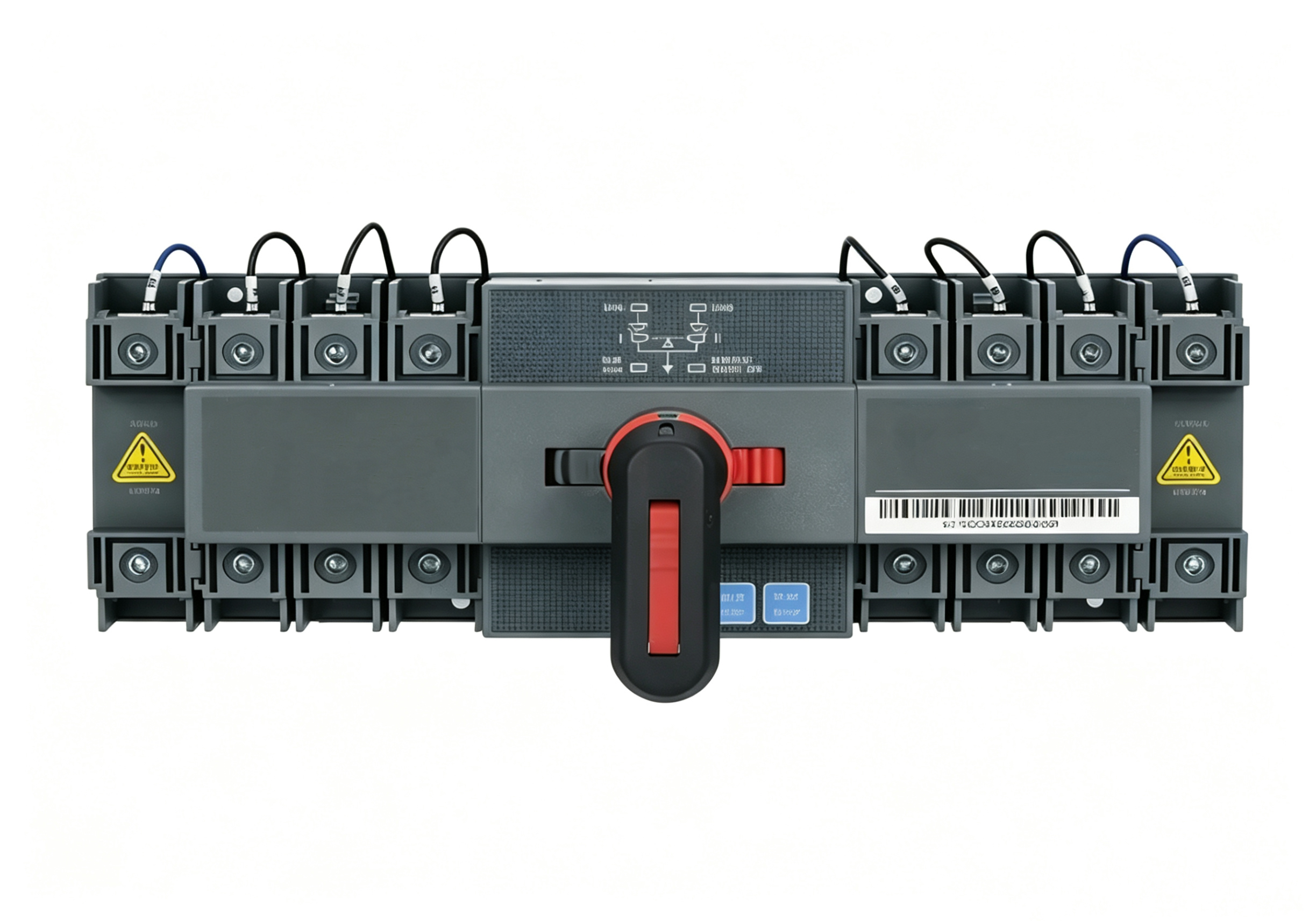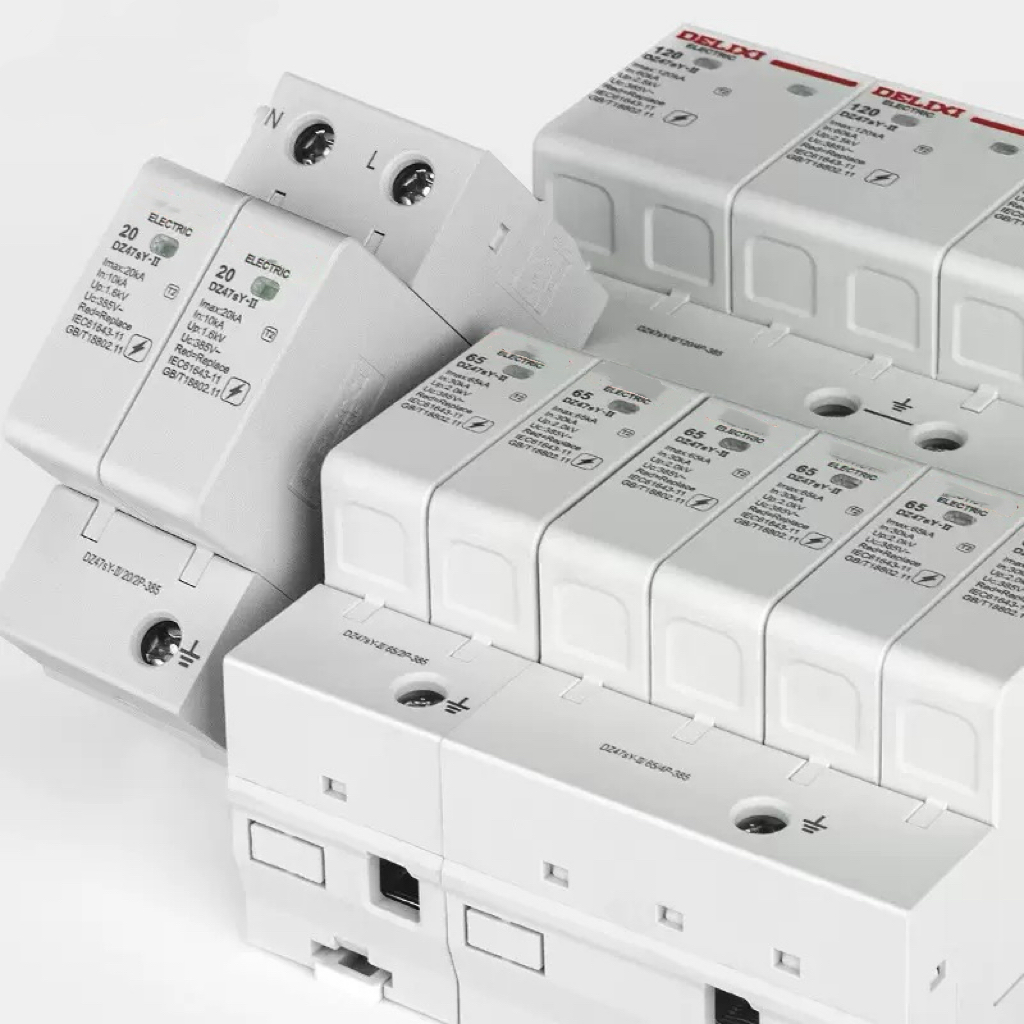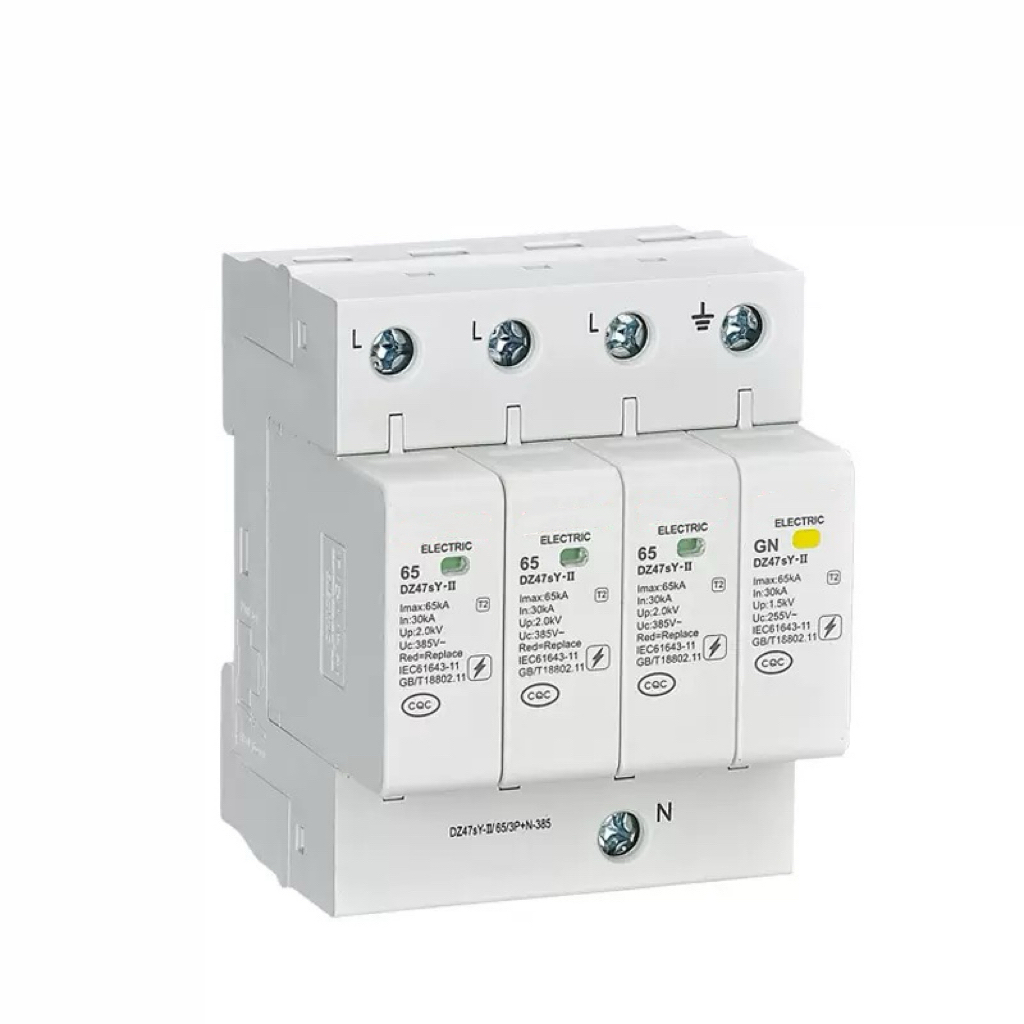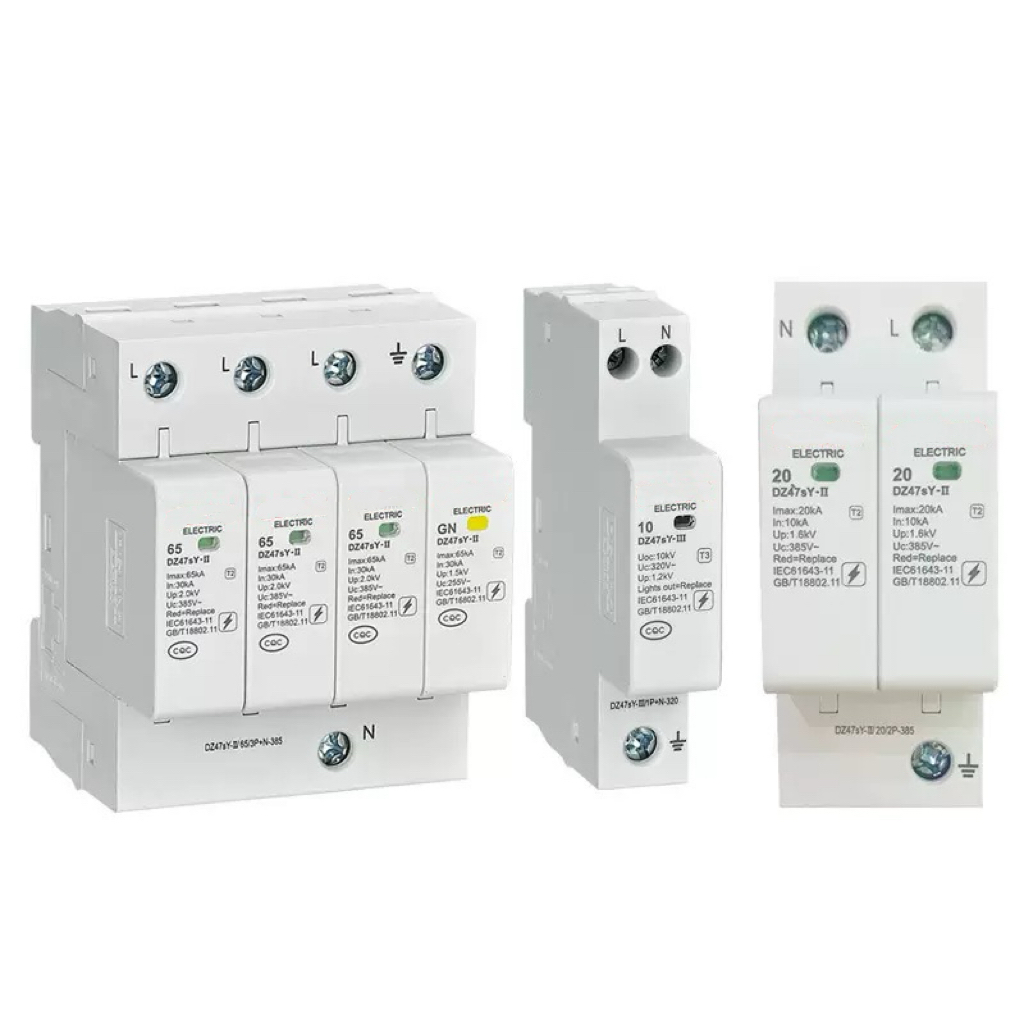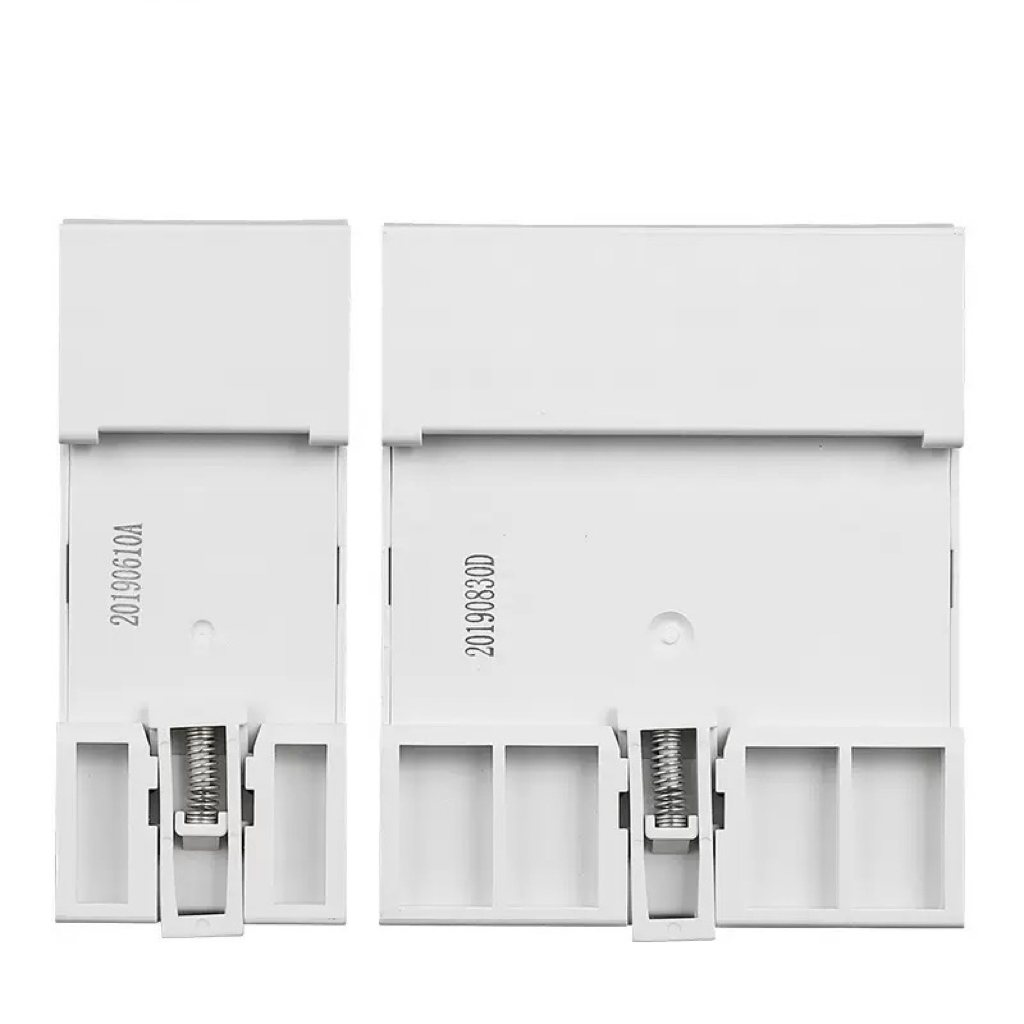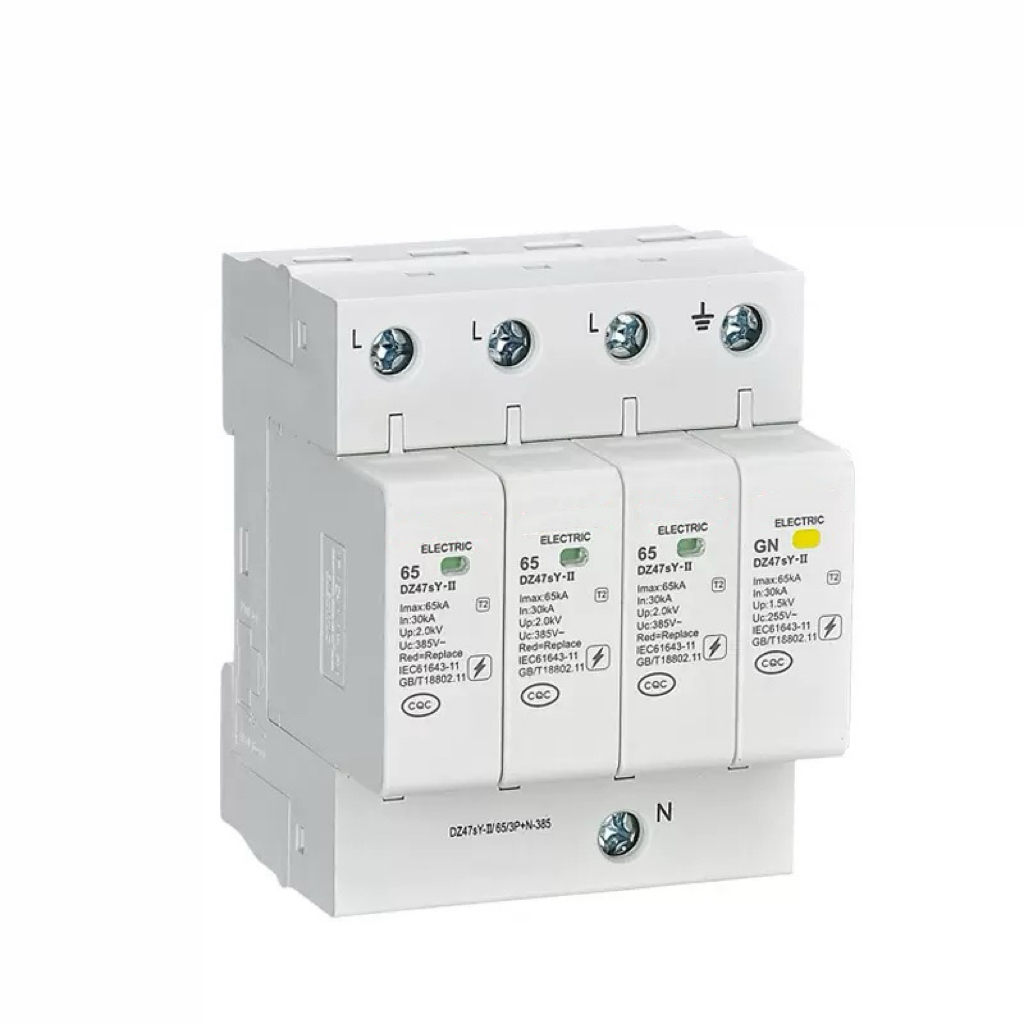
A surge protector (SPD), also known as a lightning arrester, is the core component for protecting power distribution systems and precision electronic equipment against lightning overvoltages and operational overvoltages. It rapidly absorbs transient high-energy surge currents generated by lightning strikes or circuit switching, maintaining line voltage within safe limits and safeguarding downstream devices such as distribution cabinets, motors, servers, and precision instruments from damage caused by overvoltages. SPDs are widely installed in distribution cabinets, server rooms, outdoor power distribution facilities, and industrial automation system
product highlights:
Ultra-fast response protection: Resistor-based technology with a response time of ≤25 ns, effectively suppressing lightning strikes and operational overvoltages.
Extensive current rating coverage: A full range of 20 kA to 100 kA current ratings, meeting lightning protection requirements across all levels from end devices to power distribution hubs.
Multi-layer security protection: Built-in thermal trip protection prevents overheating and fire hazards; optional remote alarm contacts enable remote status monitoring.
System-wide compatibility: Features three-tier protection (T1/T2/T3) and supports various grounding systems including TN, TT, and IT.
The product core employs varistor technology, featuring extremely fast response speed and low residual voltage, enabling instantaneous conduction to dissipate surge energy within microseconds and mitigate the impact of lightning surges and switching operations on circuits. It integrates an independent thermal trip protection device; when the varistor experiences prolonged aging or overheating failure, the thermal trip mechanism automatically cuts off the main circuit while displaying a fault indicator, preventing SPD overheating and fire hazards, thereby eliminating safety risks fundamentally. Most models are equipped with optional remote alarm modules that transmit alert signals remotely during equipment faults or activation, allowing maintenance personnel to promptly identify issues and perform repairs, making them suitable for unattended data centers and outdoor power distribution stations.
application scenarios:
Communication base stations and data center rooms protect precision network equipment such as servers and switches; outdoor facilities in petrochemical plants, power plants, and rail transit systems are safeguarded against lightning strikes in open environments; municipal buildings, residential complexes, shopping malls, and hotels receive lightning protection for civilian power distribution systems; industrial automation production lines and precision instrument laboratories prevent damage to control components and detection equipment caused by operational overvoltages; substations, power distribution hubs, and other critical power infrastructure strengthen the lightning protection barrier for the power grid.