
NewsNEWCENTER
Featured products

Contact Us
Beyond On and Off: Understanding LV Switch Categories and Selection Pitfalls
2026-07-30In low-voltage systems, a “switch” seems the simplest device—connect or disconnect a circuit. Yet the functional definitions and type-testing requirements in IEC 60947 are far more nuanced. Mistaking a disconnector for a load switch, or assuming every circuit breaker qualifies as an isolator, remains a common root cause of injury and equipment damage. Understanding the precise roles of different switch types is essential engineering discipline.
1. Four Functional Roles Defined by Standards
IEC 60947-1, -2, and -3 define four independent functions: isolation, making/breaking under load, overcurrent protection, and transfer switching. Products are type-tested for one or a combination:
-
Disconnector: Provides isolation distance in the open position to ensure a dead circuit for maintenance; typically not rated for breaking load current.
-
Switch: Makes, carries, and breaks normal load current, withstands short-time overcurrents, but provides no short-circuit protection.
-
Switch-Disconnector: Combines load-breaking capability with isolation; suitable for switching rated operating current and providing safe isolation.
-
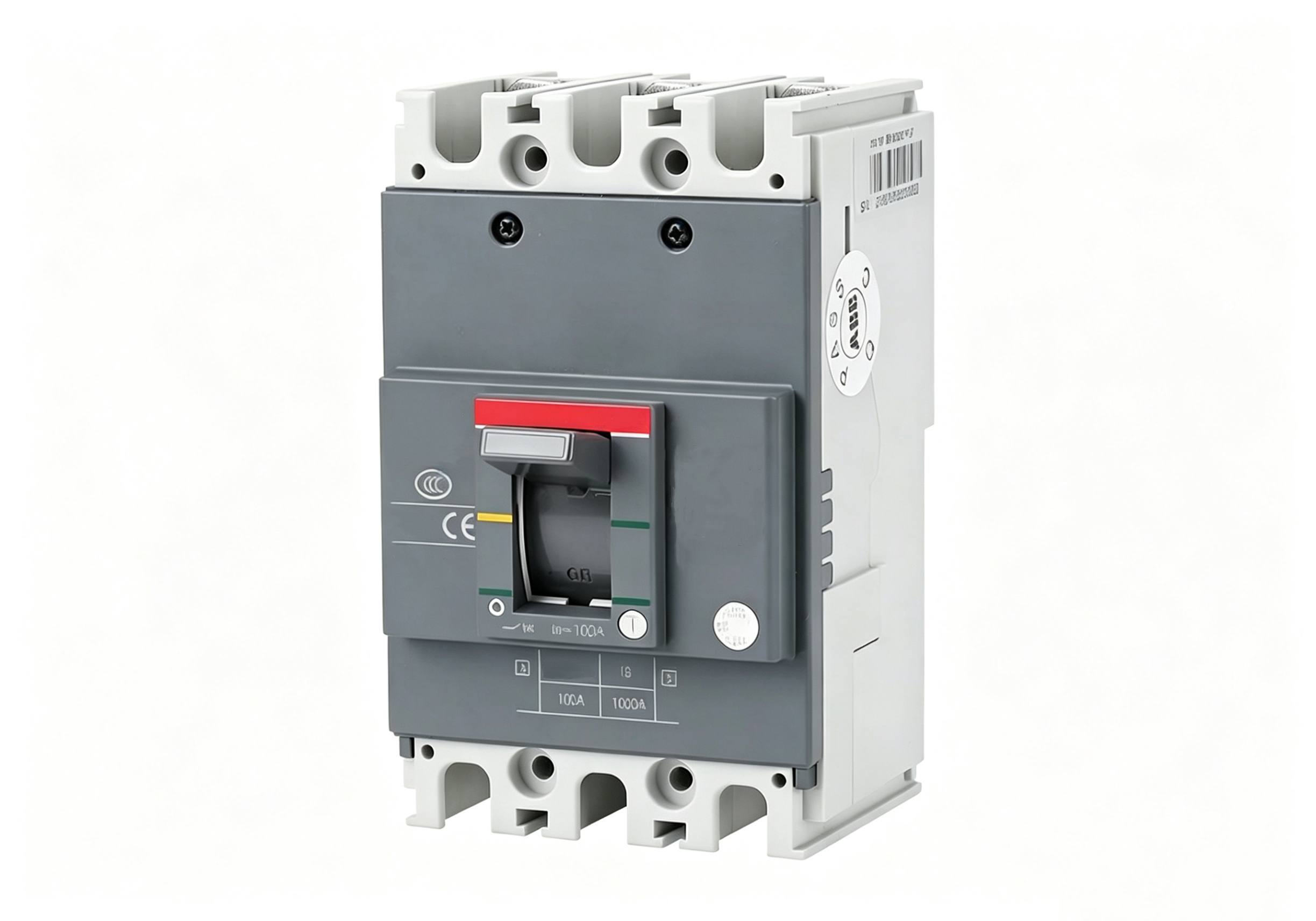
Circuit-Breaker: Combines switching, protection, and isolation (if marked with the isolation symbol).
- 2. Disconnectors: Isolation is the Sole Mission
Key parameters for disconnectors are not just rated current but power-frequency and impulse withstand voltage, plus visible gap indication. Standards require a clear visible break or a reliable mechanical indicator. Disconnectors must not break load current unless specifically tested for a utilization category like AC-20B. In PV systems, DC disconnectors rated for full string open-circuit voltage are mandatory—using an AC disconnector on DC can sustain a continuous arc, leading to equipment destruction. - 3. Switch-Disconnectors: The Frequent-Operation Specialist
These are built for regular operation, such as main incoming devices or capacitor bank switching. Electrical life is measured in tens of thousands of cycles. Utilization categories (AC-21, 22, 23) define the expected load—AC-23 covers motor loads and occasional locked-rotor breaking, demanding superior arc-contact endurance. Another critical parameter is the rated short-circuit making capacity (Icm), which ensures the switch can close onto a fault without contact welding. If the downstream fault current is high and upstream protection is slow, inadequate Icm leads to catastrophic welding or ejection of contacts. - 4. Circuit Breakers: Isolation Requires Certification
Not all circuit breakers can serve as isolators. IEC 60947-2 requires an impulse withstand test across open contacts and the isolation symbol on the product. Many electronic-trip ACBs/MCCBs can provide isolation, but maintenance staff must verify the open position and discharged stored-energy mechanism before working downstream. The assumption that “the breaker is off so it’s safe” without checking for an isolation rating is a textbook precursor to electric shock. -
5Common Selection Mistakes
-
Using a disconnector as a load switch: Frequent load breaking erodes contacts and risks phase-to-phase arcing.
-
Ignoring AC/DC switching difference: AC switches fail to extinguish DC arcs.
-
Overlooking utilization categories: AC-23 duty is 1.5-2 times more severe than AC-21; mismatching leads to premature failure.
-
Paralleling switches: Dangerous practice; unequal opening times force full current onto a single pole.
-
Conclusion
Switchgear components may be small, but they are the last visible assurance of safe operation in any LV system. Rigorously matching isolation, switching, and protection functions to the correct devices—from the design phase—demonstrates respect for maintenance personnel and asset integrity. Next time you review a switch datasheet, spend ten more minutes verifying its utilization category and isolation certification. That simple discipline could prevent a serious accident