
NewsNEWCENTER
Featured products

Contact Us
DC Power Module (240V/336V HVDC): The New Species of Data Center Power Supply
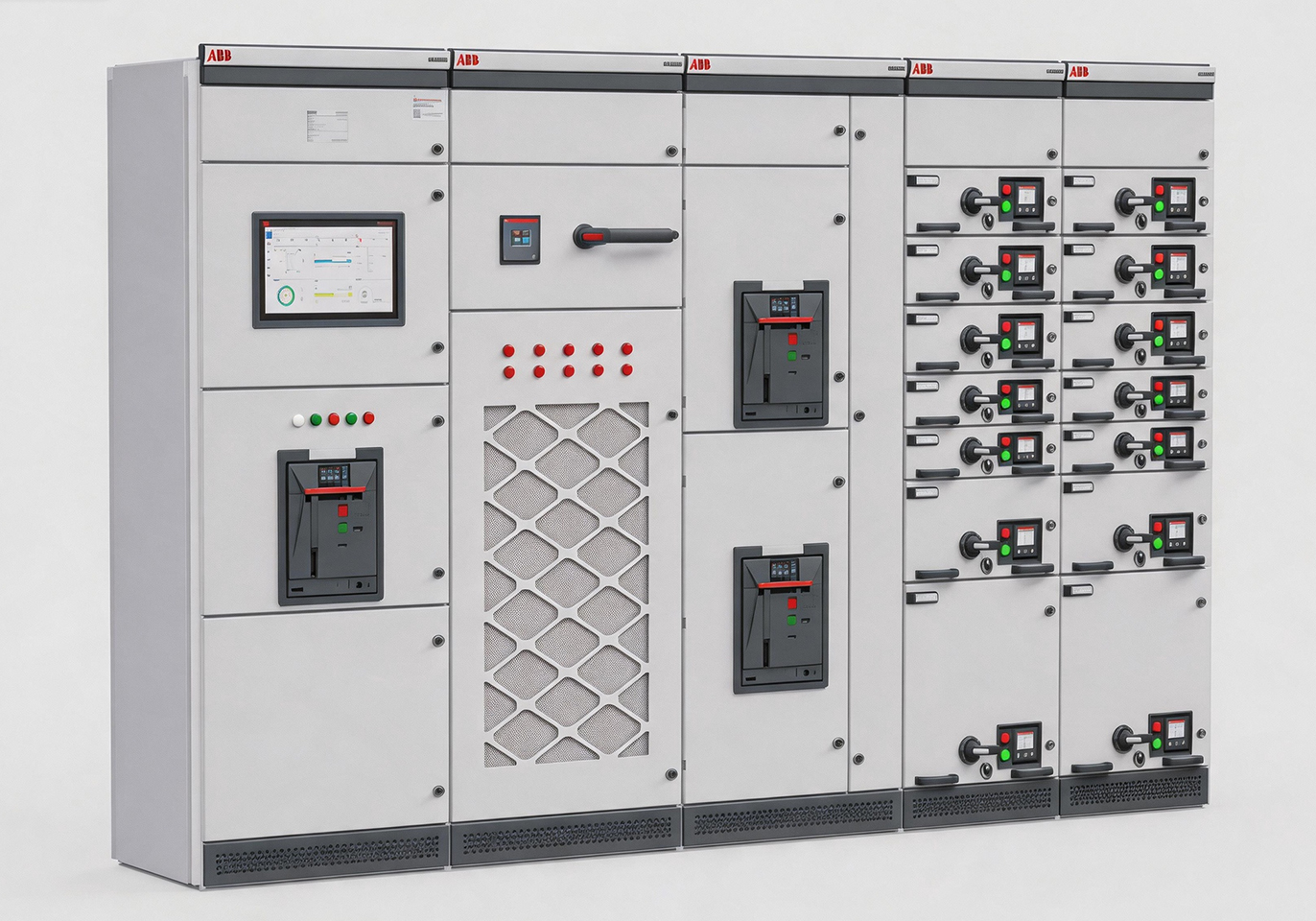
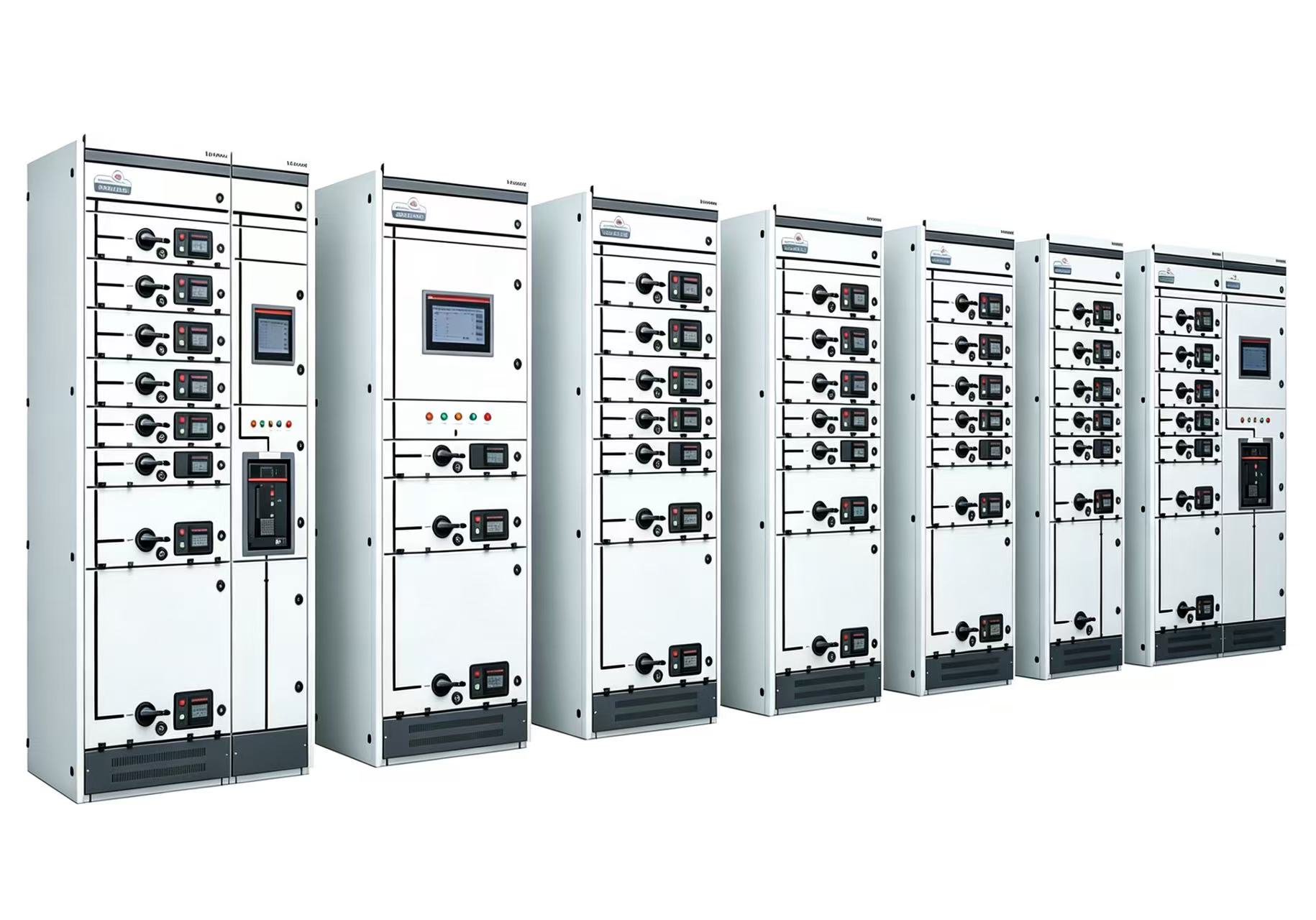
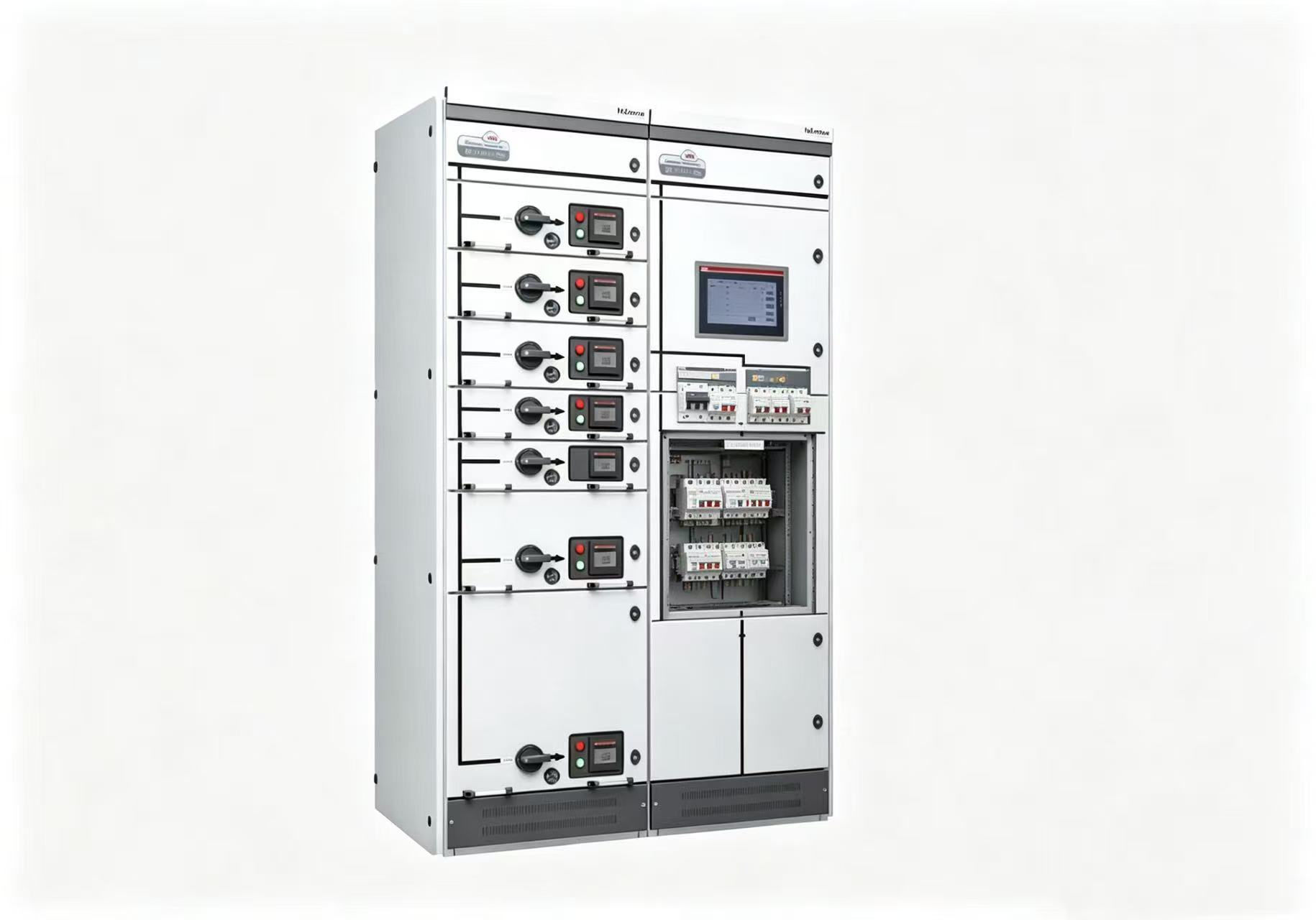
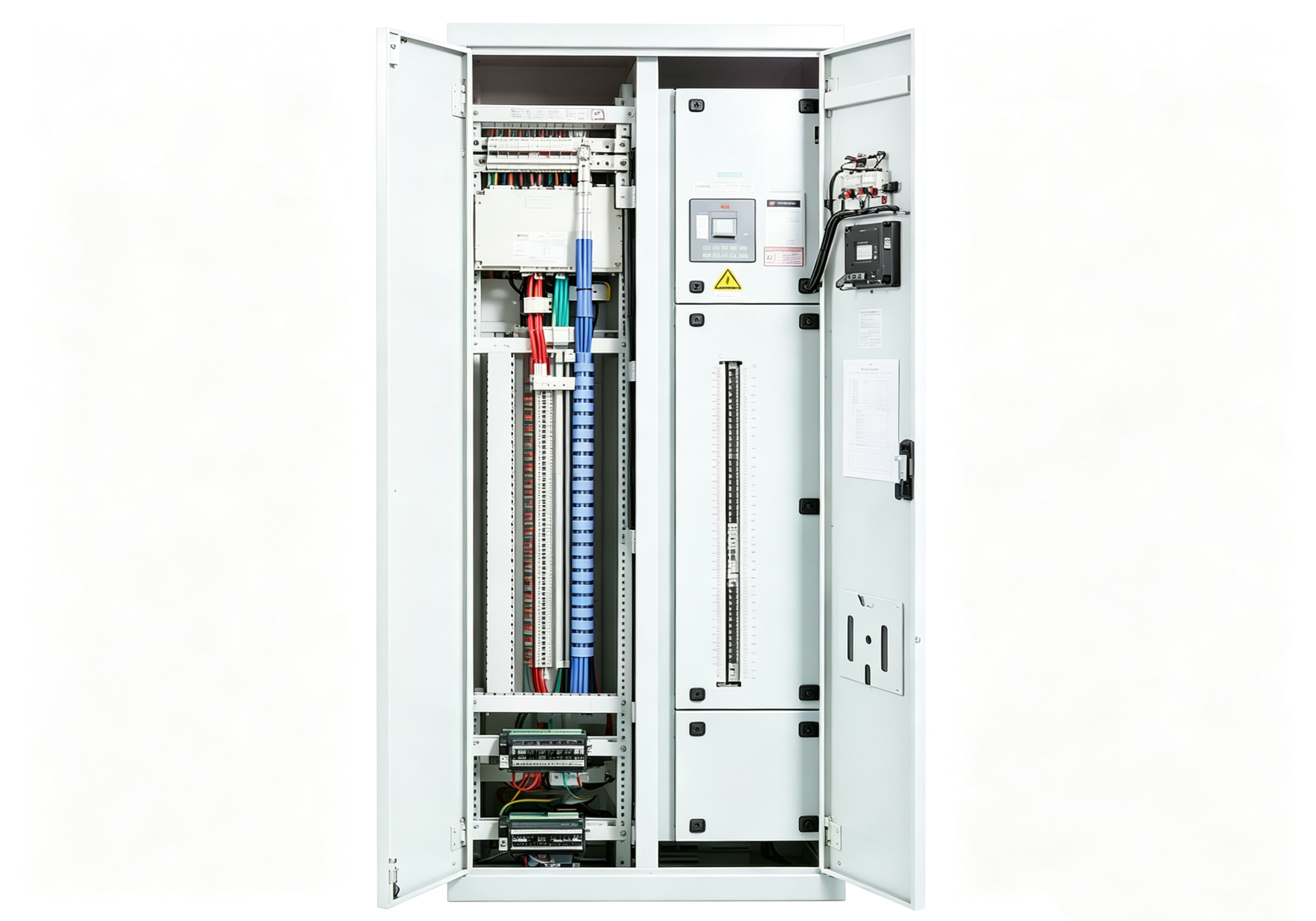
2026-08-21If you walk into a traditional data center, you’ll see rows of UPS units and large battery banks—they keep the servers running when the grid fails. This “AC UPS + battery” solution has dominated the data center industry for decades and is considered a classic. But classic doesn’t mean perfect. Traditional AC UPS systems suffer from a fundamental flaw: from utility power to the server, electricity goes through multiple conversions—AC to DC to AC to DC—and each conversion wastes energy, adding up to 3%‑5% efficiency loss. For a large data center consuming over a hundred million kilowatt‑hours annually, that 3%‑5% translates into millions or even tens of millions of yuan in wasted electricity costs each year. The high‑voltage DC (HVDC) solution eliminates the middle “AC‑to‑DC‑to‑AC” stage entirely, delivering DC power from the distribution system all the way into the server—with only one conversion, efficiency approaching 98%, fewer failure points, and higher reliability. That’s why 240V/336V high‑voltage DC is rapidly becoming the “new species” of power supply for next‑generation data centers. Why 240V and 336V—why not stick with 48V? 48V DC has been the telecom industry standard for decades, perfectly adequate for base stations and access network equipment. But data centers are different—servers are consuming more and more power; a single 2U rack server has grown from a few hundred watts to over a kilowatt, and rack power densities now routinely reach 10kW or even 20kW or more. Delivering such high power at 48V would, by P=UI, require currents so enormous that cables thicker than an arm would be needed, and line losses would skyrocket. That’s why higher voltage is essential: higher voltage means lower current, which means lower cable losses and lower cabling costs. As for why 240V and 336V specifically—rather than any other value—the reason is straightforward: most data centers worldwide are fed by 380V/400V three‑phase AC; after three‑phase rectification, the resulting DC voltage falls right into the 240V and 336V ranges. 240V corresponds to the rectified peak voltage range of single‑phase 220V, while 336V corresponds to the rectified voltage range of three‑phase 380V—this is the shortest path to “smoothly transition” from an existing AC distribution system to DC distribution, requiring no changes to any upstream medium‑voltage equipment. What makes HVDC better than traditional UPS? It offers higher efficiency: traditional UPS systems typically achieve 94%‑96% efficiency (with the best reaching 96.5%), while HVDC eliminates the inverter stage and can reach 97%‑98%—for large data centers, that 1%‑3% efficiency gain translates into massive annual electricity savings. It offers better reliability: traditional UPS has a single point of failure—if the inverter fails, the entire power chain is broken; HVDC adopts a modular parallel design where each rectifier module is independent, so if one fails, the others continue working without interruption—this is true fault tolerance, a step beyond mere redundancy. It offers easier maintenance: HVDC rectifier modules are hot‑swappable—if a module fails, you simply pull it out and plug in a new one, no power outage, no maintenance bypass, no need for specialized electricians, and ordinary operations staff can do it; traditional UPS inverter failures typically require a full system shutdown for repair. It offers smaller footprint: HVDC eliminates the output transformer and complex filtering circuits found in traditional UPS, making the equipment more compact—for the same distribution capacity, HVDC typically occupies 20%‑30% less floor space. And it offers natural affinity with renewables: solar panels generate DC, and storage batteries store DC—if a data center adopts HVDC distribution, solar and storage can be directly connected to the DC bus, eliminating the “DC‑AC‑DC” double conversion, which is a natural advantage for building green, low‑carbon data centers. In choosing between 240V and 336V, it’s not a binary either‑or but rather “which fits better.” 240V systems are typically used in small‑ to medium‑sized data centers, server room retrofits, and some enterprise applications, with the advantage of broad compatibility—most server power supplies on the market support 240V DC input (since many are already “universal voltage” designs that work from 100V to 240V). 336V systems are typically used in ultra‑large data centers and new builds, where higher voltage means lower current for the same power transmission, lower line losses, and suitability for extremely high power density scenarios. However, 336V has a drawback: not all server power supplies support it, so each equipment model must be verified individually during selection. A smart approach is to choose 336V directly for new large data centers because newly procured equipment can be specified with 336V compatibility; for existing facility retrofits, 240V is safer because compatibility with legacy equipment doesn’t require re‑validation. The “productized” delivery of DC modules transforms the power supply system into an “appliance.” Traditional UPS systems require on‑site equipment installation, battery connections, busbar fabrication, control wiring, and system commissioning—each step relying on the skill of site workers, resulting in long schedules and quality variability. DC power modules adopt a “factory‑prefabricated, modular delivery” approach: the entire system (including rectifier modules, monitoring units, distribution units, and battery management) is manufactured, installed, and factory‑tested inside the factory, then shipped as an integrated module. On site, only external cable connections and communication hook‑ups are needed—power on and go. This productized delivery model compresses what used to be a two‑to‑three‑month on‑site schedule down to one or two weeks, and quality is assured not by the skill of on‑site workers but by standardized factory production lines and outgoing inspection procedures. In installation and operation, several DC‑specific issues demand attention: polarity must never be reversed—AC has no positive or negative (only phases), but DC has distinct positive and negative terminals; reversing them will instantly destroy the equipment’s power supply module, and such damage is not covered by warranty; clear, permanent polarity markings must be applied at both ends of every cable, and a designated person must perform polarity verification. DC arcs are harder to extinguish than AC arcs—AC current has two zero‑crossings per cycle where arcs naturally extinguish, while DC has no zero‑crossing, so once an arc forms, it continues until the gap is large enough or current is interrupted; thus, DC distribution must use DC‑rated circuit breakers and fuses—never mix with AC‑rated devices; when hot‑swapping rectifier modules, the operation must be quick and decisive—hesitation actually prolongs the arc duration. Battery bank management is a technical challenge—HVDC backup batteries are typically connected in series strings with many cells and high voltage; cell inconsistency grows over time, and if one cell degrades, the entire string’s capacity is affected, so the BMS balancing function is critical; during routine inspections, beyond checking system voltage and current, it’s advisable to periodically measure each cell’s terminal voltage to identify lagging cells early and replace them. Insulation monitoring is a lifeline—HVDC systems are ungrounded (IT systems); a single‑pole ground fault won’t immediately trip the breaker, but if the second pole also develops a ground fault, a short circuit occurs; HVDC systems must therefore be equipped with insulation monitoring devices that continuously measure the insulation resistance of both positive and negative poles to ground; when insulation resistance drops below the set threshold, the system should trigger an alarm for maintenance crews to locate the fault. Is HVDC right for everyone? Honestly, no. While HVDC offers clear advantages in large data centers, it’s not a universal cure‑all. For ordinary office buildings, shopping malls, or residential properties, the equipment mix is diverse and much of it is inherently AC‑powered; forcing DC distribution would create compatibility issues and higher retrofit costs. HVDC is best suited for “new, large, IT‑load‑dense facilities”—especially ultra‑large data centers where energy efficiency (PUE) is a core KPI. In these scenarios, the efficiency gains, space savings, and reliability improvements far outweigh the technical complexity and management overhead.