
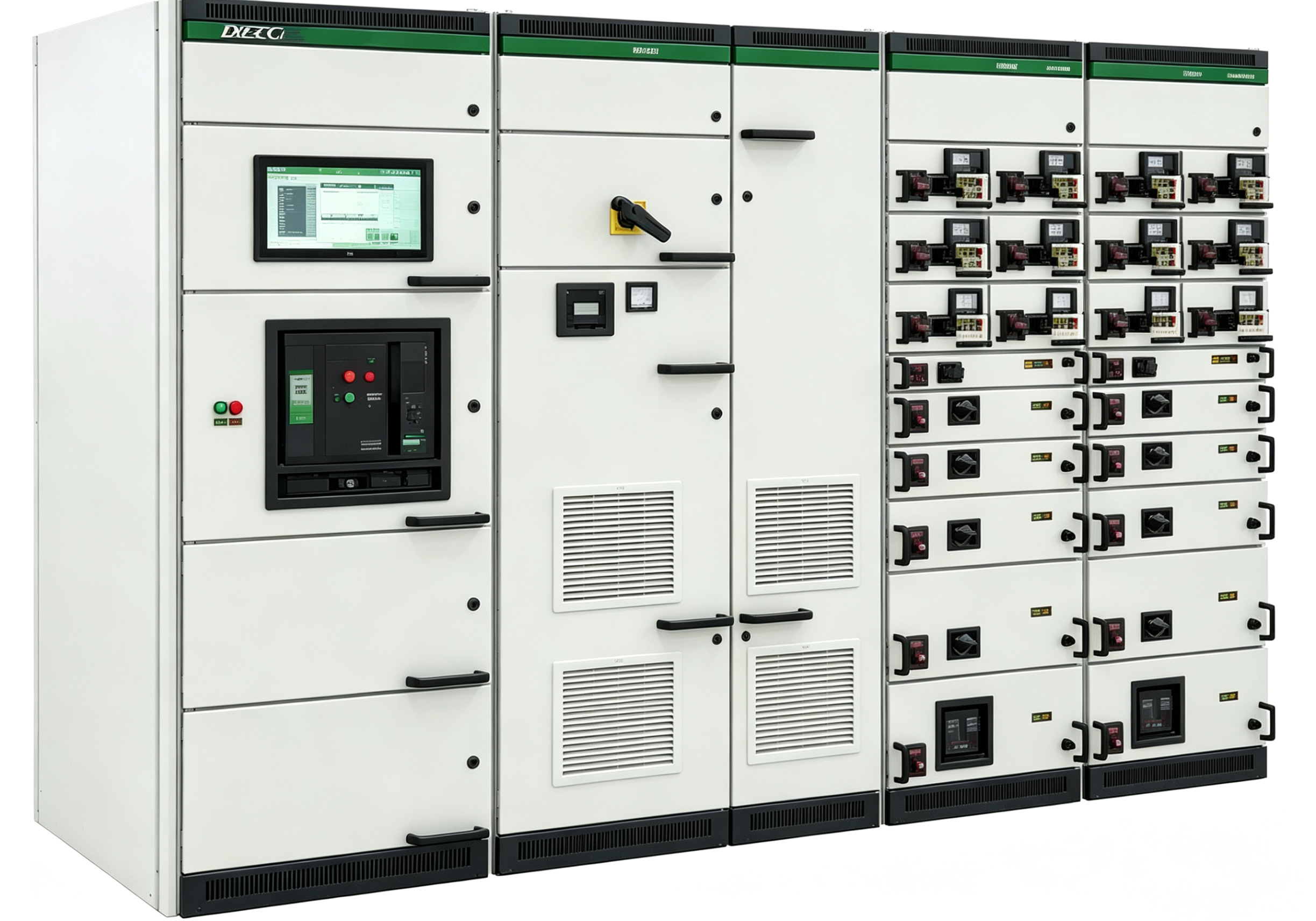
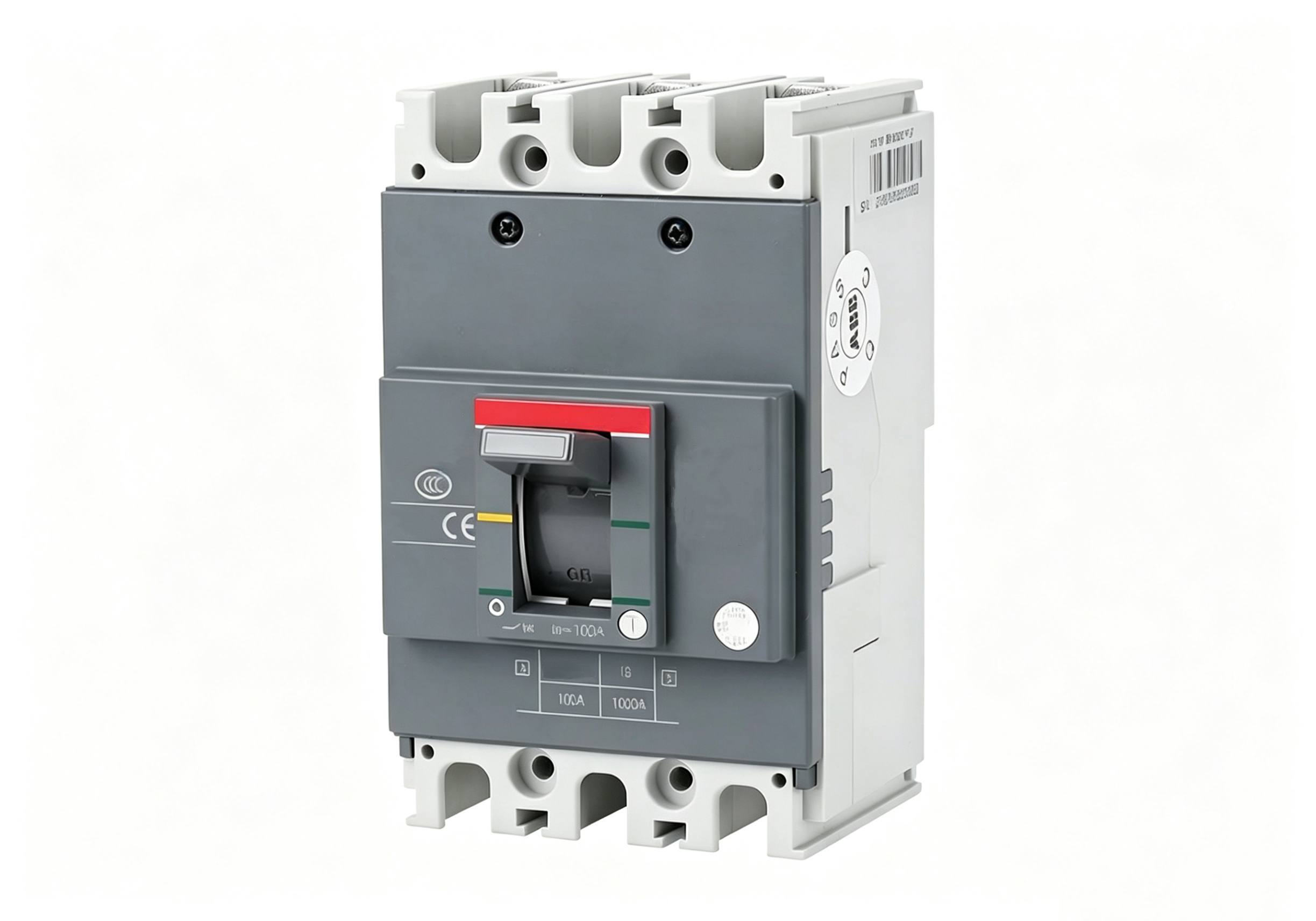
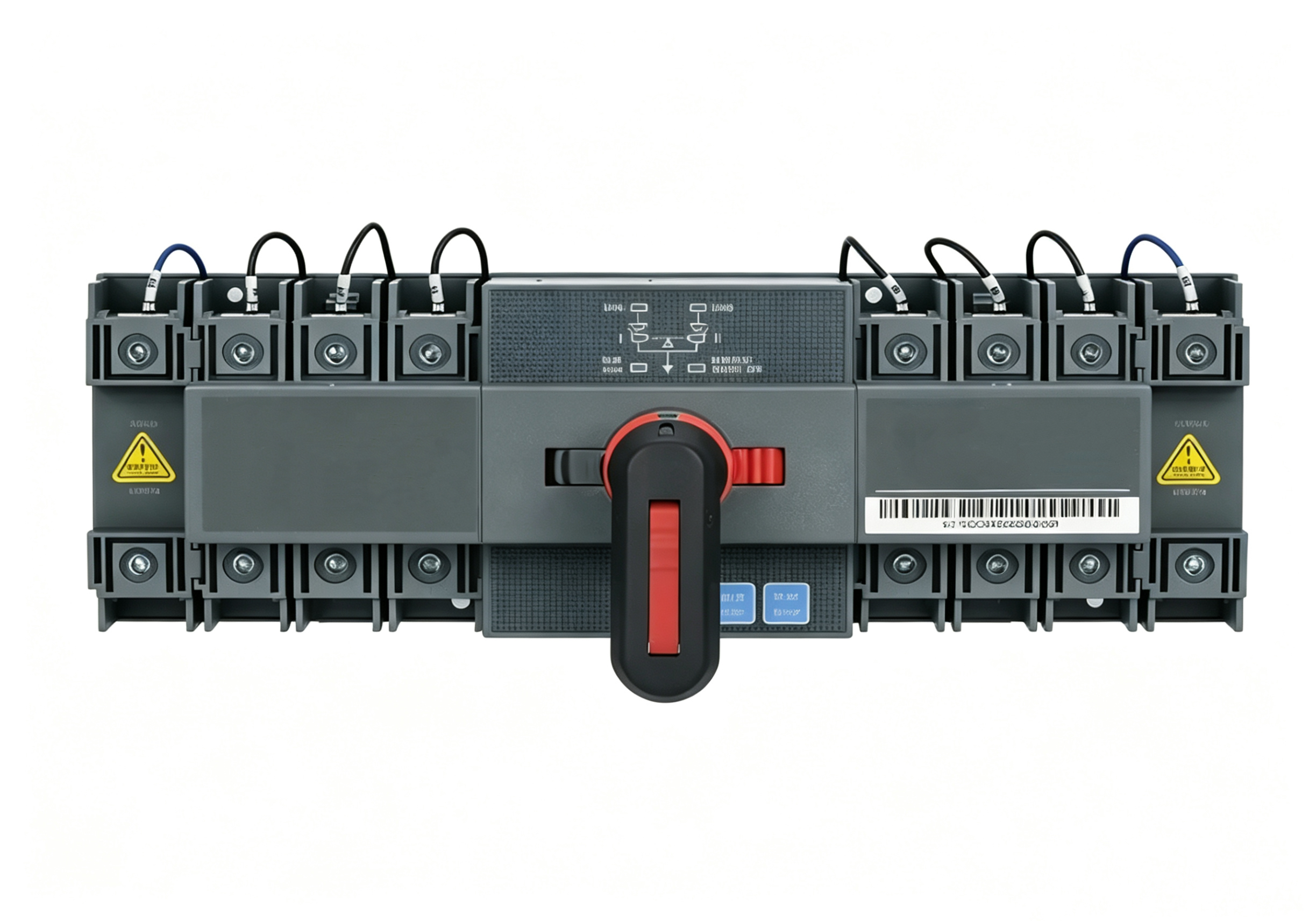

If you’ve ever managed a large distribution system, you’ve probably encountered this scenario: a cable short circuit occurs on a piece of equipment in the workshop, but the breaker that trips is not the one right next to that equipment — it’s the main incoming breaker in the electrical room, blacking out the entire workshop or even the whole plant. Maintenance personnel rush to the site and find the fault was actually quite small, just a minor circuit issue, yet the outage scope was absurdly large. This is “nuisance tripping” — one of the most common and frustrating problems in power distribution systems. Behind it lies a failure of “selective protection.” The core idea of selective protection is simple: when a fault occurs, only the breaker closest to the fault should trip, while upstream breakers remain closed, confining the outage to the smallest possible area.Think of a fire in a building — if a room catches fire, the sprinkler in that room should activate, not the entire building’s fire pumps. A distribution system with good selective protection can limit an outage to a single circuit or a single piece of equipment; a system with poor selective protection can cause a plant‑wide blackout from a minor fault. The importance of selective protection is reflected in three aspects: reducing outage scope, allowing non‑faulted areas to continue normal operation; shortening outage duration, because only one circuit needs troubleshooting and restoration rather than the entire system; and improving supply reliability, preventing minor faults from causing major blackouts — critical for data centers, hospitals, and continuous production lines. There are two basic methods for achieving selective protection: time selectivity and current selectivity. Time selectivity is the classic and most reliable method. Its principle: the upstream breaker operates one step slower than the downstream breaker. For example, the end‑circuit breaker trips instantaneously on short circuit (0 seconds), while the next upstream breaker is set with a short time delay of 0.1‑0.2 seconds, and the one above that with 0.3‑0.4 seconds. Thus, when a downstream fault occurs, the downstream breaker trips first, and before the upstream breaker can operate, the fault has already been cleared. The advantage of time selectivity is high reliability and simple coordination; the disadvantage is that upstream breakers require time delays, meaning they clear faults slightly slower, demanding higher short‑circuit withstand capability from equipment. Current selectivity uses the difference in operating currents between upstream and downstream breakers. The upstream breaker’s instantaneous setting is set much higher than the downstream’s, so when a downstream fault occurs, the fault current also flows through the upstream breaker but does not reach its operating threshold, so it doesn’t trip. The advantage of current selectivity is fast operation (no time delay needed); the disadvantage is that it only works where short‑circuit current differences are large, and the settings must be sufficiently separated or selectivity fails. In practice, time and current selectivity are often combined — current selectivity where current differences are sufficient, supplemented by time selectivity where they are not. To achieve selective coordination between upstream and downstream breakers, the key is ensuring sufficient “grading” — time grading and current grading. Time grading is the operating time difference between upstream and downstream breakers, typically required to be no less than 0.1‑0.2 seconds. This is because a breaker needs time from fault detection to full contact opening (inherent operating time), and if the time difference is too small, the upstream breaker may start operating before the downstream breaker clears the fault, causing nuisance tripping. Current grading requires sufficient difference between instantaneous settings, typically at least 1.5‑2 times. If settings are too close, both breakers may reach their operating thresholds simultaneously during a downstream fault, causing nuisance tripping. A typical three‑level coordination example: end‑circuit breaker (16A‑63A, instantaneous) → distribution panel breaker (100A‑250A, short delay 0.1‑0.2s) → main incoming breaker (400A‑1600A, short delay 0.3‑0.4s). When an end‑circuit short circuit occurs, the end breaker trips within tens of milliseconds, while the distribution and main breakers remain unmoved — the outage is limited to that single end circuit. The most common errors — four causes of nuisance tripping. First, no time grading between upstream and downstream breakers. Many users select breakers based only on rated current, ignoring trip unit time characteristics. If both use instantaneous trip units, or the upstream short delay is set too short, nuisance tripping occurs. The correct approach: upstream breakers should use electronic trip units with adjustable short delay, while downstream use instantaneous or shorter‑delay trip units. Second, settings too close. If the upstream setting is 1000A and downstream is 900A, a fault current of 950A may operate both, and selectivity cannot be guaranteed. Settings must be sufficiently separated. Third, insufficient downstream breaking capacity. If the downstream breaker’s ultimate breaking capacity (Icu) is lower than the actual short‑circuit current, it may fail to clear the fault, which persists until the upstream breaker operates. This looks like nuisance tripping but is actually downstream breaker incapacity. Fourth, protection devices not properly connected. If the downstream breaker’s auxiliary contacts are not correctly wired into the upstream interlocking circuit, or signal transmission is faulty, the upstream breaker may “think” the downstream hasn’t operated and trip first. When selecting breakers and protection devices for selective protection, focus on these parameters: trip unit type — electronic trip units (such as Micrologic or PRI on ACBs) typically have adjustable short delay and settings, forming the basis for time selectivity; thermal‑magnetic trip units (common on MCCBs) usually have only instantaneous and long delay, suitable for end protection but not for upstream protection requiring delays. Time‑current characteristic curves — each breaker has its own trip curve, and upstream and downstream curves must not overlap; the upstream curve must completely “enclose” the downstream curve to ensure selectivity. Short delay time range — the upstream breaker’s short delay must be adjustable, with a range covering the downstream breaker’s operating time plus safety margin. Breaking capacity (Icu/Ics) — all breakers must have sufficient short‑circuit breaking capacity, otherwise selective protection is meaningless — if the downstream breaker cannot break, the upstream must operate. A practical design recommendation: when designing a distribution system, ask the breaker manufacturer to provide a “selective coordination table” or “grading verification report.” Many major brands offer dedicated software (such as ABB’s DOC or Schneider’s EcoStruxure Power Design) that simulates upstream‑downstream breaker coordination and automatically determines whether selectivity is satisfied. Spending half an hour on coordination verification during design is far more cost‑effective than spending half a day troubleshooting nuisance tripping during operation. Selective protection is not a “nice‑to‑have” feature — it is a fundamental requirement of distribution system design. It turns the cost of a fault from “plant‑wide blackout” into “one circuit trip,” and the outage duration from “hours” into “minutes.” With good selective protection, a distribution system can truly achieve “controllable faults, limited outages, and reliable supply.”