
NewsNEWCENTER
Featured products

Contact Us
Temperature Rise and Heat Dissipation Design in Switchgear — From Heat Sources to Ventilation Solutions
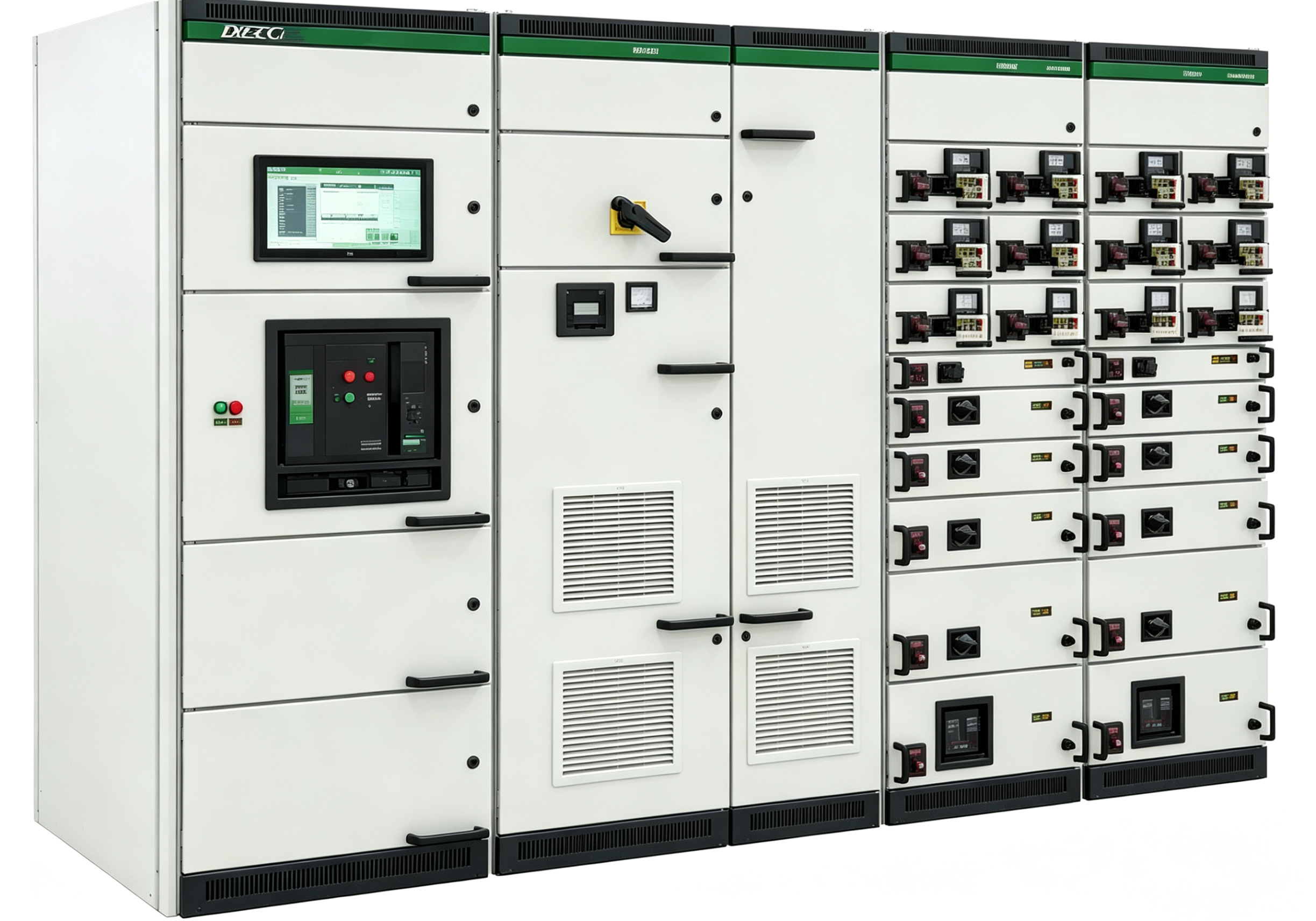
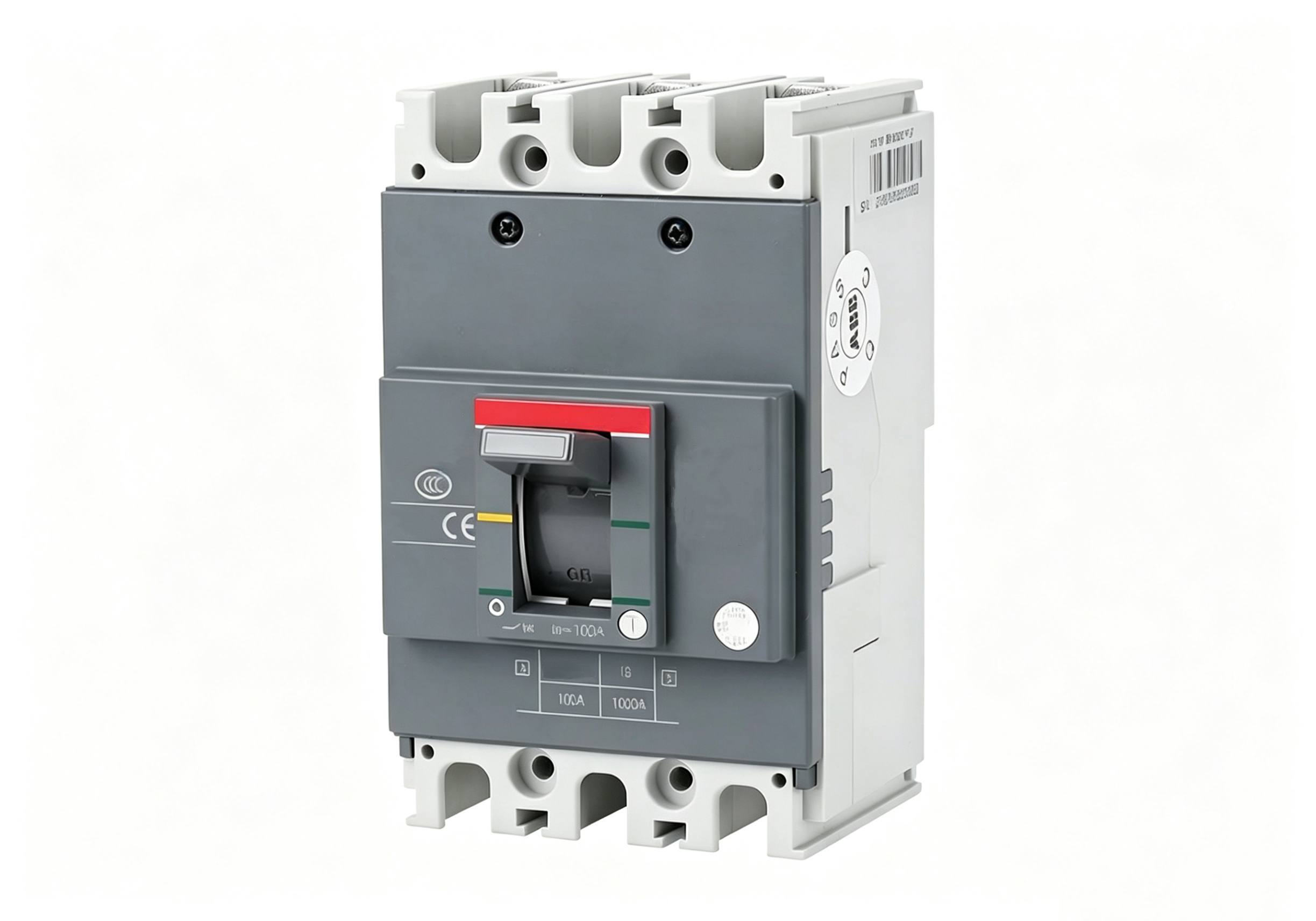
2026-10-02The temperature inside a switchgear cabinet is an invisible timer for equipment life. Every 10°C rise in internal temperature roughly halves electronic component life; nuisance tripping of breaker thermal elements, accelerated insulation aging, and increased contact resistance all trace back to excessive temperature rise. The essence of temperature rise control is balancing heat generation and heat dissipation. Where are the heat sources? Circuit breaker contacts (about 5‑15W per pole), busbar joints (contact resistance heating), contactor coils and contacts, VFDs and soft starters (major heat producers), transformers, reactors, and instrument power supplies. Add these up, and a fully loaded MCC cabinet may generate several hundred to over a thousand watts internally. What are the temperature rise limits? IEC 61439 specifies: at 40°C ambient, busbar temperature rise ≤70K (busbar temperature ≤110°C), connection terminals ≤80K (≤120°C), accessible enclosure surfaces ≤30K (≤70°C), and operating parts such as handles ≤15K (≤55°C). Beyond these values, insulation aging accelerates and equipment life plummets. How to choose a cooling method? Natural ventilation (louvres top and bottom, using hot air rising) suits indoor cabinets with low heat generation and low protection requirements; forced fan cooling suits medium heat generation with some protection, but fans have finite life and draw dust into the cabinet; air conditioning or heat exchangers suit high protection ratings (IP54 and above) and high heat generation — heat exchangers isolate inside from outside, not introducing external dust, but are less efficient than air conditioning; air conditioning offers the best cooling but is costly and has condensate issues. Design points: place heat‑generating components near the top of the cabinet to use natural convection; air inlets at the bottom, outlets at the top, avoiding short‑circuit airflow; VFDs and soft starters preferably in separate cabinets or near outlets; busbars vertical where possible for better convection; do not block ventilation openings or store items inside. Inspection points: use an infrared thermometer to regularly scan busbar joints, breaker terminals, and VFD heat sinks — a temperature difference exceeding 15°C indicates an abnormality.