
NewsNEWCENTER
Featured products

Contact Us
Empowering a “Five-Star” Cloud Data Center – Zhongtongfu Energy Saving Successfully Completes the Power Distribution Expansion Project at Tianmu Lake International Data Center
2026-05-29In today’s surging digital economy, data centers serve as the core infrastructure for computing power. The reliability, safety, and scalability of their power supply and distribution systems directly determine the continuity of cloud services and user experience. Recently, news came from Liyang, Jiangsu Province: the 10/0.4kV power distribution expansion project of China Telecom Liyang Branch (Tianmu Lake International Data Center), for which Zhongtongfu Energy Saving Technology Service Co., Ltd. fully undertook the supply of low-voltage power distribution equipment, has successfully passed completion acceptance and entered stable operation. In this project, Zhongtongfu Energy Saving supplied over 200 MNS low-voltage distribution cabinets, injecting a robust and reliable “power heart” into this county-level five-star cloud data center – the only one of its kind in the province – with excellent quality and professional delivery capabilities.
Tianmu Lake International Data Center is located in Liyang City, Jiangsu Province, and serves as an important cloud resource node of China Telecom Group in the Yangtze River Delta region. The total investment in the project exceeds RMB 500 million. It primarily provides cloud host services, offering customers customizable computing, storage, and network resources as well as related cloud services through virtualization. The park is equipped with over 2,000 racks, capable of accommodating approximately 25,000 servers. It is the largest cloud computing resource provider in Changzhou and the only county-level five-star cloud data center in Jiangsu Province.
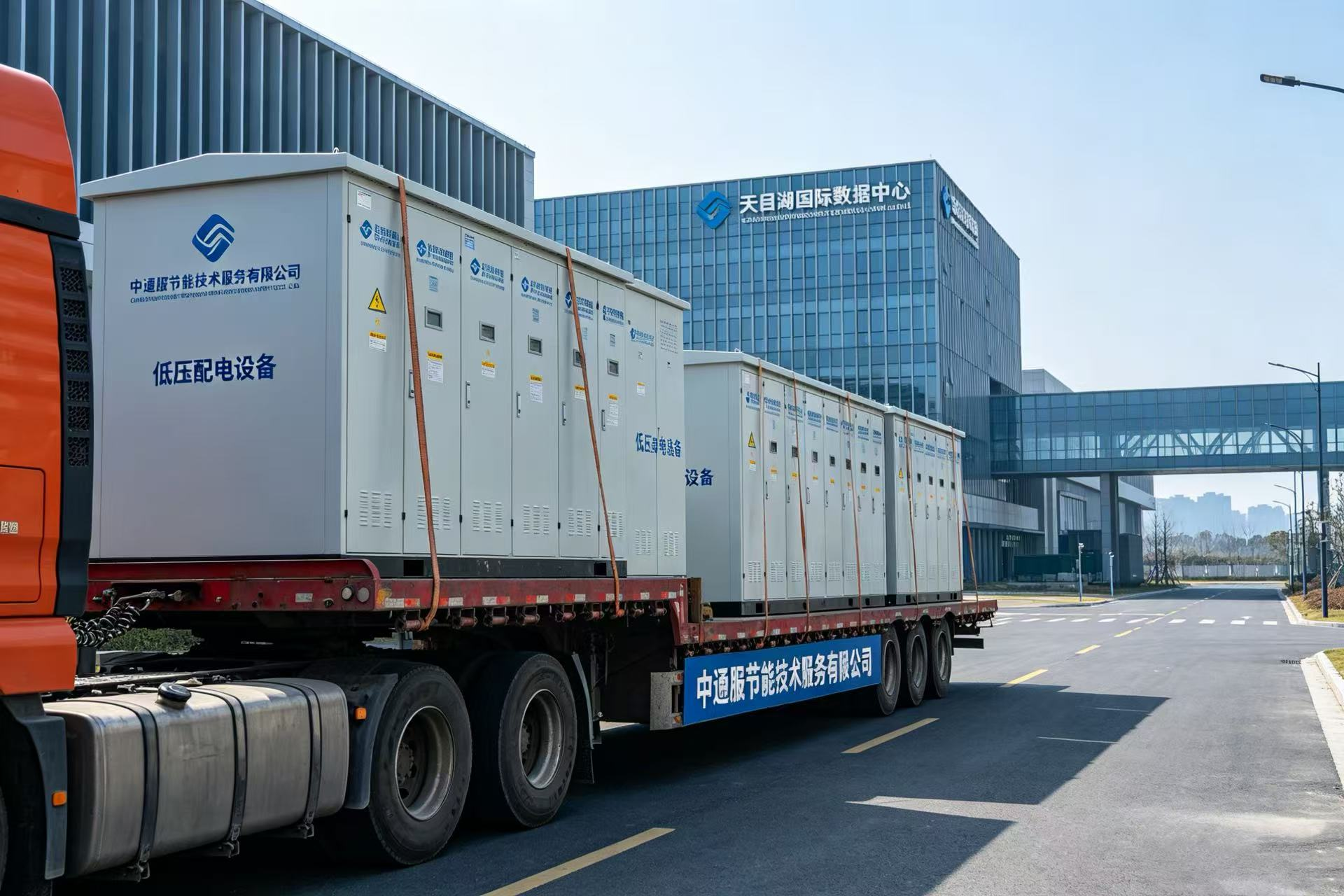
With the explosive growth of enterprise cloud adoption, government cloud services, and AI computing power demands, the power load pressure on Tianmu Lake International Data Center has been rising year by year. The original power distribution system could no longer meet the business expansion needs for the next three to five years in terms of capacity, redundancy, and intelligent management. To address this, China Telecom Liyang Branch launched the 10/0.4kV power distribution expansion project to comprehensively upgrade and renovate the low-voltage power distribution systems of the center’s first to fifth floor equipment buildings.
The expansion project had three core requirements: first, capacity expansion to meet the high-density power demands of new racks and servers; second, reliability to ensure seamless switchover in the event of a single power supply failure, guaranteeing uninterrupted cloud services; third, intelligence to enable power monitoring and remote management for every rack and every circuit, providing data support for refined energy-saving operations. Zhongtongfu Energy Saving, which undertook the supply of low-voltage distribution equipment, stood out among multiple bidders precisely due to its profound experience in power distribution manufacturing and its extensive track record in data center projects.
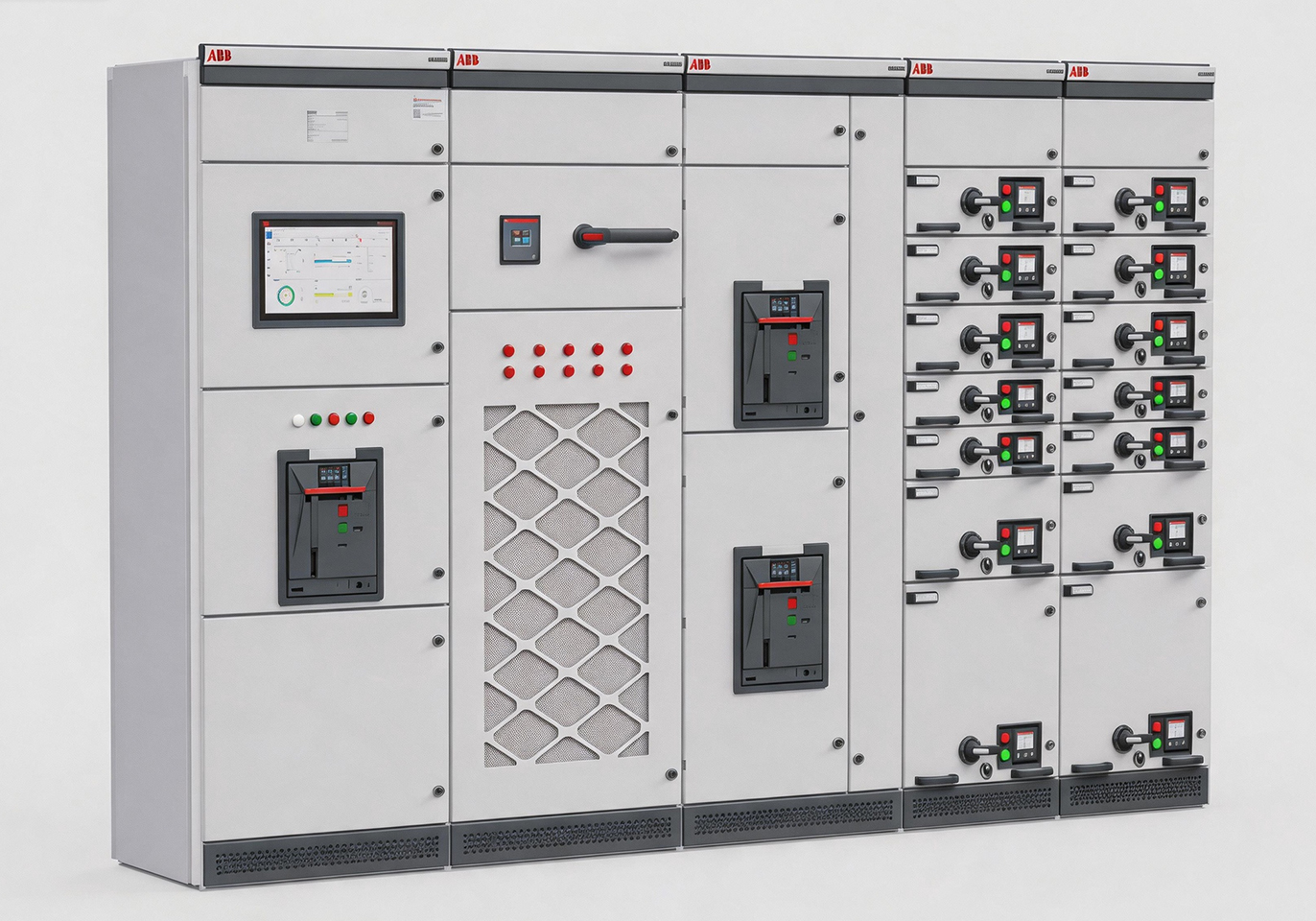
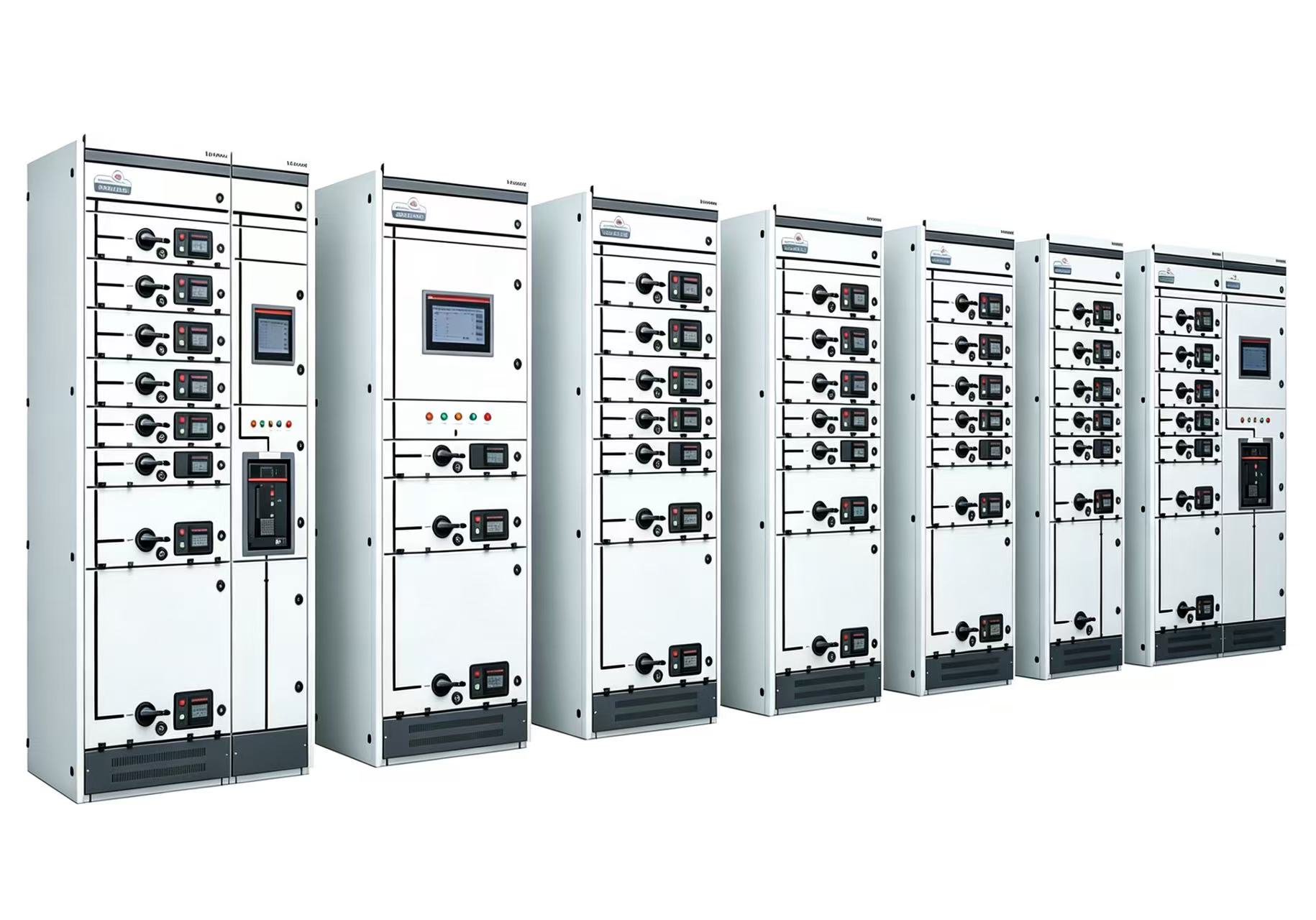
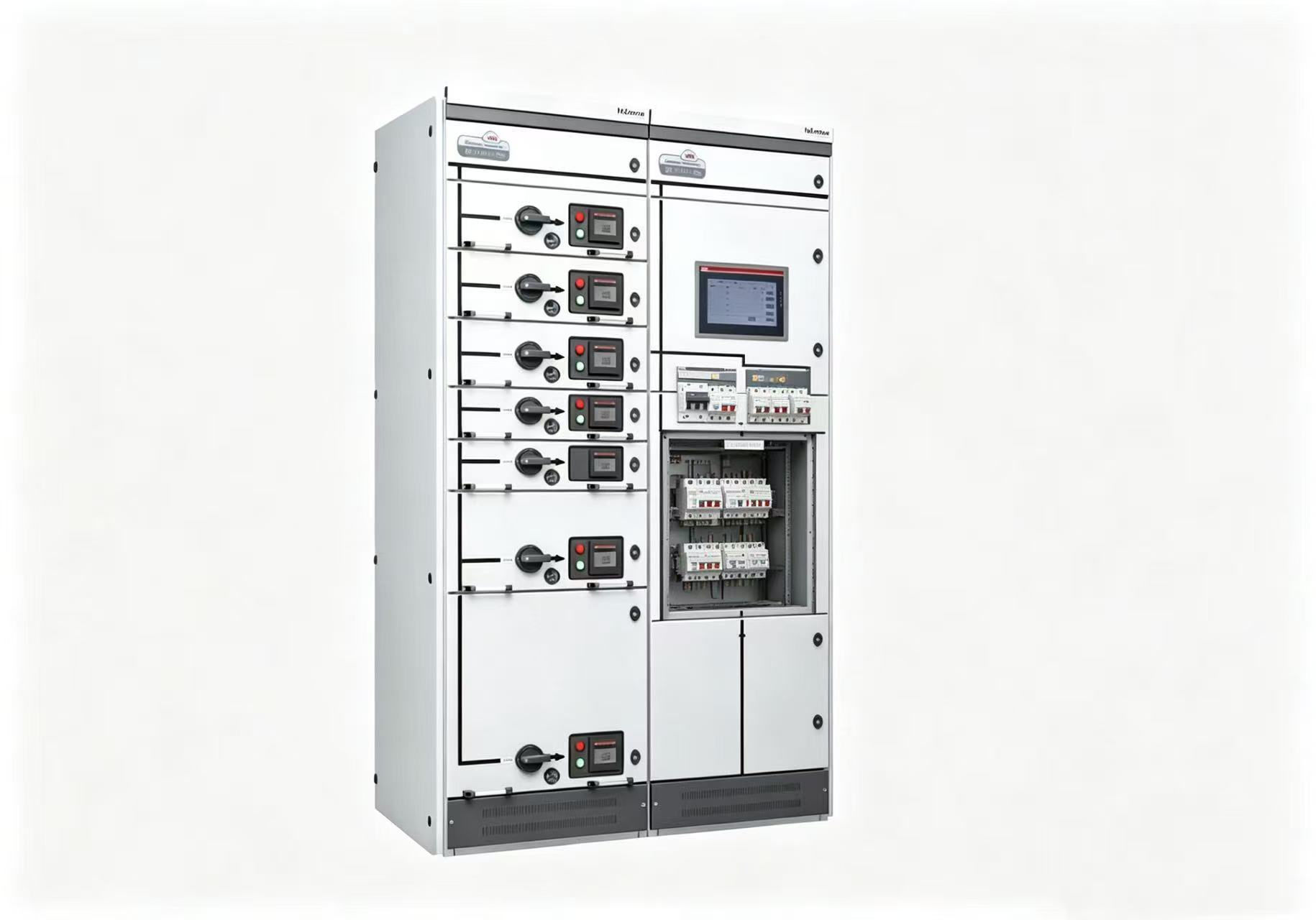
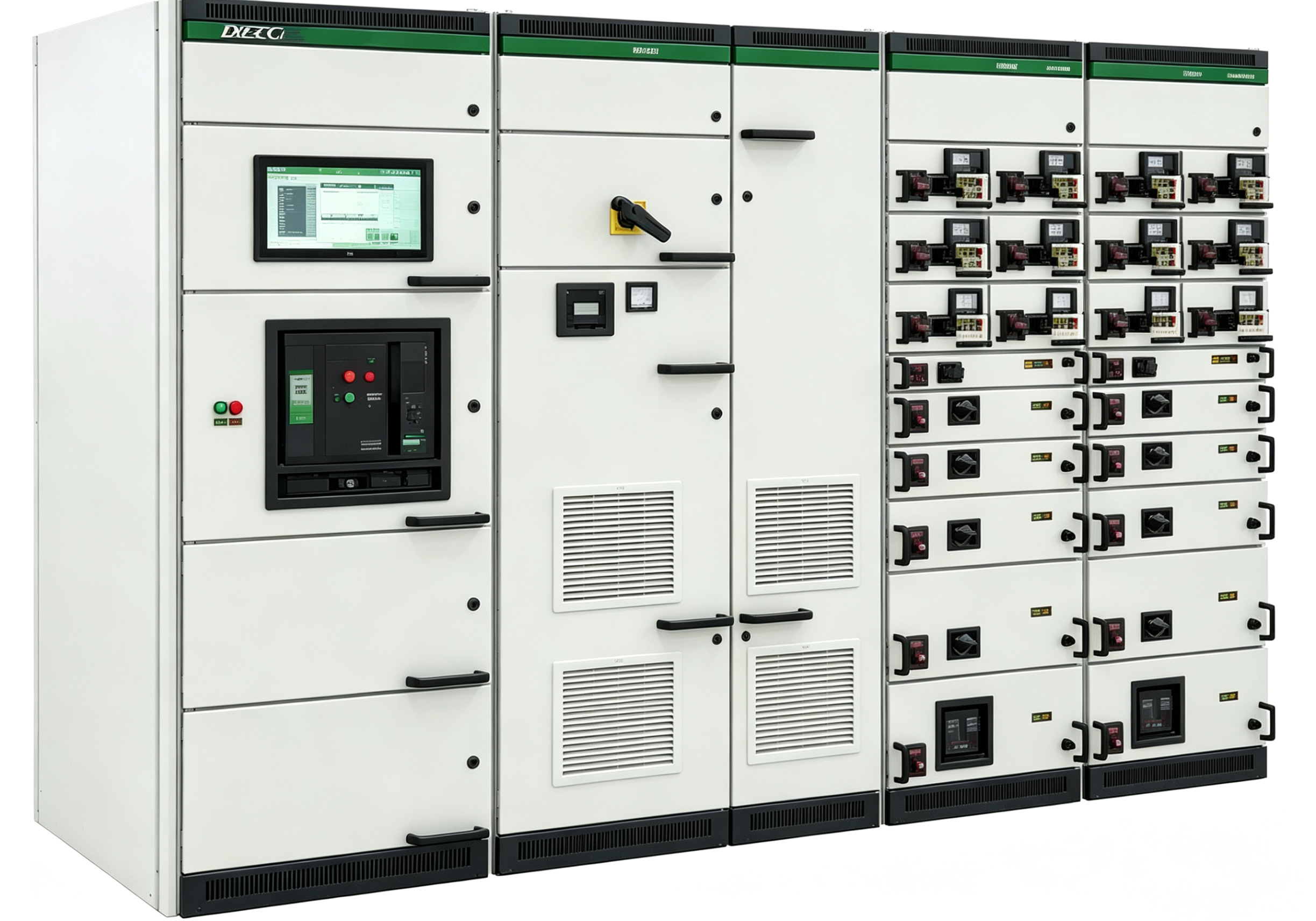
The main product used in this project – the MNS low-voltage draw-out switchgear – is a flagship product in Zhongtongfu Energy Saving’s power distribution product line. The MNS cabinet design originates from ABB licensed technology and features compact structure, modular combination, high reliability, and high safety. It is especially suitable for data center scenarios that demand extremely high power supply continuity.
First, in terms of electrical performance. The MNS low-voltage distribution cabinets supplied by Zhongtongfu Energy Saving have main busbars rated from 630A to 6300A, with feeder circuits capable of handling up to 630A – fully meeting the single-circuit power supply requirements of high-density racks in data centers. The cabinet enclosures are made of galvanized steel, formed by bending, with a fully assembled structure that offers high strength and strong oxidation resistance, maintaining excellent insulation performance even in Liyang’s relatively humid environment.
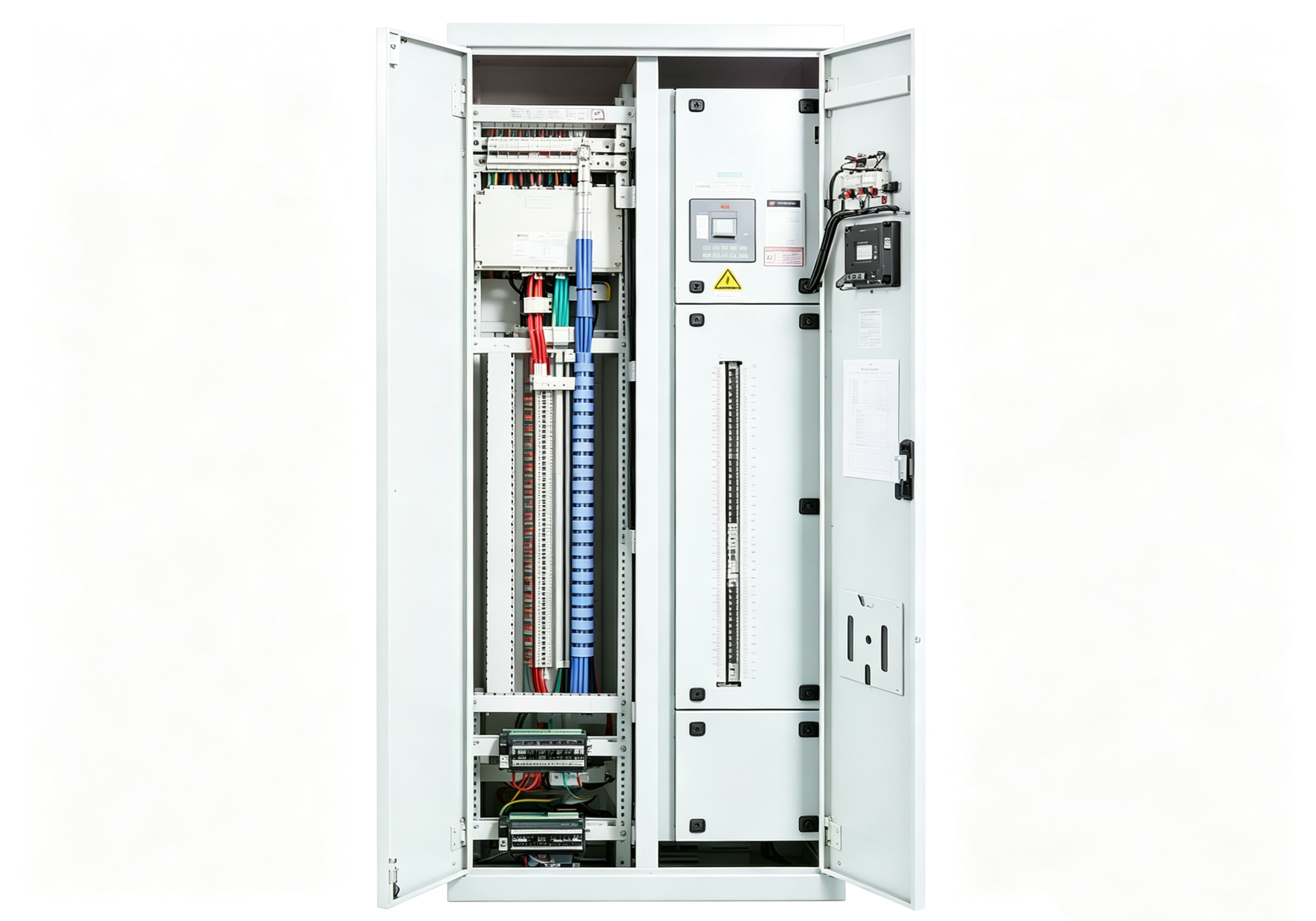
Second, in terms of safety and redundancy design. Each MNS cabinet adopts a compartmentalized design that separates the main busbar compartment, apparatus compartment, and cable compartment. Even if an arc fault occurs in one circuit, it will not spread to adjacent circuits or other functional units. Additionally, the cabinets come standard with three-position draw-out drawers offering “Service”, “Test”, and “Isolated” positions, allowing maintenance personnel to inspect or replace a single drawer unit without de-energizing the main busbar – greatly enhancing the availability of the data center’s power distribution system.
Third, in terms of intelligent management. All MNS low-voltage distribution cabinets in this project are equipped with intelligent power monitoring modules, connected via RS485 bus to the data center’s dynamic environment monitoring system. From the central control room, maintenance personnel can view real-time voltage, current, active power, power factor, and accumulated energy values for each rack. In the event of abnormalities such as overload, phase loss, or three-phase imbalance, the system automatically triggers an alarm and locates the faulty circuit. This intelligent power distribution management solution provides a reliable data foundation for the subsequent implementation of refined energy-saving strategies and load optimization at Tianmu Lake International Data Center.
Data centers are special scenarios where large-scale power outages are not permitted. Tianmu Lake International Data Center hosts cloud services for numerous government, enterprise, and individual customers. Any prolonged power outage would cause significant economic losses and reputational damage. Therefore, the expansion project had to be implemented in phases without affecting the operation of existing services.
Before equipment delivery, the Zhongtongfu Energy Saving project team conducted multiple technical coordination meetings with China Telecom Liyang Branch, the design institute, and the on-site construction party. They formulated a delivery plan of “batch production, on-demand arrival, and fitting into gaps”. The more than 200 MNS low-voltage distribution cabinets were divided into four batches, each corresponding to the power distribution renovation area of one floor. During the renovation of each floor, the original power distribution system carried the full load. After the new cabinets arrived, on-site work including removal of old cabinets, installation of new cabinets, and primary and secondary wiring was carried out during nighttime low-business periods. Loads were then gradually transferred to the new cabinets via a temporary power supply scheme. Throughout the entire process, the data center’s operations experienced no interruption incidents.
Winning a benchmark project like Tianmu Lake International Data Center and completing the large-scale supply of more than 200 MNS low-voltage distribution cabinets in one go is no small feat.
This successful experience will also directly benefit Zhongtongfu Energy Saving’s strategic partner – Zhonghuirunchi As an enterprise focused on the export of low-voltage power distribution products, Zhonghuirunchi deeply relies on Zhongtongfu Energy Saving’s manufacturing system and technical accumulation. It will adapt and optimize the proven MNS cabinet models and intelligent power distribution solutions from the Tianmu Lake project for overseas markets such as Southeast Asia and the Middle East. Data center power distribution scenarios are also in high demand in countries along the Belt and Road. Zhonghuirunchi can leverage the success case of the Tianmu Lake project to demonstrate to international customers the powerful combination of “Zhongtongfu Energy Saving manufacturing + Zhonghuirunchi export services”.