
NewsNEWCENTER
Featured products

Contact Us
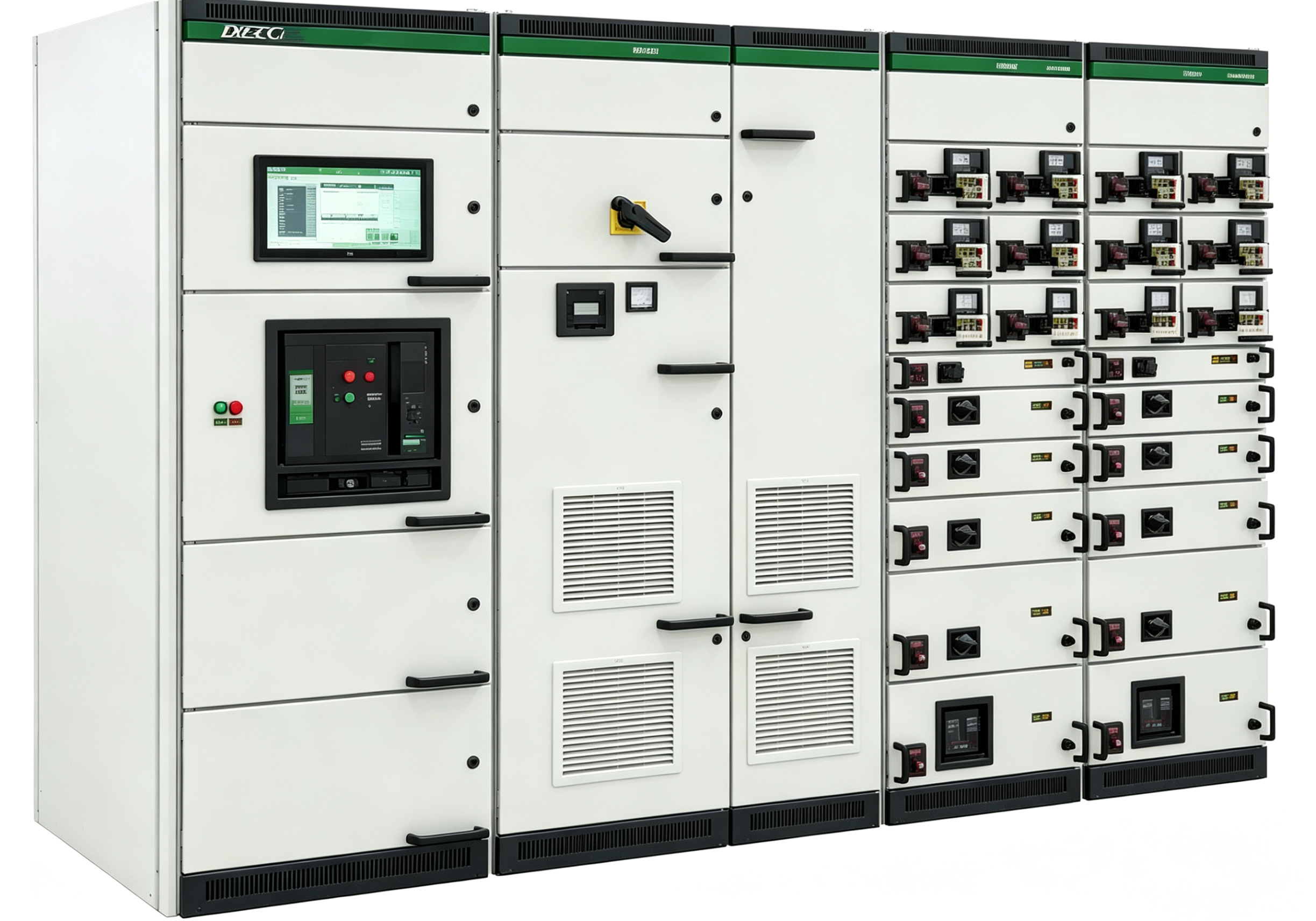
Predictive Maintenance: Turning LV Switchgear into a Data Asset
2026-07-21While much of the industry still debates whether “smart switchgear” is a real trend, top-tier data center and industrial operators have moved on. Their focus is no longer on building the electrical room but on managing it for 20 years—with zero unplanned outages. Predictive maintenance is rewriting the value proposition of LV panels.
The Limits of Time-Based and Reactive Maintenance
Scheduled torque checks and cleaning cycles are calendar-driven, not condition-driven. They consume labor, introduce human error, and often disturb healthy connections. Conversely, run-to-failure on a critical incomer can cost more in downtime per hour than the panel itself. Both approaches leave reliability gaps.
The Sensor Layer: Capturing What Matters
Predictive maintenance begins with sensors embedded at key failure points:
-
Joint temperature: Wireless SAW or RFID sensors on busbar and breaker terminations detect abnormal contact resistance long before an infrared scan would catch it.
-
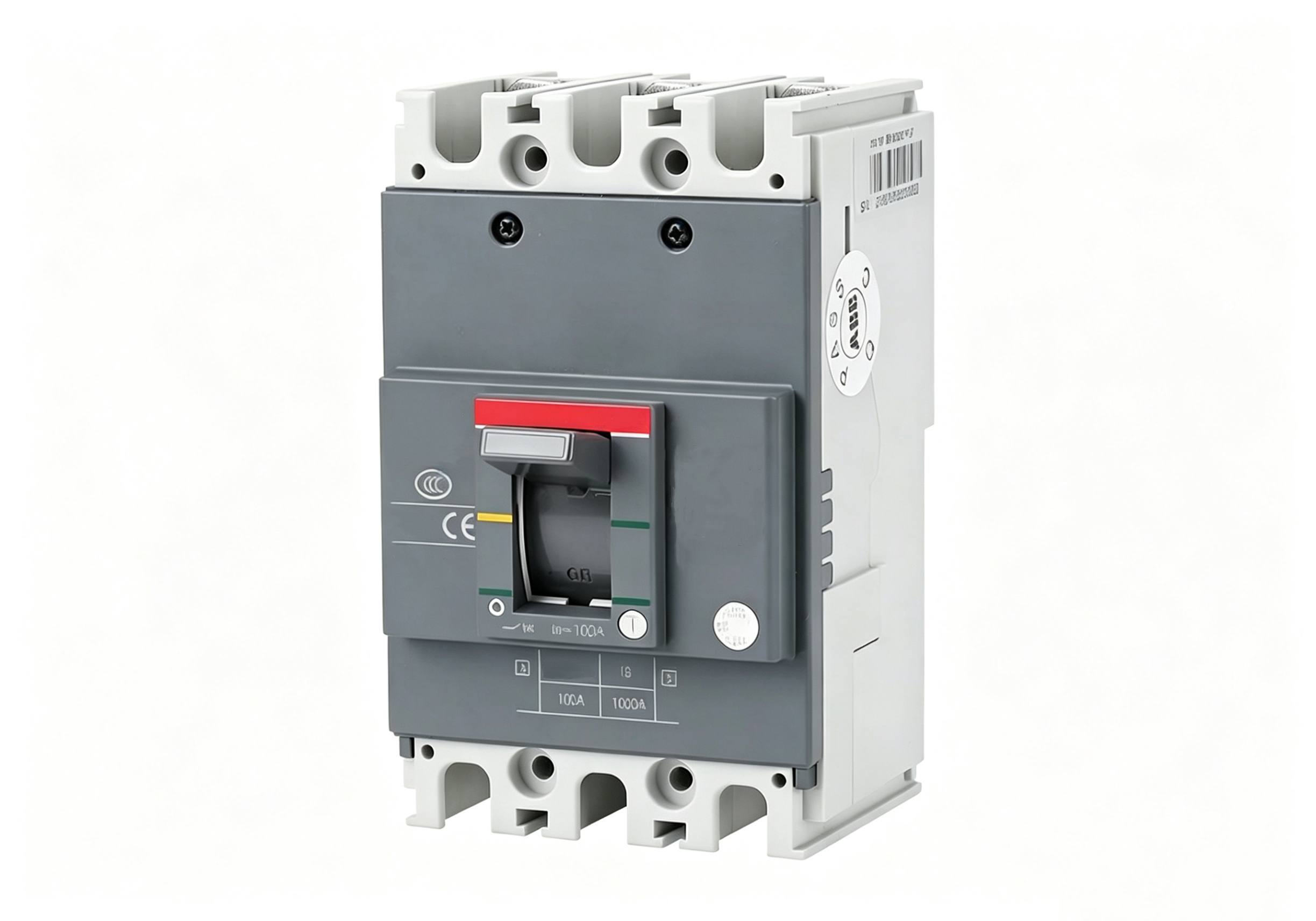
Breaker mechanism health: Waveform analysis of trip and close coil currents reveals spring fatigue, lubrication degradation, or mechanical binding.
-
Contact wear estimation: Electronic trip units log cumulative interrupted current (I²t) and translate it into remaining contact life.
-
Environmental monitoring: Humidity, condensation risk, and partial discharge sensors track insulation condition inside the enclosure.
-
Edge + Cloud: A Practical Architecture
Raw data has no value; closed-loop action does. An edge gateway handles local real-time thresholds—triggering an immediate alert when a busbar joint exceeds 85°C. The cloud runs long-term trend models: analyzing a six-month temperature creep to predict when it will cross the danger line, and generating a work order that aligns with the next planned shutdown window. This split avoids cloud latency and respects industrial network constraints.A Real Case from Southeast Asia
After deploying such a system on main and sub-distribution boards, a hyperscale data center achieved two measurable outcomes: First, early replacement of worn MCCB contacts averted two potential bus outages; each avoidance saved multiples of the system’s total cost. Second, the annual preventive downtime was slashed from 12 hours to 4—because most circuits were verified healthy and needed no physical intervention. The maintenance KPI shifted from “completed tasks” to “reduced failures.”What This Means for Specifiers
Buying LV switchgear today means buying data capability. Specifiers should ask: Does the panel design reserve sensor mounting points? Does the electronic trip unit export I²t and event logs via standard protocols (Modbus, IEC 61850)? Can the supplier provide a reference predictive model, not just a hardware catalog? These questions separate future-ready assets from ones that will need costly retrofits in five years.Predictive maintenance does not replace human decision-making—it elevates it from anecdotal experience to repeatable, verifiable intelligence that keeps the lights on.