
NewsNEWCENTER
Featured products

Contact Us
The Underappreciated Gatekeeper: ATS Reliability and Selection Pitfalls
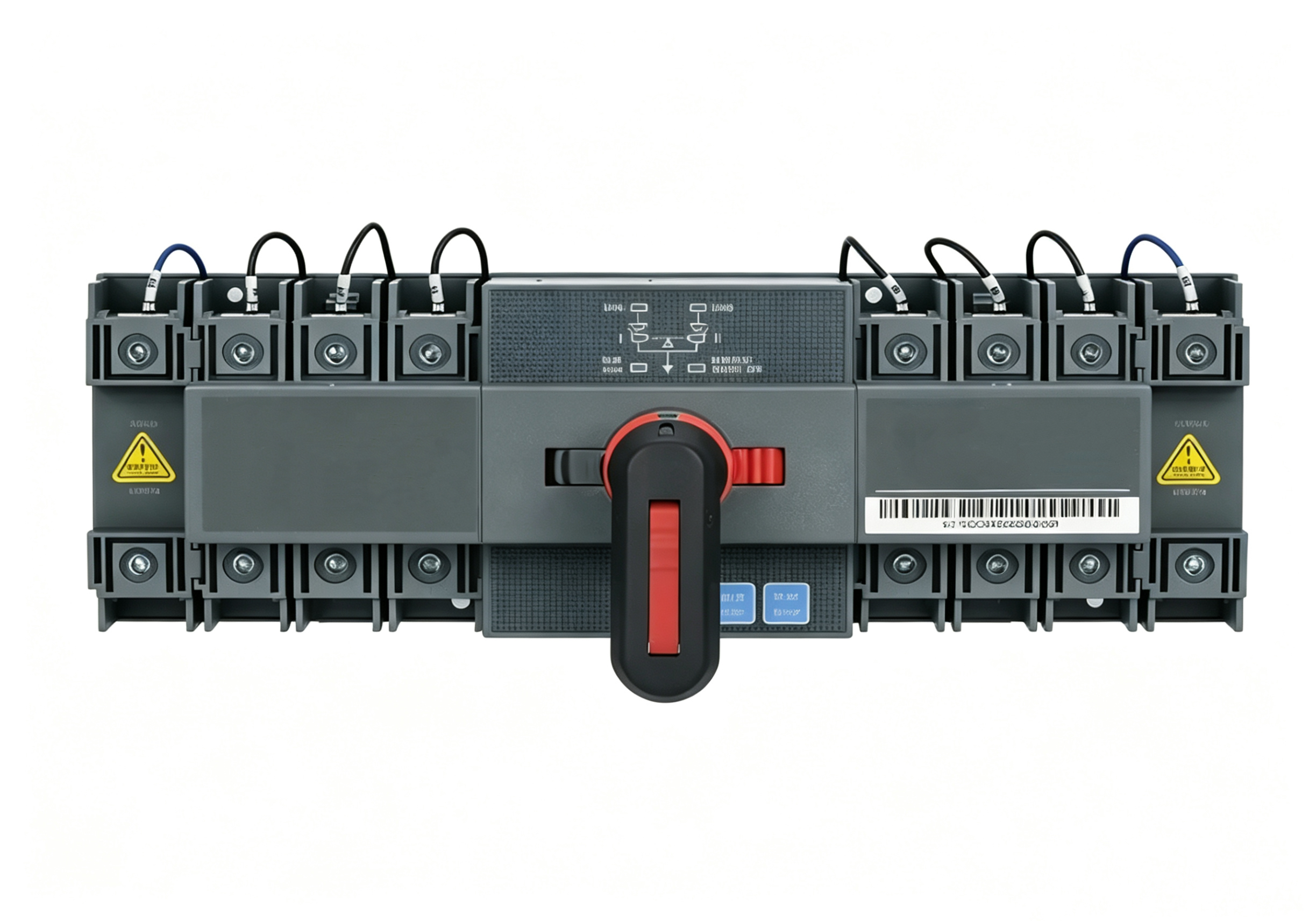
2026-07-28In any LV system with backup generation, the automatic transfer switch (ATS) performs a single mission-critical function: when utility power fails, it must transfer essential loads to the standby source within seconds, and safely return when mains are restored. In data centers, operating theaters, fire pumps, and telecom sites, the ATS is the one node that cannot be allowed to fail. Yet its technical complexity and selection traps remain widely underestimated.
1. CB-Type vs. PC-Type: More Than Structure
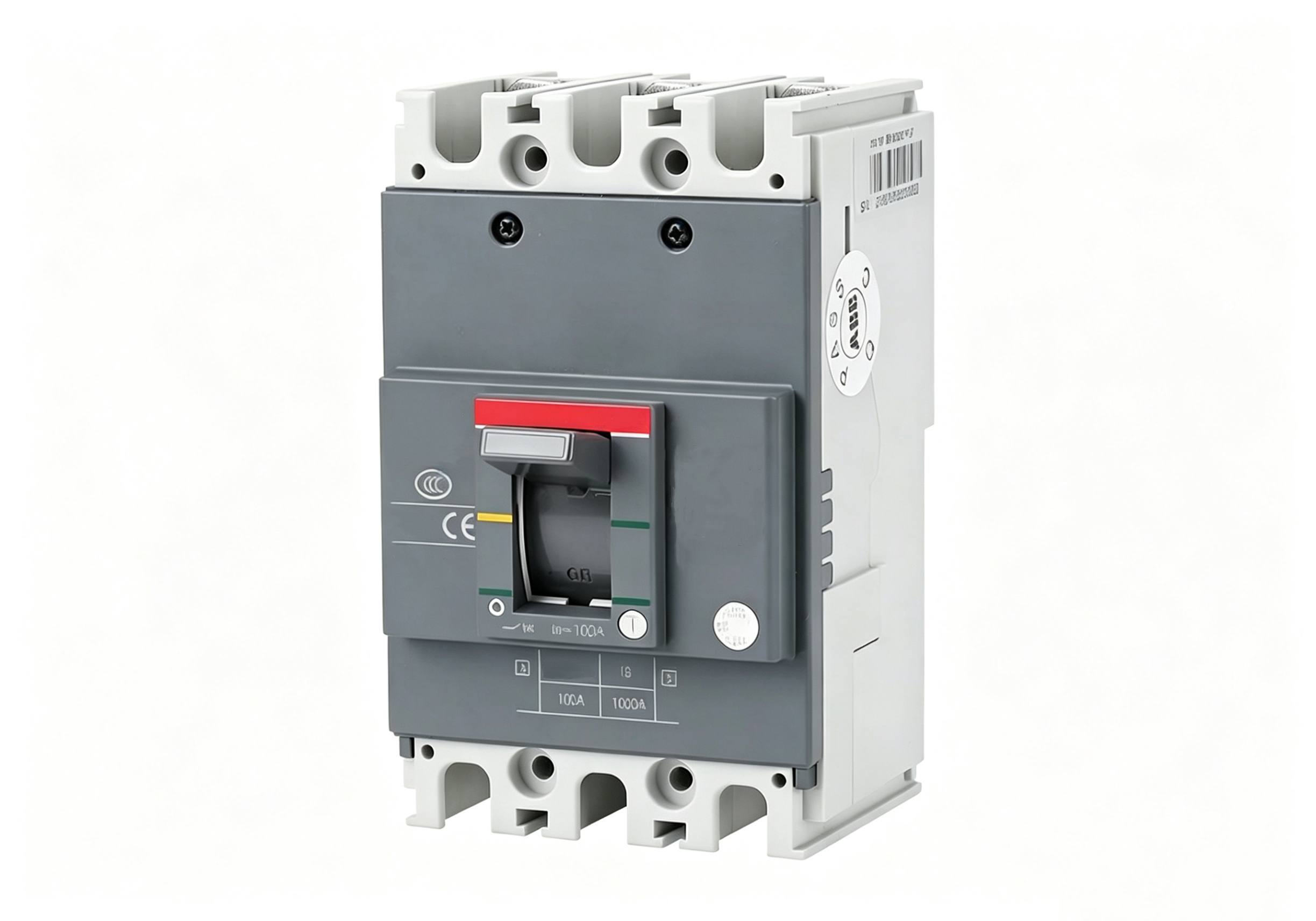
ATS products fall into two families: CB-type (two circuit breakers with mechanical interlock) and PC-type (integrated transfer switches designed solely for source transfer). The fundamental difference lies in how they handle short-circuit current. CB-type ATS relies on the breakers’ protection function to interrupt faults; its contacts serve both switching and protection. PC-type ATS does not interrupt short-circuits but must withstand fault current electrodynamic and thermal effects—its rated short-time withstand current (Icw) is the key metric, typically matching the system’s prospective fault level (e.g., 50 kA/0.3 s). In large installations, PC-type ATS is gaining ground due to simpler mechanics and far longer mechanical life, but it requires an upstream protective breaker; without one, a downstream short-circuit will destroy the ATS.
2. Transfer Time: The Physics Behind the Number
ATS transfer time is often listed as “≤0.1 s,” but the real sequence involves three physical stages: voltage sensing and intentional delay (to avoid nuisance transfers), mechanical contact movement, and arc extinction. Chasing the fastest possible transfer can create severe transient torque on running motors when they reconnect to a source with residual back-EMF, risking mechanical damage. For lighting and IT loads, speed is king; for large motor groups, a deliberately delayed transfer that allows motor contactors to drop out and reclose can be far safer. Engineers should match the transfer strategy to the load profile, not to a single spec-sheet number.
3. Mechanical Interlock: The Non-Negotiable Safety Net
The most catastrophic ATS failure is source paralleling due to interlock malfunction, which can destroy transformers and generators and create arc-flash risk. A reliable ATS must provide dual or triple interlocking: a physical mechanical barrier that prevents both sources from closing simultaneously, plus electrical interlocks via auxiliary contacts at the controller level. Specifiers should demand steel barriers (not engineering plastics), heat-treated interlock forks, and documented mechanical endurance beyond 100,000 operations without visible wear. These details rarely appear in standard compliance certificates, yet they separate industrial-grade from commercial-grade products.
4. Controller: From Logic Judge to Power Brain
Modern ATS controllers have evolved beyond simple voltage detection. They now embed event loggers storing hundreds of transfer records with voltage waveforms, timestamps, and fault codes. With Modbus or IEC 61850 connectivity, they support remote manual/auto transfer, scheduled self-test, and direct communication with generator controllers—enabling load-dependent start/stop of multiple gen-sets for economic dispatch. For buildings requiring quarterly emergency drills, a programmable ATS can execute and document automatic transfer tests, replacing manual operation and reducing risk.
5. Three Common Selection Mistakes
First, in complex multi-source setups (two utility feeds plus genset), stacking CB-type ATS units cannot solve triple-source interlocking logic; a dedicated multi-source controller or PC-type transfer system is required. Second, ignoring phase-angle and voltage differences between sources. If utility and generator voltages are out of phase at the transfer instant, a destructive overvoltage can appear on the load side; synchronous-transfer modules should be evaluated during design. Third, maintenance neglect: many ATS units are locked away and never tested after handover, until a real outage reveals a dead controller battery or seized mechanism. Including the ATS in a quarterly preventive maintenance schedule—with recorded test results—is the only way to guarantee it will perform when needed.
Conclusion
The ATS is the most functionally focused yet detail-sensitive device in an LV assembly. Its value is invisible in normal operation and decisive in a blackout. From CB to PC, from simple switching logic to intelligent power management, ATS evolution is quietly expanding the fault-tolerance boundary of modern power systems. For panel builders and asset owners, spending a morning reviewing the ATS technical specification is far better than rushing to fix a “power returned but didn’t transfer” emergency in the middle of the night.