
NewsNEWCENTER
Featured products

Contact Us
The Switchgear Cabinet: The Heart and Skeleton of Your Power System
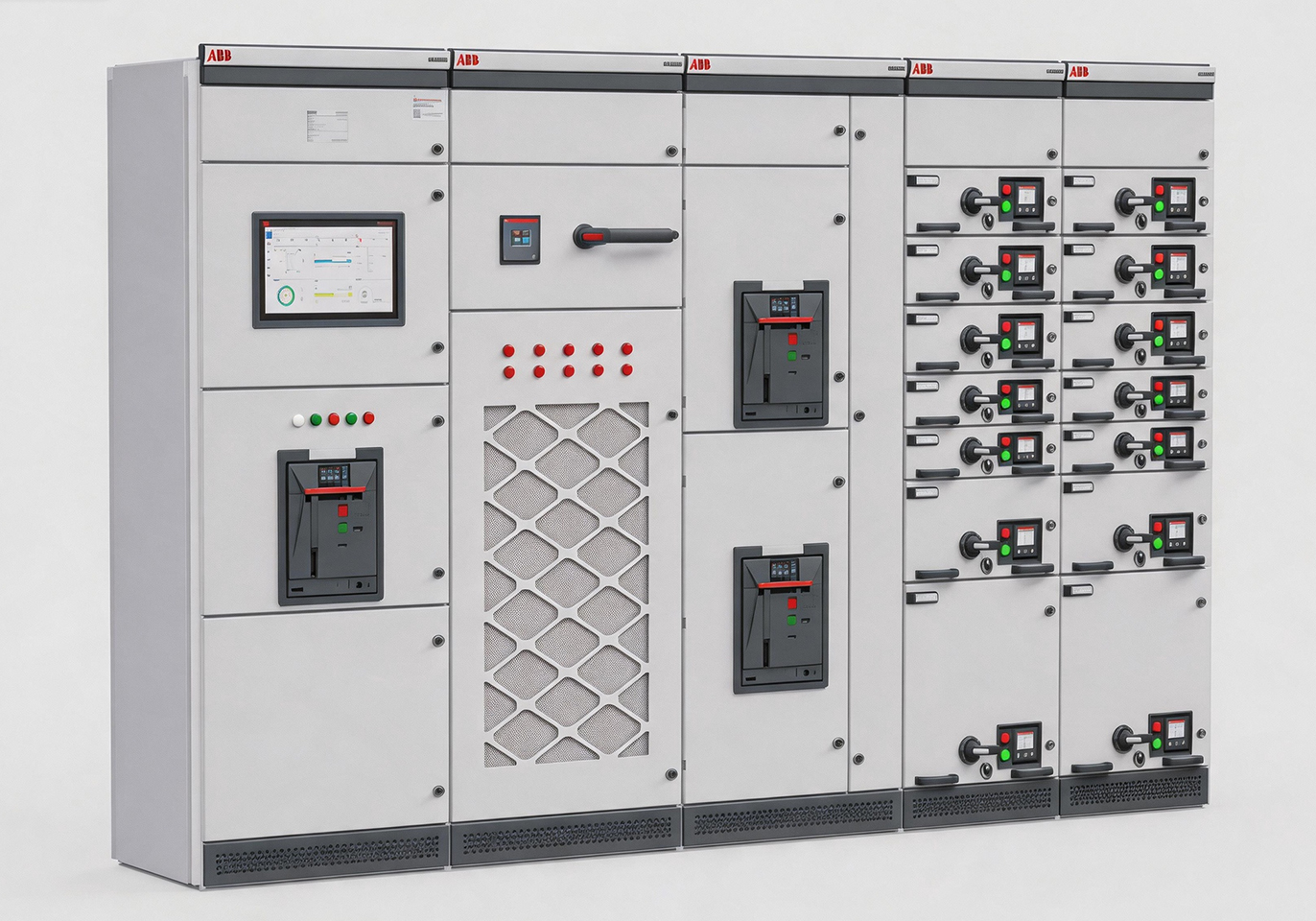
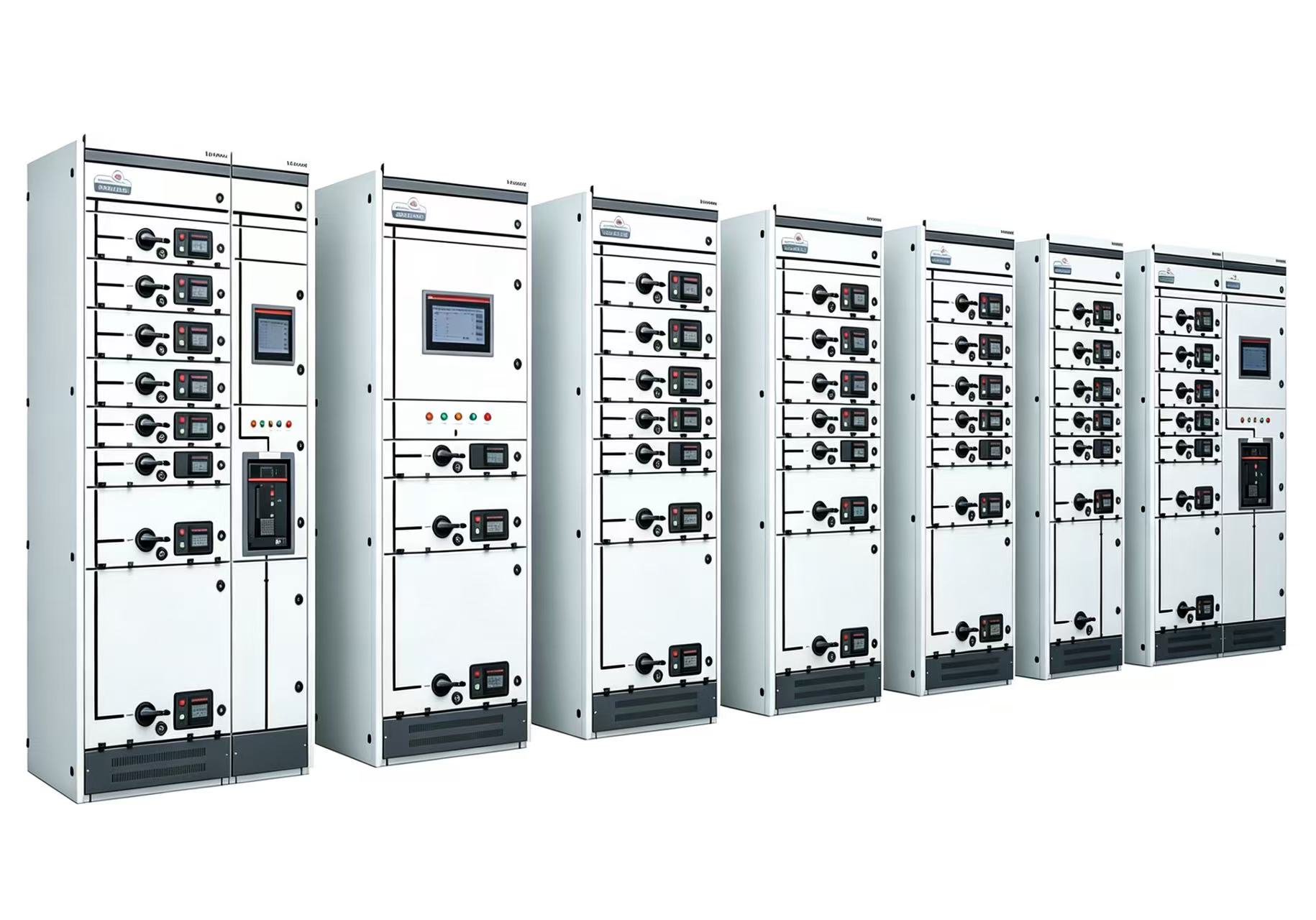
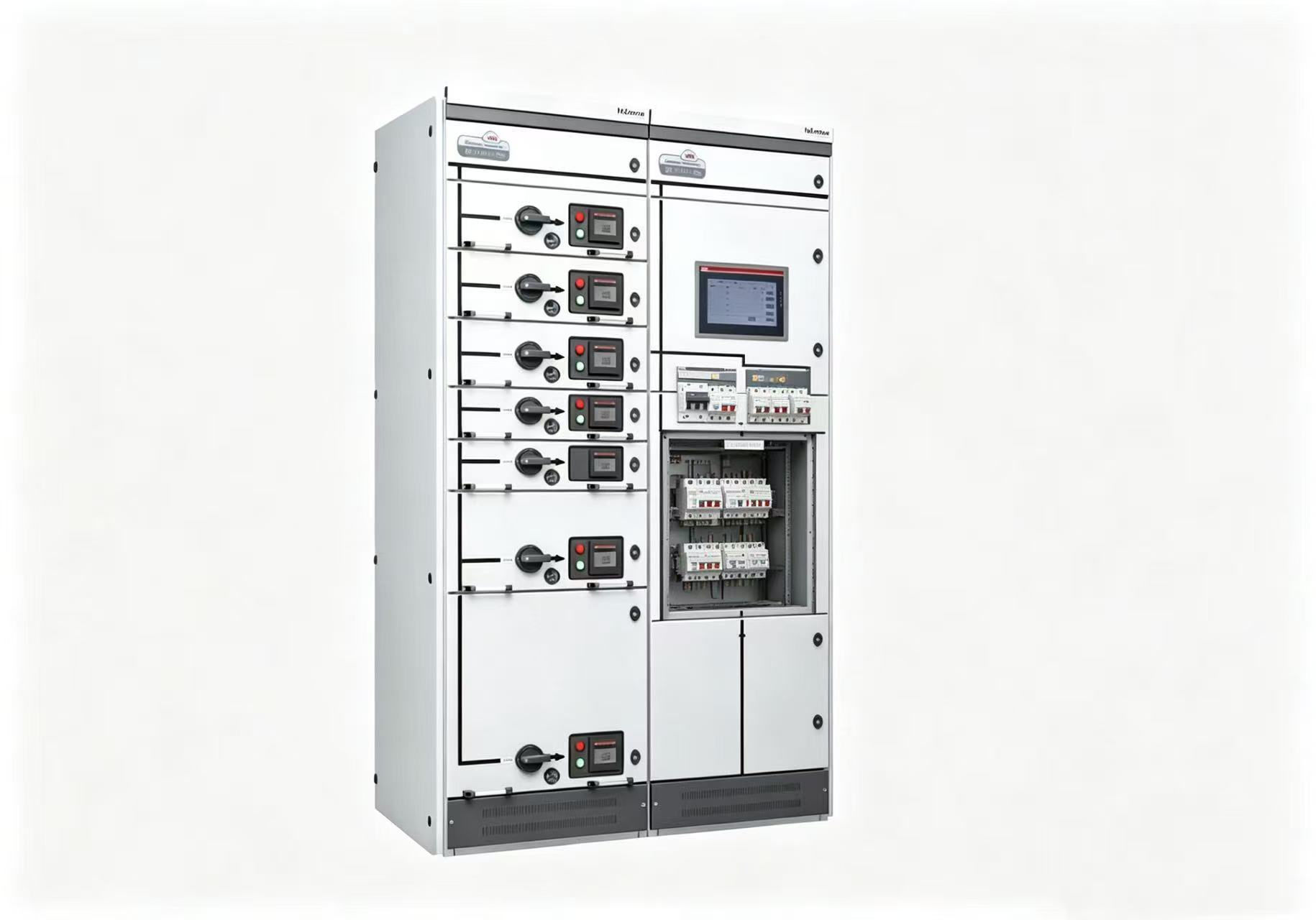
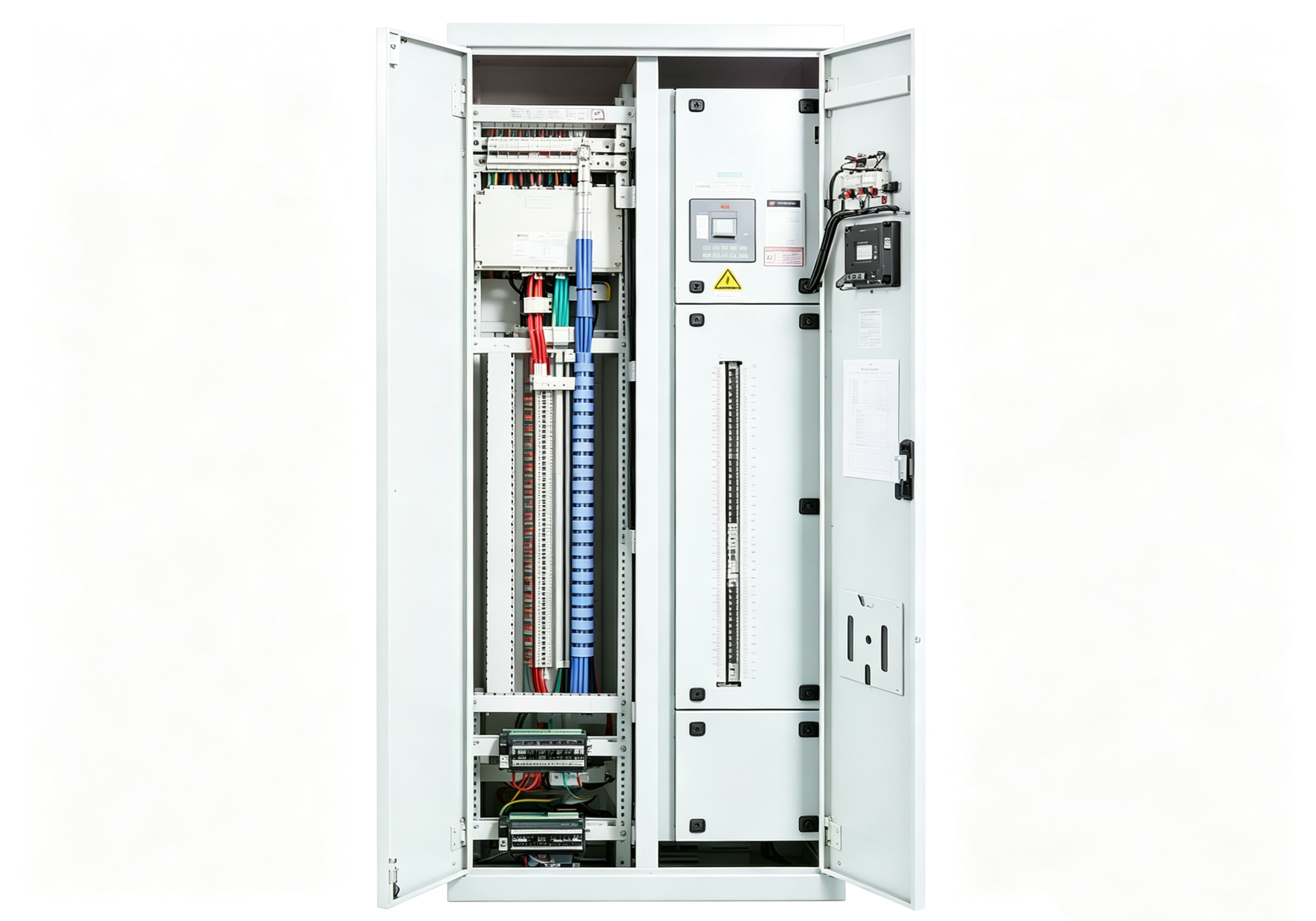
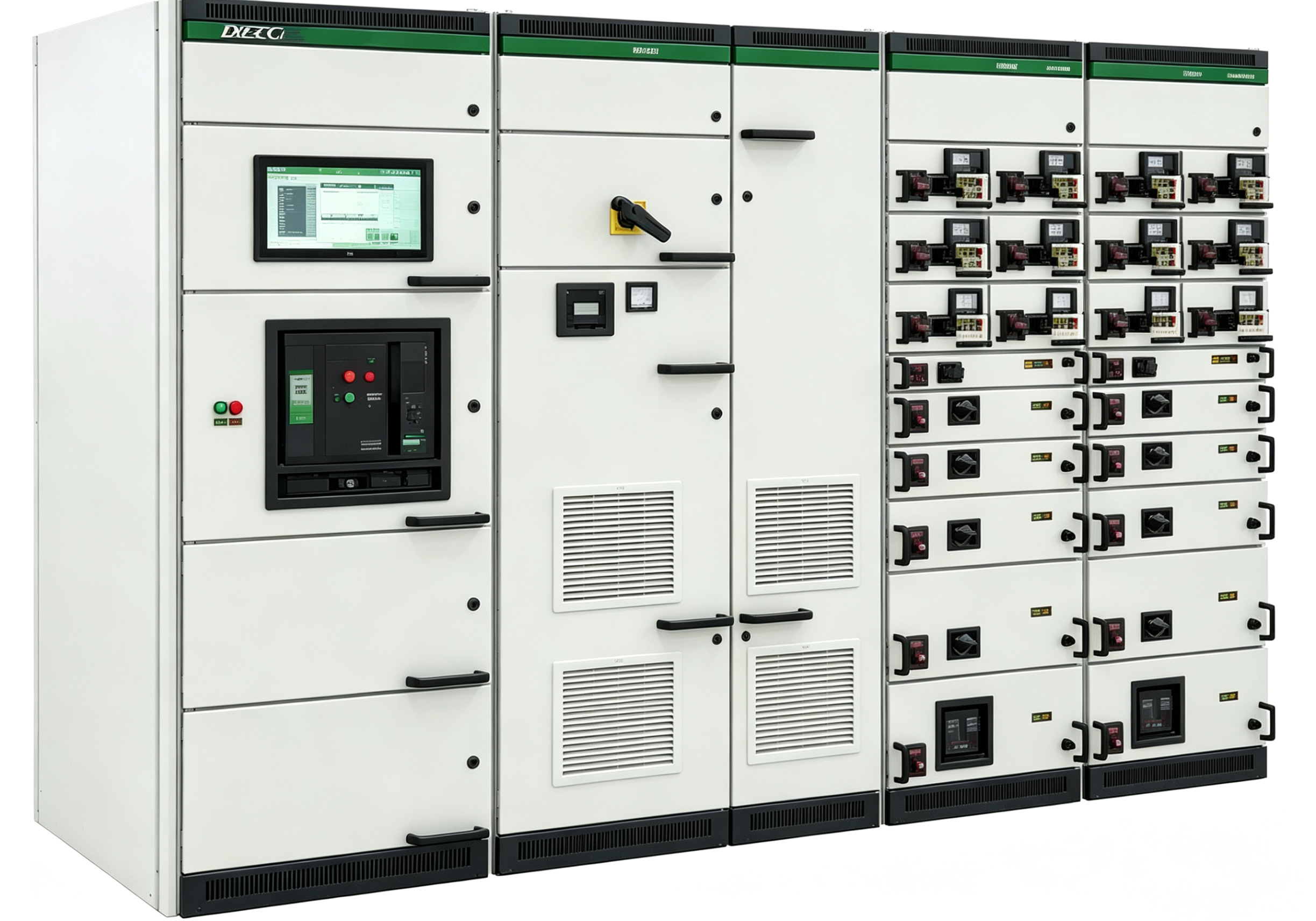
2026-08-17If we compare the power system of a factory or a building to the human body, the transformer is the heart—it converts high-voltage electrical energy into low-voltage energy; cables and busbars are the blood vessels—responsible for delivering the blood (electric current); and the switchgear cabinet is the chest cavity and skeleton that houses all these organs. Without the switchgear cabinet, circuit breakers have nowhere to mount, busbars cannot be secured, instruments lack support, and operators have no safe interface for interaction. A switchgear cabinet is far more than just a metal box—it is a complex engineering system integrating mechanical structure, electrical connections, safety protection, and thermal management. All too often, users spend a fortune on the best circuit breakers and meters, only to end up with poorly fabricated cabinets—improper busbar joints, inadequate ingress protection ratings, insufficient ventilation—that ultimately compromise the reliability and safety of the entire system. A high-quality switchgear cabinet is the foundation upon which all the other components perform their intended functions. In terms of switchgear types and configurations, distribution cabinets come in various categories based on function and construction: incoming cabinets (main power entry), outgoing cabinets (power distribution to branch circuits), bus-tie cabinets (busbar sectioning and power transfer), compensation cabinets (automatic reactive power compensation), MCC cabinets (motor control centers), and ATS cabinets (automatic transfer switching). Each type has its own role, but they all share a common set of basic structural design principles. Designations like MDmaxS, MNS, and BLOKSET may sound like code names, but they actually represent cabinet series built under different technical platforms. MDmaxS is an ABB-licensed high-standard low-voltage cabinet featuring a double-bent G-profile frame with a self-supporting structure that combines high strength with lightweight construction; MNS is a modular, configurable low-voltage cabinet built on a 25mm modular C-profile, offering exceptional flexibility; BLOKSET, a Schneider Electric licensed product, employs a fixed-partition structure designed for maintenance-free operation exceeding ten years. The choice of cabinet type depends on your application scenario, budget, and requirements for licensed technical platforms. The IP ingress protection code consists of two digits: the first indicates the level of protection against solid objects (0‑6), and the second against water ingress (0‑8). Common IP ratings for switchgear cabinets include IP30, IP31, IP40, IP41, and IP54. IP30 means it prevents entry of solid objects larger than 2.5mm (but does not exclude dust) and offers no water protection, suitable for dry, clean indoor environments. IP40 prevents entry of solid objects larger than 1mm, also without water protection. IP41 offers the same dust protection as IP40 plus protection against dripping water, suitable for locations with condensation risks. IP54 provides dust protection (though not total dust exclusion, the dust ingress is insufficient to interfere with normal operation) plus splash-water protection, commonly used outdoors or in environments with light moisture. A common selection mistake is assuming that higher IP ratings are always better—but higher protection levels demand tighter cabinet seals, which makes heat dissipation more difficult. In applications with high heat dissipation requirements, such as MCC cabinets packed with variable frequency drives and other heat-generating components, an excessively high IP rating may cause internal temperatures to exceed limits, actually shortening equipment life. The correct approach is to select the minimum IP rating that adequately matches the actual installation environment. The busbar system is the main conductor that transmits electrical energy within the cabinet, typically made of copper or aluminum busbars. The cross-sectional area of the busbar determines its current-carrying capacity; insufficient capacity causes severe heating, accelerated insulation aging, and even fire hazards. Busbar jointing is one of the most critical fabrication processes in switchgear manufacturing. Joint surfaces must be ground to remove oxide layers and coated with conductive grease or anti-oxidation compound. Bolt torque must strictly follow standard specifications—insufficient torque results in increased contact resistance and overheating, while excessive torque damages the busbar or strips the threads. A more subtle issue is joints between dissimilar metals, such as copper‑aluminum connections, which must use transition terminals to prevent rapid degradation of the contact surface due to electrochemical corrosion. Busbar color coding also follows national standards: L1 (phase A) is yellow, L2 (phase B) is green, L3 (phase C) is red, neutral (N) is light blue, and protective earth (PE) is green‑yellow striped. Incorrect color coding creates significant safety hazards for future inspections and retrofits. Inside the cabinet, numerous heat-generating components are concentrated—circuit breaker contacts, busbar joints, conductor terminals, and electronic devices. If the internal temperature rises too high, thermal trip units in circuit breakers may cause nuisance tripping, electronic component life shortens, and insulation materials age faster. International standard IEC 61439 specifies clear temperature rise limits for switchgear; for example, the temperature rise at busbars and connection points must not exceed 70K (at an ambient temperature of 40°C, busbar temperature must not exceed 110°C). Key measures for controlling temperature rise include rational arrangement of heat-generating components (placing high-heat devices near the top of the cabinet to leverage natural upward air circulation), ensuring sufficient ventilation area on the cabinet, and installing cooling fans or heat exchangers where necessary. One easily overlooked point is that the top and surrounding area of the cabinet must remain clear of obstructions—stacking materials on top blocks ventilation openings, causing abnormal temperature rise inside. During summer periods, regularly measuring internal cabinet temperature and keeping records is a low-cost but high-return preventive maintenance practice. Operational safety in switchgear is of paramount importance in design. The “five-prevention” is the most fundamental interlocking requirement for switchgear: preventing accidental opening or closing of circuit breakers, preventing operation of disconnectors under load, preventing grounding under energized conditions, preventing closing with a ground connection, and preventing unauthorized entry into energized compartments. In low-voltage switchgear, common interlocking devices include mechanical interlocks (through linkage rods or shutters), electrical interlocks (through auxiliary contacts and control circuits), and key interlocks (requiring a specific sequence of operations). Safe clearance is another hard requirement that is often overlooked—the electrical clearance and creepage distances between bare live parts and between live parts and ground must meet the minimum values specified by standards; otherwise, tracking may occur in damp or polluted environments, leading to short-circuit incidents. During routine inspections, the following can be observed in just a few minutes: by listening, normal operating sound is a uniform hum (electromagnetic noise); if you hear crackling discharge sounds, insulation is already compromised with local discharges occurring; if you hear intermittent metallic impacts, the operating mechanism of a contactor or circuit breaker is likely abnormal; by smelling, a properly functioning cabinet should have no noticeable odor—if you detect a burning smell, some component or conductor is overheating and approaching combustion, requiring immediate investigation; by observing, are all meters and indicator lights showing normal readings? Any tripped signals or alarm lights? Any bulging in capacitor banks? These are routine checklist items; and by measuring, use an infrared thermometer to quickly scan busbar joints, breaker terminals, and cable connection points—if any point shows a temperature significantly higher than similar points elsewhere (more than 15°C difference), it indicates poor contact or overloading requiring further inspection. From the outside, a switchgear cabinet may look like just a metal enclosure, but the design sophistication and manufacturing precision inside determine how far the reliability of your entire distribution system can go. Choosing a good cabinet type, specifying the appropriate protection rating, implementing proper busbar jointing, and allowing adequate heat dissipation space—these invisible details ultimately manifest in a decade of trouble-free operation and hundreds of thousands of kilowatt-hours safely delivered.