
NewsNEWCENTER
Featured products

Contact Us
Low‑Voltage Switchgear Comparison: MDmaxS, MNS, or BLOKSET — Which One Is Right for You?
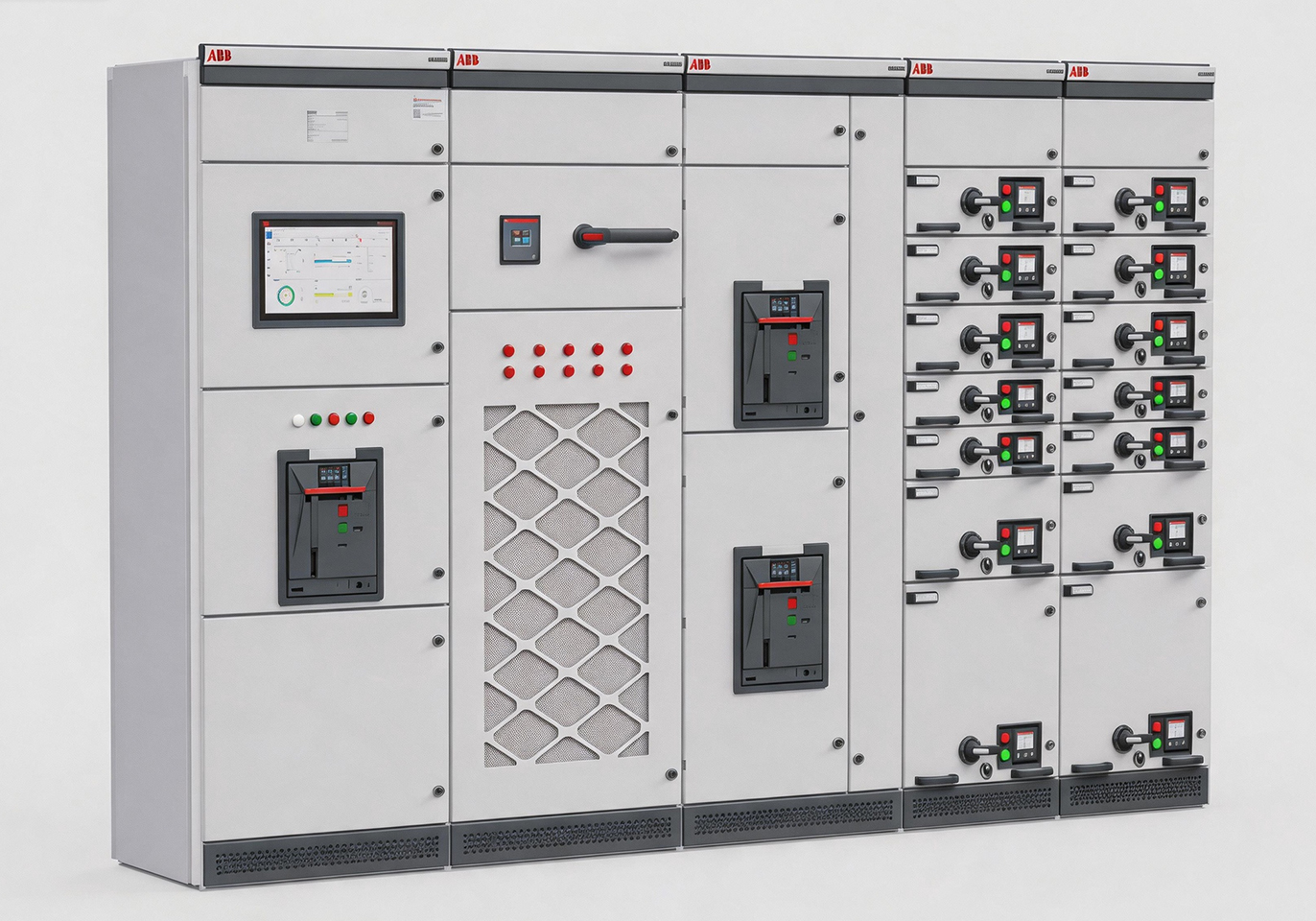
2026-08-19In low‑voltage distribution systems, selecting the right switchgear cabinet type is a decision that troubles many engineers. MDmaxS, MNS, and BLOKSET are three household names in the power distribution world, but what exactly differentiates them? Which one is better suited for your project? And what do the technology licensing arrangements behind these cabinets actually mean? Many buyers focus solely on price or brand recognition, overlooking fundamental differences in structural design, safety protection, maintenance convenience, and long‑term reliability. Choose the wrong cabinet type, and you may spend the next decade paying for that decision—with difficult maintenance, constrained expansion, and higher failure rates. This article clarifies the origins, core differences, and typical applications of these three mainstream cabinet series. MDmaxS is an ABB‑licensed low‑voltage switchgear series, most notably characterized by its double‑bent G‑profile frame. This profile structure makes the cabinet self‑supporting—meaning the cabinet’s strength and rigidity rely not on the outer sheet metal but on the internal framework. This ensures structural integrity even under extreme conditions like transportation or seismic events. Another highlight of MDmaxS is its flexible mixed‑configuration capability: within a single cabinet, you can freely combine fixed, fixed‑partitioned, and draw‑out configurations, greatly enhancing design flexibility and space utilization. Moreover, MDmaxS has passed type‑tested assembly (TTA)verification, including seismic, internal arc, high‑altitude, salt‑fog, and EMC tests, with complete validation reports available. Its main advantages are high structural strength, comprehensive safety certifications, and flexible mixing; its drawbacks are relatively higher cost and production restriction to ABB‑licensed fabricators, with lead times and pricing influenced by the licensing system.
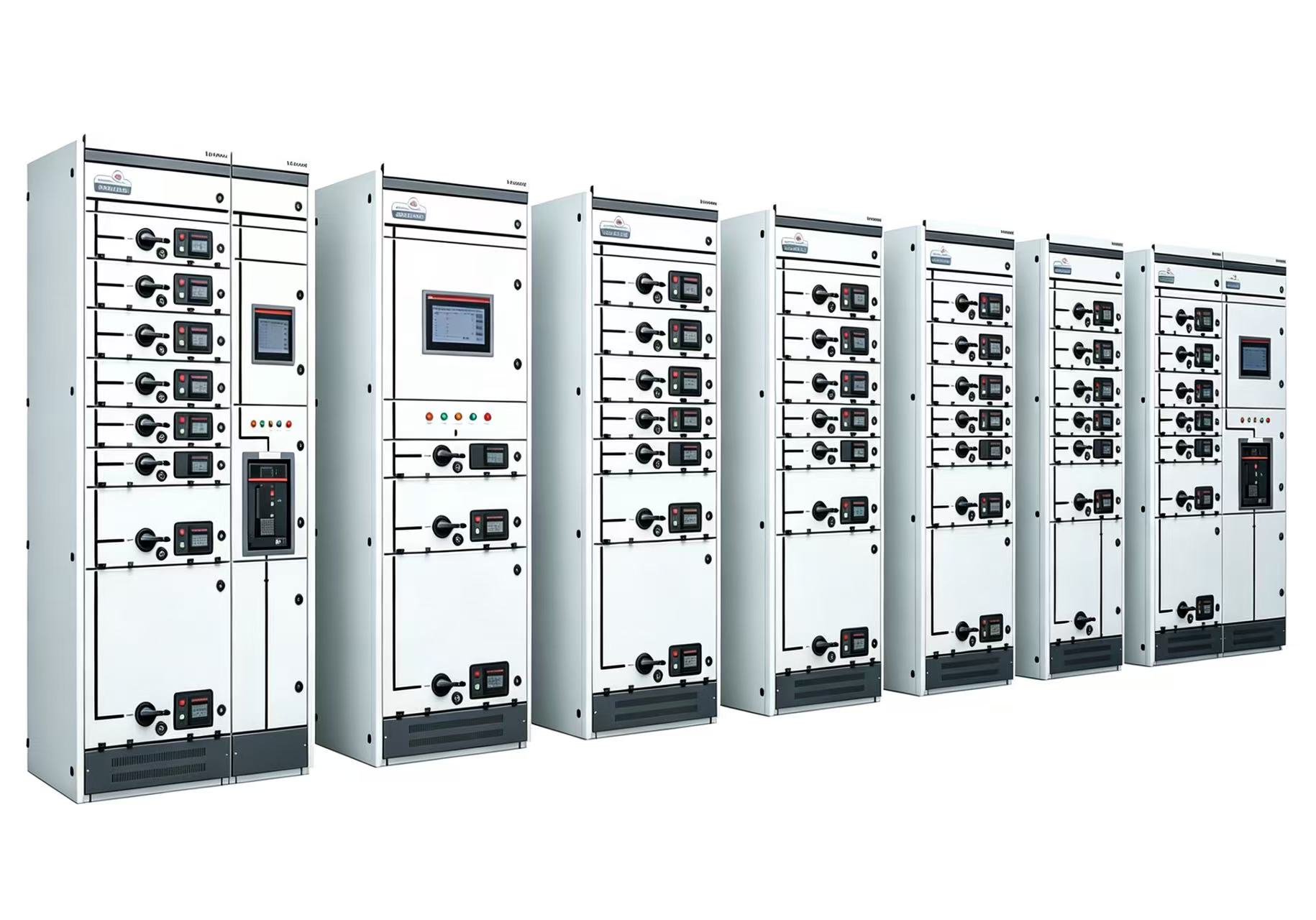
MNS is another classic cabinet series originating from the ABB technology family, but its core design philosophy differs from MDmaxS. MNS employs a 25mm modular C‑profile, turning the entire cabinet into a “Lego‑like” system—you can freely combine various functional units (protection, operation, switching, control, regulation, measurement, indication, etc.) based on actual needs, with standardized design making configuration and modifications extremely convenient. The compactness of the MNS cabinet is another major selling point: it accommodates more functional units within the same footprint, which is a significant advantage for space‑constrained electrical rooms. In terms of safety, MNS cabinets extensively use high‑strength flame‑retardant engineering plastic components to effectively block arc and fire risks.
MNS advantages include high modularity, flexible configuration, excellent space utilization, and moderate cost‑performance; however, it remains under the ABB technology licensing umbrella, and manufacturing quality may vary between different licensed fabricators—so select your fabricator carefully.
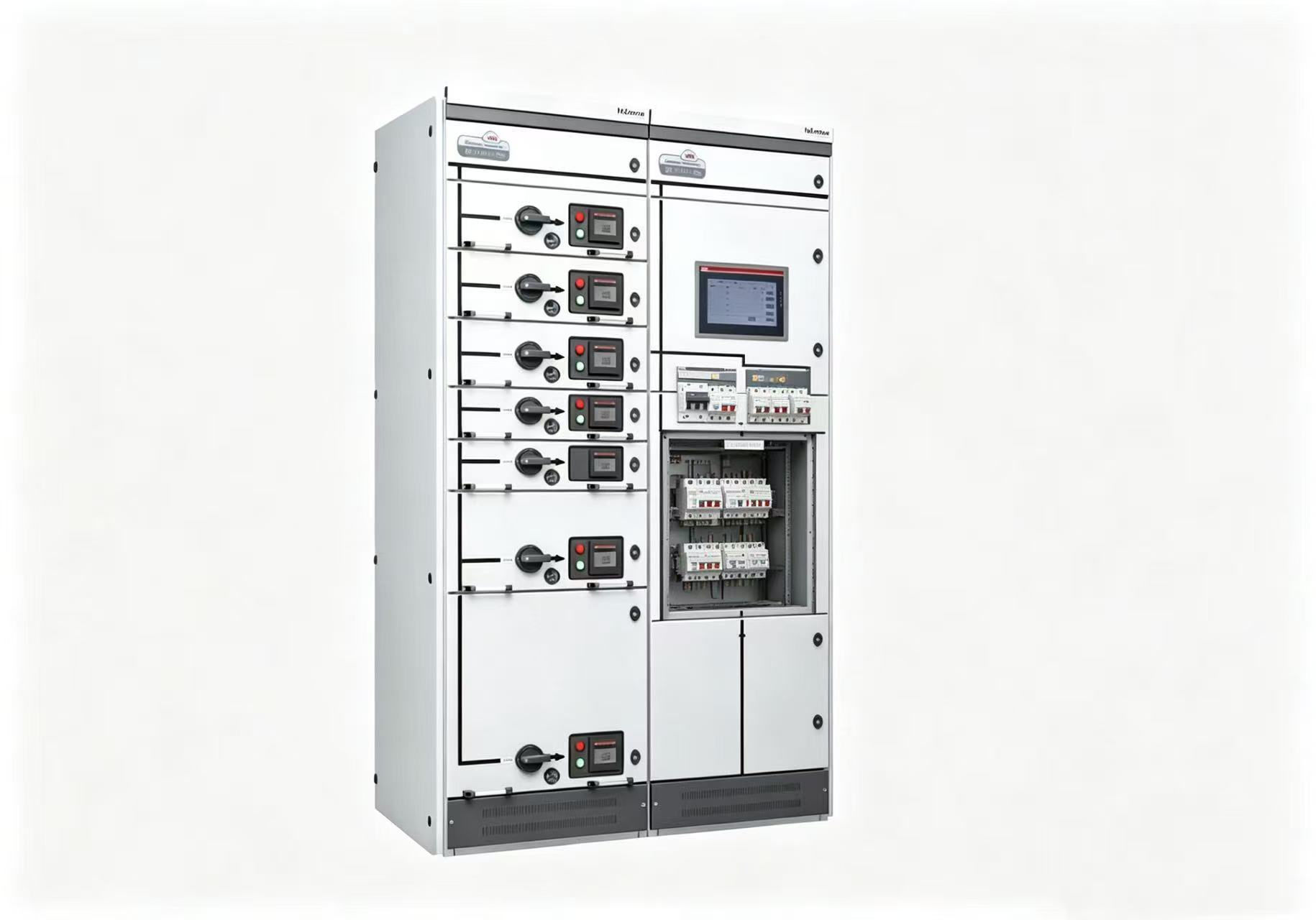
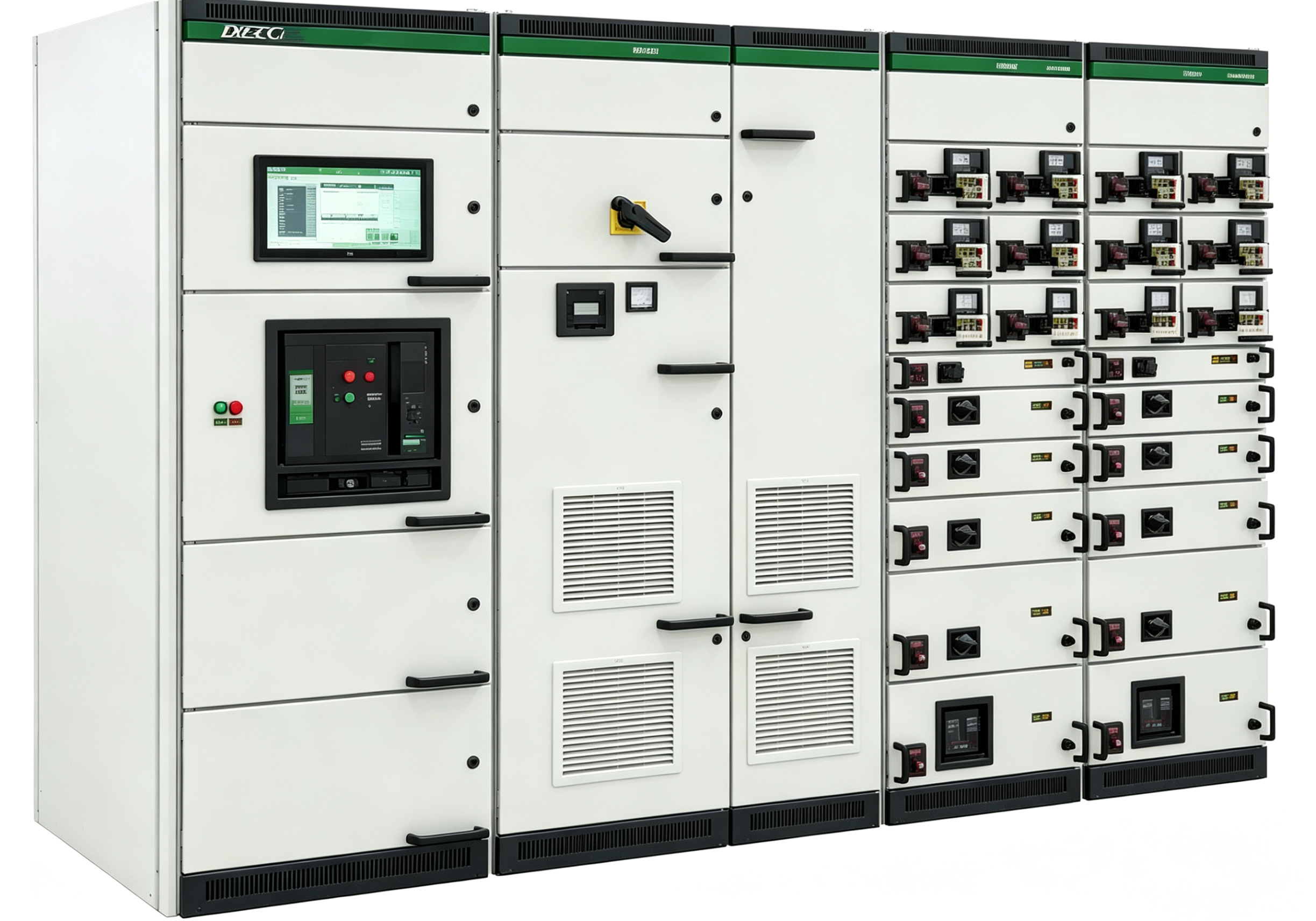
BLOKSET is a Schneider Electric‑licensed low‑voltage switchgear series with its most prominent design goal being long‑term maintenance‑free operation. BLOKSET employs a fixed‑partitioned construction, unlike the draw‑out or withdrawable designs common in MDmaxS and MNS. The fixed‑partitioned approach offers simple and robust construction with extremely high electrical connection stability—BLOKSET’s patented double‑clip technology for draw‑out primary contacts ensures durable and stable busbar contact, claiming a maintenance‑free service life exceeding 10 years. Another notable feature of BLOKSET is its exceptional space utilization; the fixed‑partitioned design eliminates unnecessary gaps, allowing more circuits within the same cabinet footprint. In safety design, BLOKSET emphasizes comprehensive protection—from operator personal safety to system redundancy.
BLOKSET advantages are excellent reliability, extended maintenance‑free intervals, high space efficiency, and strong Schneider brand backing; however, its fixed‑partitioned design is less flexible than draw‑out configurations in applications requiring frequent component replacement, and it is equally constrained by Schneider’s licensing system. At a glance, the core differences among the three cabinet series are: in structure, MDmaxS supports mixed fixed/partitioned/draw‑out, MNS is primarily draw‑out with some fixed options, and BLOKSET is predominantly fixed‑partitioned; in frame profiles, MDmaxS uses double‑bent G‑profile, MNS uses 25mm modular C‑profile, and BLOKSET uses Schneider‑specific profiles; in licensing, MDmaxS and MNS are ABB‑affiliated (with MNS sometimes produced independently) while BLOKSET is Schneider‑licensed; and in typical applications, MDmaxS suits scenarios with extreme structural and safety demands (power stations, large data centers), MNS fits general industrial settings requiring flexible configuration and compact layout, and BLOKSET is ideal for critical power supply locations demanding maximum reliability and minimal maintenance. The selection decision can follow a three‑step process: first, confirm whether your project has mandatory brand licensing requirements—many large tenders explicitly specify “ABB‑licensed” or “Schneider‑licensed” cabinets, which limits your options second, assess the actual needs of your distribution scenario—if loads change frequently and circuits need regular adjustment or replacement, the draw‑out or mixed‑configuration capabilities of MNS and MDmaxS are more convenient;
if loads are stable and rarely changed after commissioning, BLOKSET’s fixed‑partitioned design and maintenance‑free features are more attractive; and third, consider total life‑cycle costs—MDmaxS generally has the highest upfront cost, but its structural strength and safety margins are non‑negotiable in critical applications; MNS offers the most balanced cost‑performance for most industrial projects; and although BLOKSET has significant initial cost, its ultra‑long maintenance‑free interval can substantially reduce later operational labor costs in large‑scale deployments. One final reminder: regardless of which cabinet type you choose, the actual quality of the cabinet delivered to your site largely depends on the fabricator’s manufacturing processes and quality control. The same cabinet type can vary dramatically between different licensed manufacturers. Choose your cabinet type, but also choose a reliable fabrication partner—evaluate their production qualifications, track record, and factory testing procedures, because these “soft capabilities” often determine your electrical experience for the next decade more than the cabinet type itself.