
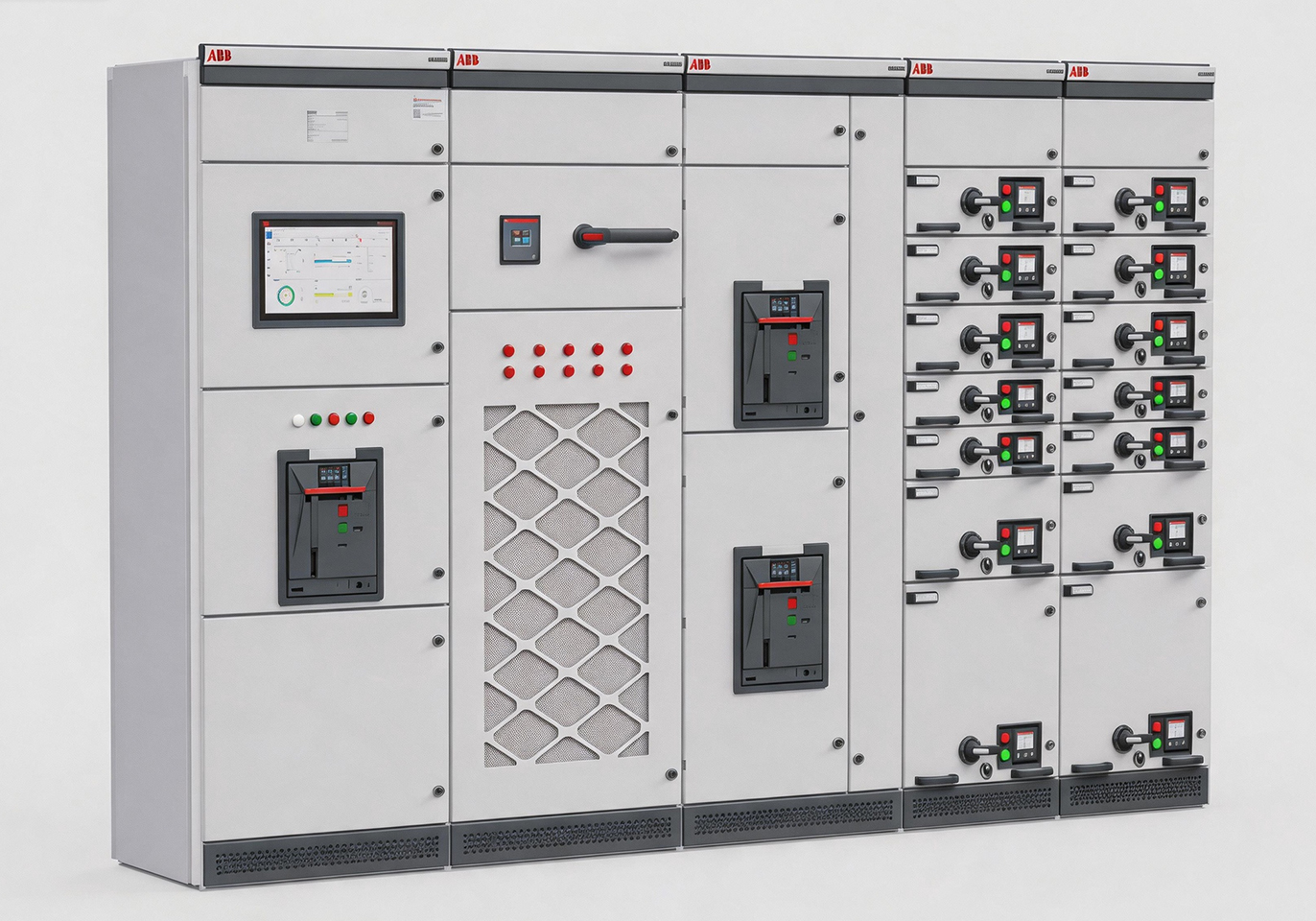
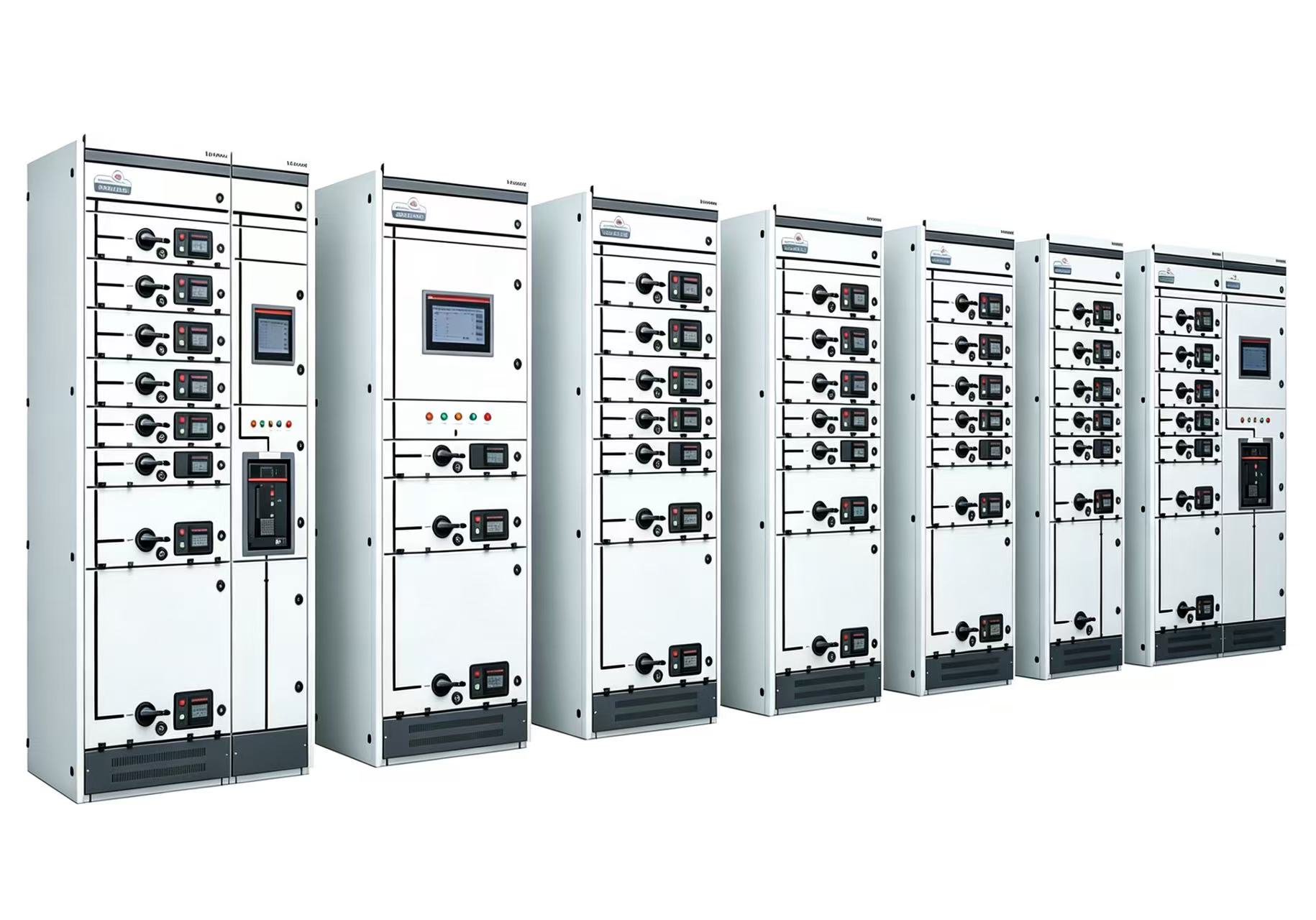
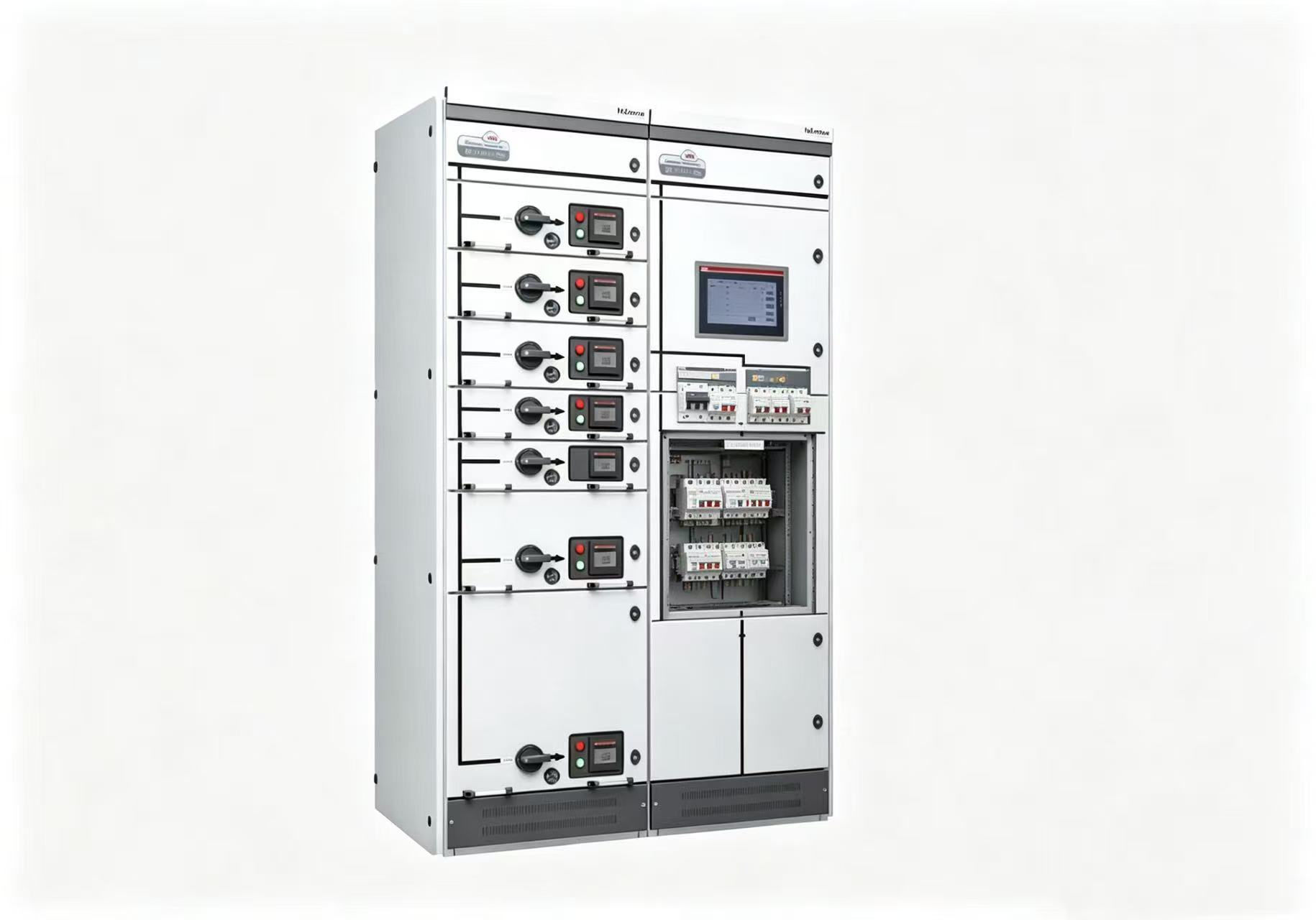
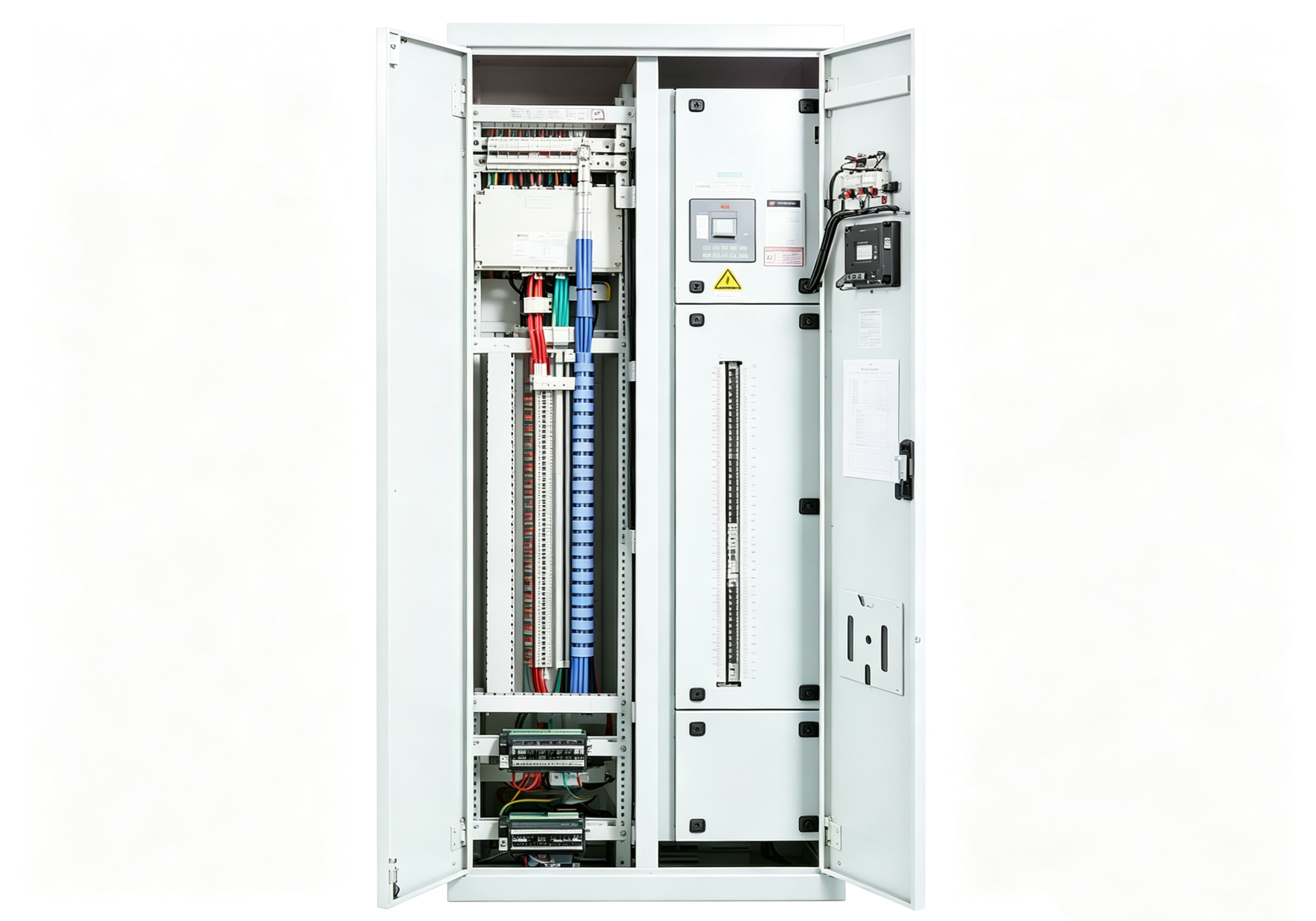
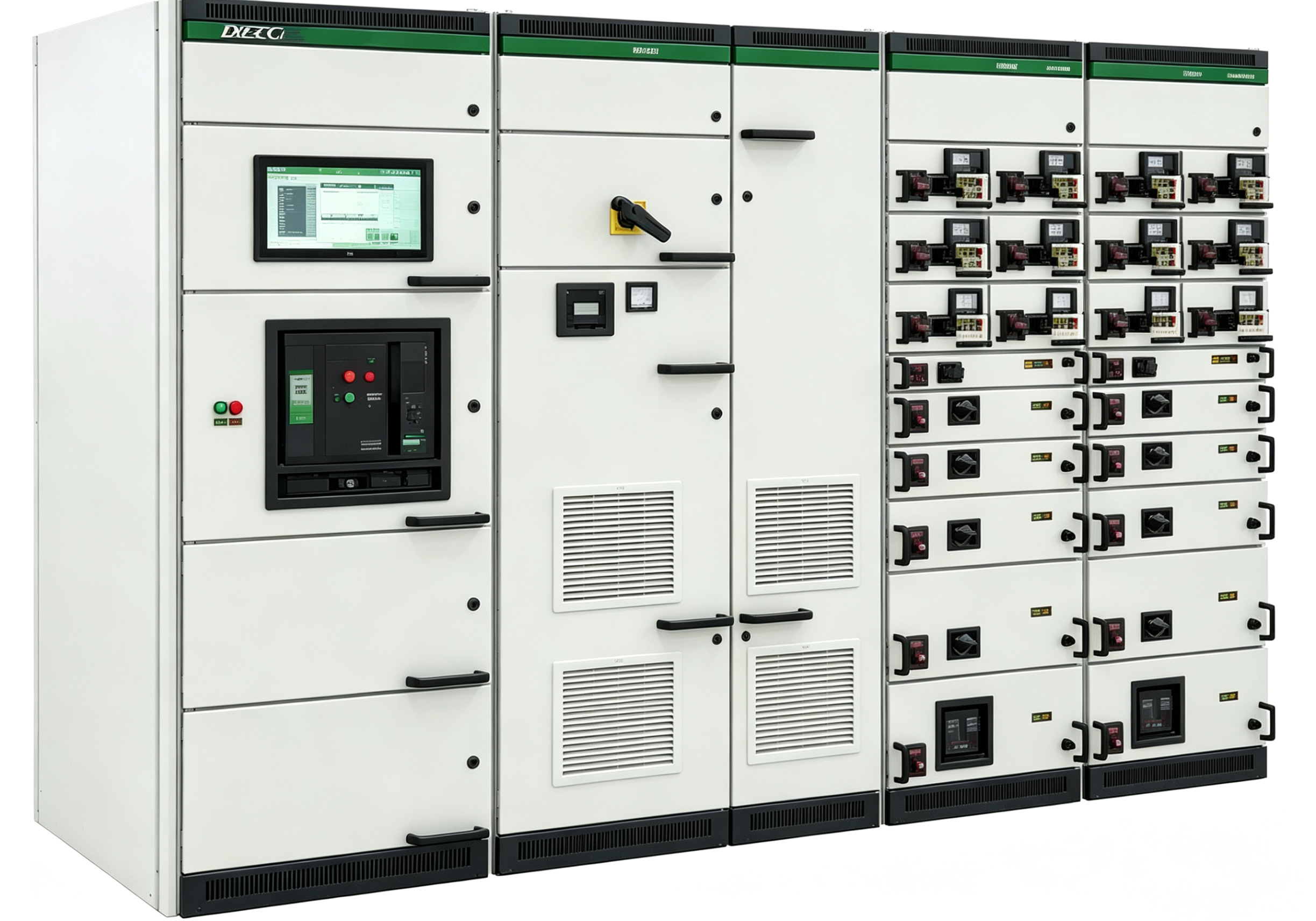

If you walked into a distribution room ten years ago, what would you see? Rows of cabinets, mechanical meters, blinking indicator lights, and a thick paper logbook. If you walk into a newly built modern data centre distribution room today, what will you see? The same rows of cabinets — but now with touchscreens on the doors, communication ports, data acquisition modules, and a large wall display showing real‑time single‑line diagrams, load curves, and system health status. This is the digital transformation of power distribution — not “throwing away the old and buying new,” but overlaying the traditional physical infrastructure with a layer of digital sensing, communication, and decision‑making capability, allowing the once‑silent distribution equipment to “speak.”
Traditional vs Intelligent Distribution — What Is the Essential Difference?
The defining characteristic of a traditional distribution system is passive response — equipment only reacts when a fault occurs (tripping or alarming), and during normal operation it outputs almost no information. Operators can only understand system status through periodic inspections — and any abnormality that occurs between inspections is a “blind spot.”
The defining characteristic of an intelligent distribution system is active perception — through sensors and intelligent terminals distributed throughout the system, it collects real‑time data on voltage, current, temperature, switch status, power quality, and more, and aggregates this data via communication networks to a central monitoring platform for unified analysis and display. Operators no longer need to “go and check the equipment periodically” — they can “see the equipment’s status on the screen at any time.”
| Dimension | Traditional Distribution | Intelligent Distribution |
|---|---|---|
| Data collection | Manual meter reading, periodic inspection | Real‑time online collection, second‑level refresh |
| Fault detection | Only known after tripping | Early warning before fault occurs |
| Maintenance mode | Reactive repair, scheduled overhaul | Predictive maintenance, condition‑based maintenance |
| Data application | Paper records, filed for reference | Data analysis, trend prediction, optimisation |
| Energy management | Experience‑based estimation | Precise measurement, automatic analysis |
| Expansion decisions | Experience‑based estimation | Based on actual load data |
The Three Layers of Intelligent Distribution — From “Seeing” to “Thinking”
Building an intelligent distribution system is not a one‑step process. It typically progresses through three layers:
Layer 1: Perception Layer — Making the System “Visible”
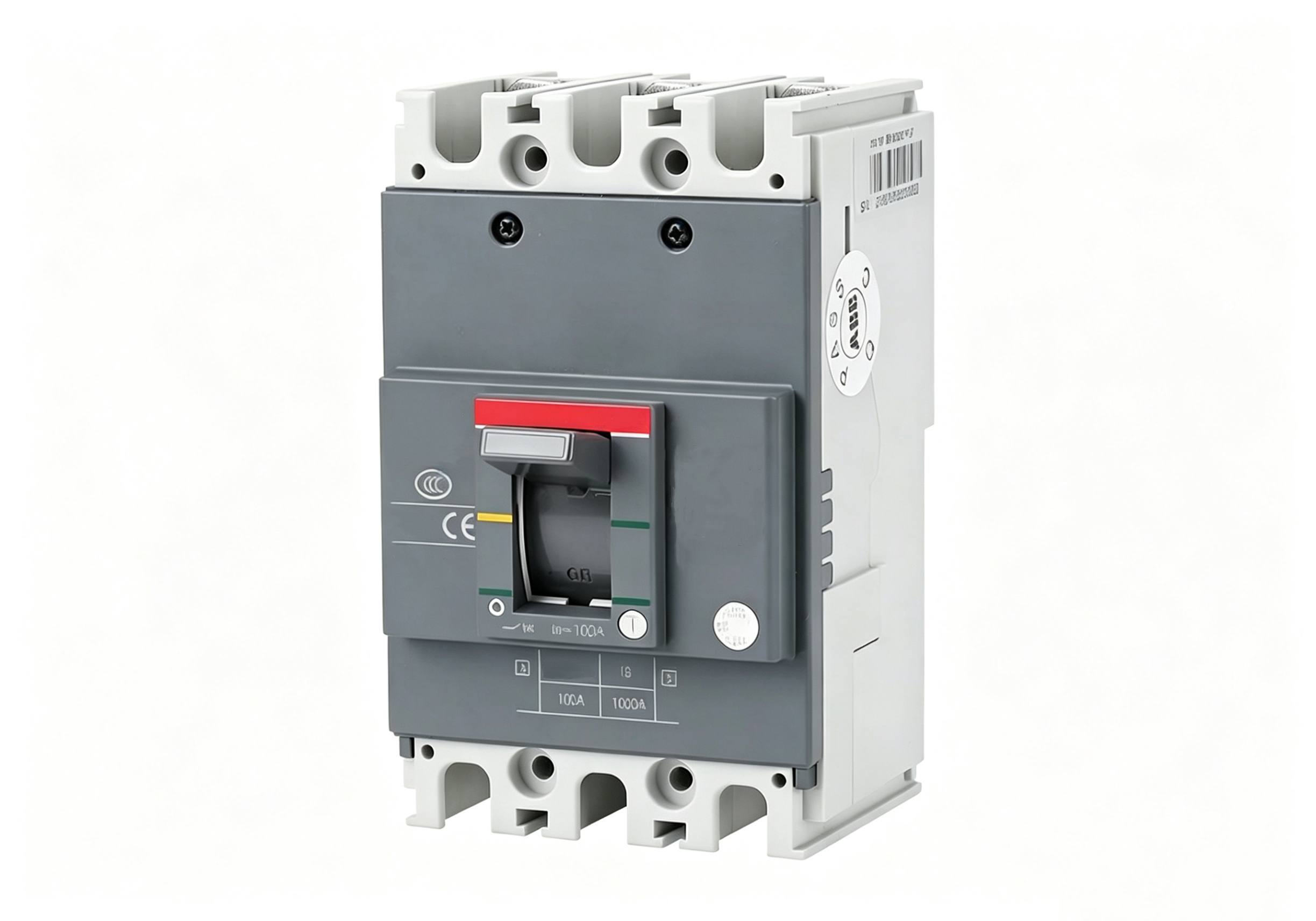
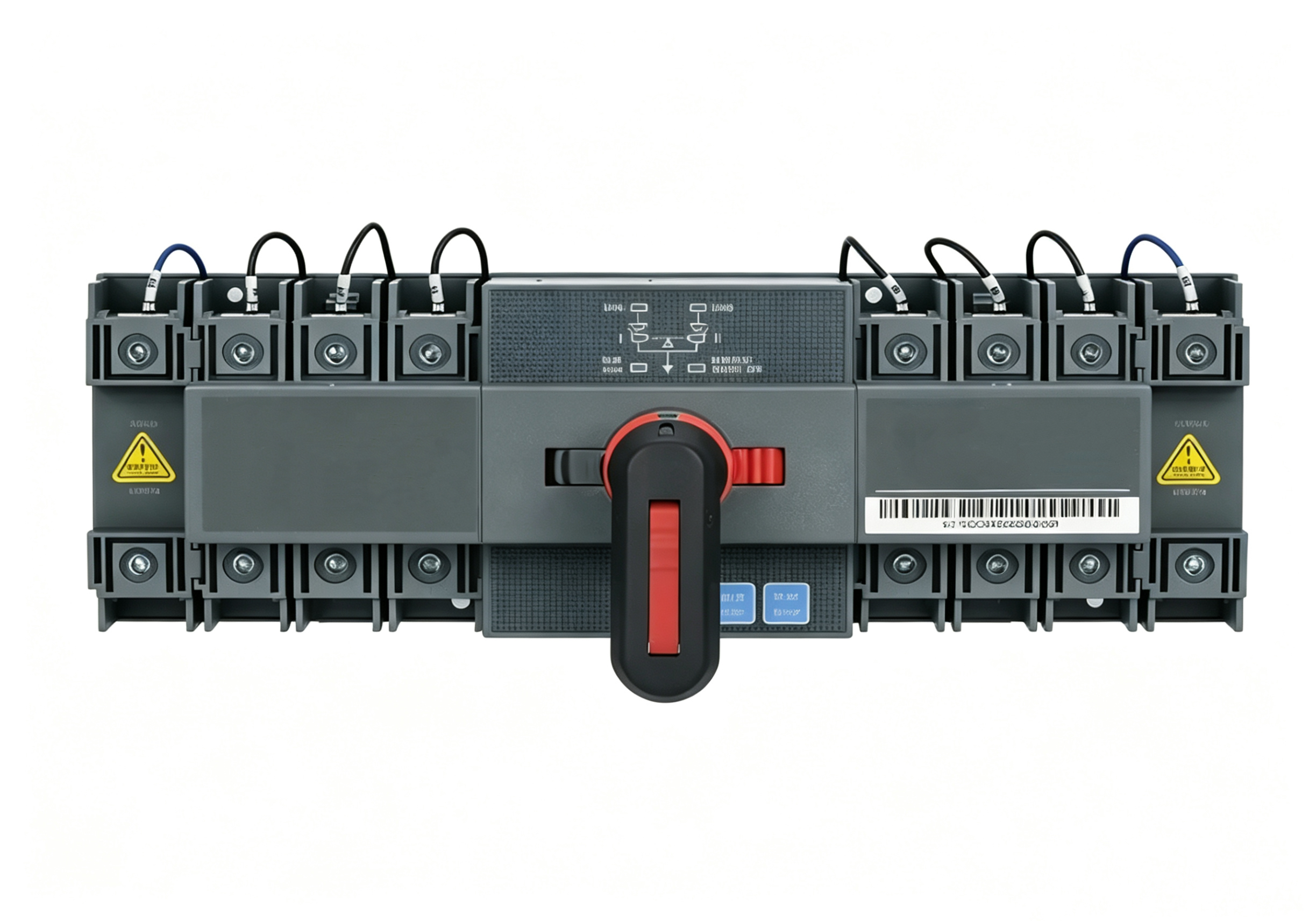
This is the foundation of intelligence. Install smart sensors and intelligent terminal devices at key nodes in the distribution system: multi‑function power meters for real‑time measurement of voltage, current, power, energy, harmonics and other parameters; wireless temperature sensors at busbar joints, circuit breaker terminals and other critical locations for continuous temperature monitoring; smart circuit breakers and contactors that not only perform switching operations but also report their own status (contact wear, operation count, operating time); and partial discharge monitoring devices for online insulation condition monitoring of medium‑ and high‑voltage switchgear. The goal of the perception layer is simple: turn the invisible physical quantities in the distribution system into visible digital data.
Layer 2: Network Layer — Making Data “Flow”
Once you have data, you need it to “get out.” The network layer establishes the data pathway from smart devices to the monitoring platform. Common options include RS485 bus with Modbus protocol — the most mature and widespread communication method in industrial distribution, supported by almost all smart distribution equipment; Ethernet with TCP/IP for aggregating data from the field to the monitoring server and interfacing with upper‑level management systems; and wireless communications such as LoRa, ZigBee, and 4G/5G for retrofits or sites where cabling is difficult. The goal of the network layer is: aggregate distributed data onto a unified platform, so operators can see the entire system’s status on a single screen.
Layer 3: Application Layer — Making the System “Think”
This is the “brain” of intelligent distribution. Once data reaches the platform, it can’t just sit there — it must be analysed and processed into valuable information. Real‑time monitoring and alarming uses configuration diagrams to display the distribution system’s single‑line diagram, showing electrical parameters and switch status in real time — when parameters exceed thresholds, alarms are automatically issued via SMS, App push, or email. Trend analysis and predictive maintenance identifies equipment aging trends through historical data analysis, predicting possible failure times — for example, if a busbar joint’s temperature has been rising 2°C per month for the past three months, the system issues a warning before temperatures reach dangerous levels. Energy management and optimisation analyses consumption patterns across circuits, identifies high‑energy equipment and abnormal usage, providing data support for energy‑saving retrofits. Fault diagnosis and location quickly identifies the fault point during an outage and provides an initial fault type assessment, dramatically reducing troubleshooting time. And asset management records each equipment’s parameters, commissioning date, maintenance history, and spare parts inventory for full life‑cycle management. The goal of the application layer is: turn data into value — helping operators make better decisions, not just see more numbers.
The Core Value of Intelligent Distribution — Not Just “Saving a Few People”
Many business owners’ first reaction to intelligent distribution is “saving labour costs on inspections.” But the value goes far beyond that — data tells the story:
Dimension 1: Reducing Unplanned Downtime
Average troubleshooting time in traditional distribution systems is 2‑4 hours, with some complex faults taking days. Intelligent distribution, through real‑time monitoring and fault early warning, can eliminate over 80% of potential faults “in the bud,” reducing unplanned downtime by 50‑70%. For continuous production facilities, a single unplanned outage can cost hundreds of thousands or even millions of yuan — and the investment in an intelligent distribution system may be equivalent to just one outage’s loss.
Dimension 2: Extending Equipment Life
In traditional systems, equipment replacement cycles are based on “experience” or “manufacturer’s recommended years” — regardless of actual condition, equipment is replaced at the designated time. This either wastes money through premature replacement or leads to accidents through delayed replacement. Intelligent distribution achieves “condition‑based maintenance” through continuous monitoring of operating parameters — maintaining only when truly needed, extending equipment life by 20‑30%.
Dimension 3: Reducing Energy Consumption
Through precise energy monitoring and analysis, intelligent distribution helps identify “invisible waste” — abnormally high standby power consumption, low power factor causing extra line losses, peak loads that could be shifted to off‑peak hours. Industry statistics show intelligent distribution systems typically help enterprises reduce overall electricity costs by 5‑15%.
Dimension 4: Improving Maintenance Efficiency
A comprehensive distribution room inspection traditionally takes 2‑3 people half a day. After intelligent distribution deployment, 80% of inspection work can be done on screen — only “abnormal” indications require on‑site verification. Maintenance teams can move from “heads‑down inspection” to spending more time on “analysis and optimisation.”
Implementation Path — Three Steps, No Pitfalls
Step 1: Assess Current State, Define Objectives
Not every distribution system needs “full intelligence.” First clarify: what is the most pressing pain point? (Frequent tripping? High electricity bills? Insufficient maintenance staff?) How sensitive are critical loads to power supply reliability? (What’s the cost of a 1‑minute outage?) What is the budget, and what ROI timeframe is expected? Plan based on real needs, not just “keeping up with others.”
Step 2: Implement in Phases, Start Simple
Intelligent distribution doesn’t need to be “all at once.” Stage 1: install multi‑function power meters at incoming and key outgoing circuits for basic energy monitoring and meter reading. Stage 2: add temperature and power quality monitoring at critical nodes, enhance alarm functions. Stage 3: deploy intelligent analytics platform for trend analysis, predictive maintenance, and energy optimisation. Each stage delivers independent value while building the foundation for the next.
Step 3: Choose the Right Partner, Avoid “Information Silos”
The core of intelligent distribution is “data interoperability.” If you choose equipment from three different vendors that “don’t talk to each other,” the value of intelligence is greatly diminished. During selection, ensure communication protocols are open, standard Modbus is supported, and open data interfaces are available. An open, extensible platform is far more valuable than a powerful but closed system.
Digitalisation Doesn’t Make the System Heavier — It Makes It Smarter
The digital transformation of distribution isn’t about making simple systems complex — it’s about making complex systems simple: enabling operators to spend less time “finding problems” and more time “solving problems” and “optimising the system.” Smart distribution won’t make your equipment louder — but when it does “speak,” you’ll hear more clearly and respond more promptly.