
NewsNEWCENTER
Featured products

Contact Us
The Low-Voltage Switchgear Standard System — Core Changes and Compliance Points of GB/T 7251.1-2023
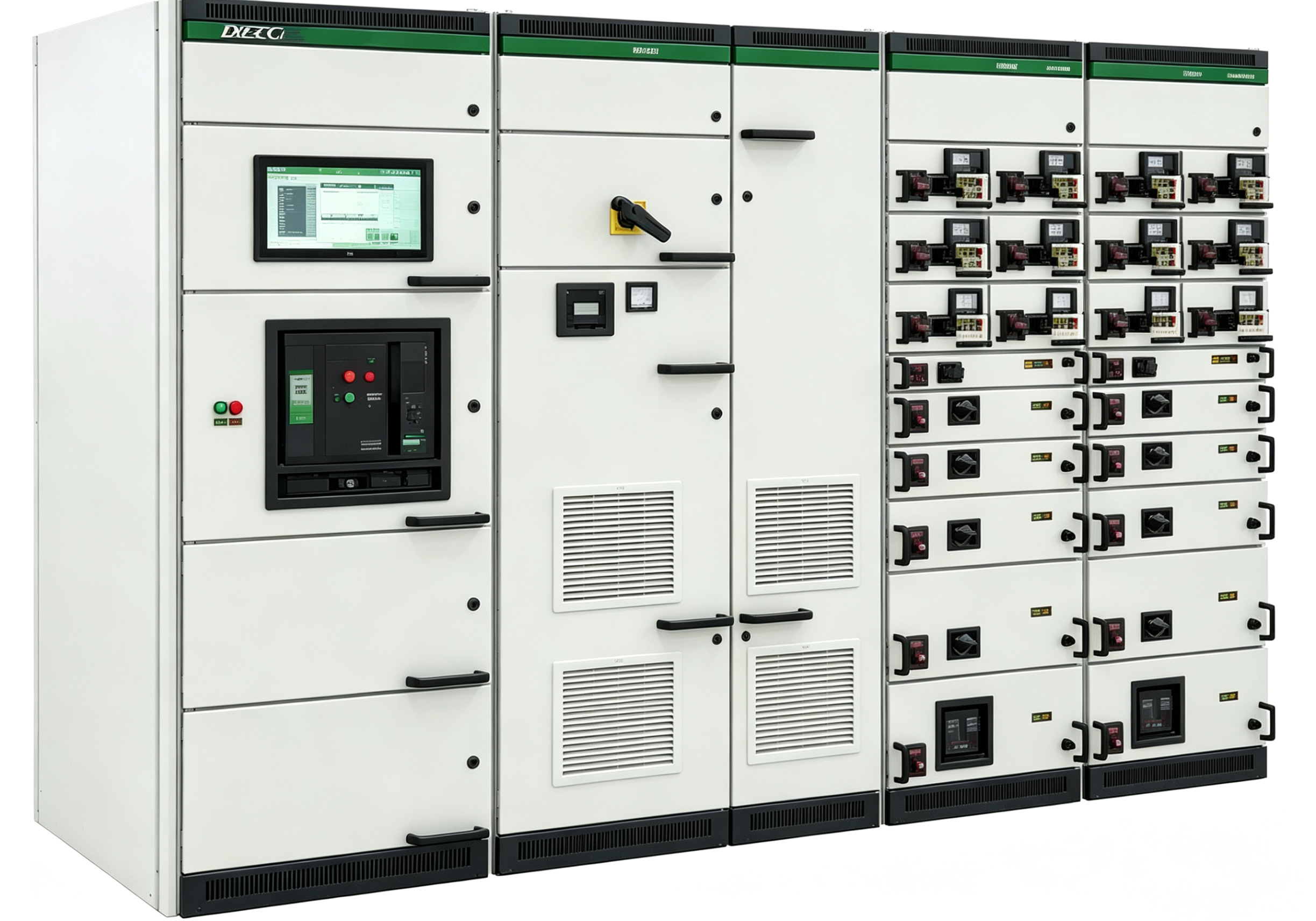
2026-10-02Low-voltage switchgear assemblies are the “body” of a distribution system — they don’t directly transform or control electrical energy, but they carry circuit breakers, busbars, meters, and other critical components, determining whether the entire distribution system can operate safely and compliantly. And in any discussion of assemblies, standards are the unavoidable starting point. On 1 March 2024, GB/T 7251.1-2023 came into force, replacing the 2013 edition. This revision is not a minor patch — it is a systematic upgrade in scope, verification logic, and design responsibility.
What the standard covers — and what it doesn’t. GB/T 7251.1-2023 applies to assemblies with rated voltages not exceeding 1000V AC or 1500V DC, designed for supply frequencies not exceeding 1000Hz, for indoor and outdoor use, with or without enclosures, fixed or movable. But the standard does not apply to individual devices and self-contained components — motor starters, power electronic converter systems, switch-mode power supplies, UPS, and power drive systems have their own product standards. The standard describes how these components are integrated into an assembly, not the components themselves.
Core changes: from “verification method” to “design responsibility.” The most noteworthy upgrade in the 2023 edition is the adjustment of the verification framework. IEC 61439-2 and subsequent parts apply together with GB/T 7251.1; for assemblies not covered by IEC 61439-3 and later, IEC 61439-2 applies. This means the “combined application” logic is clearer — GB/T 7251.1 is the general rules, and specific product types must add the requirements of subsequent parts.
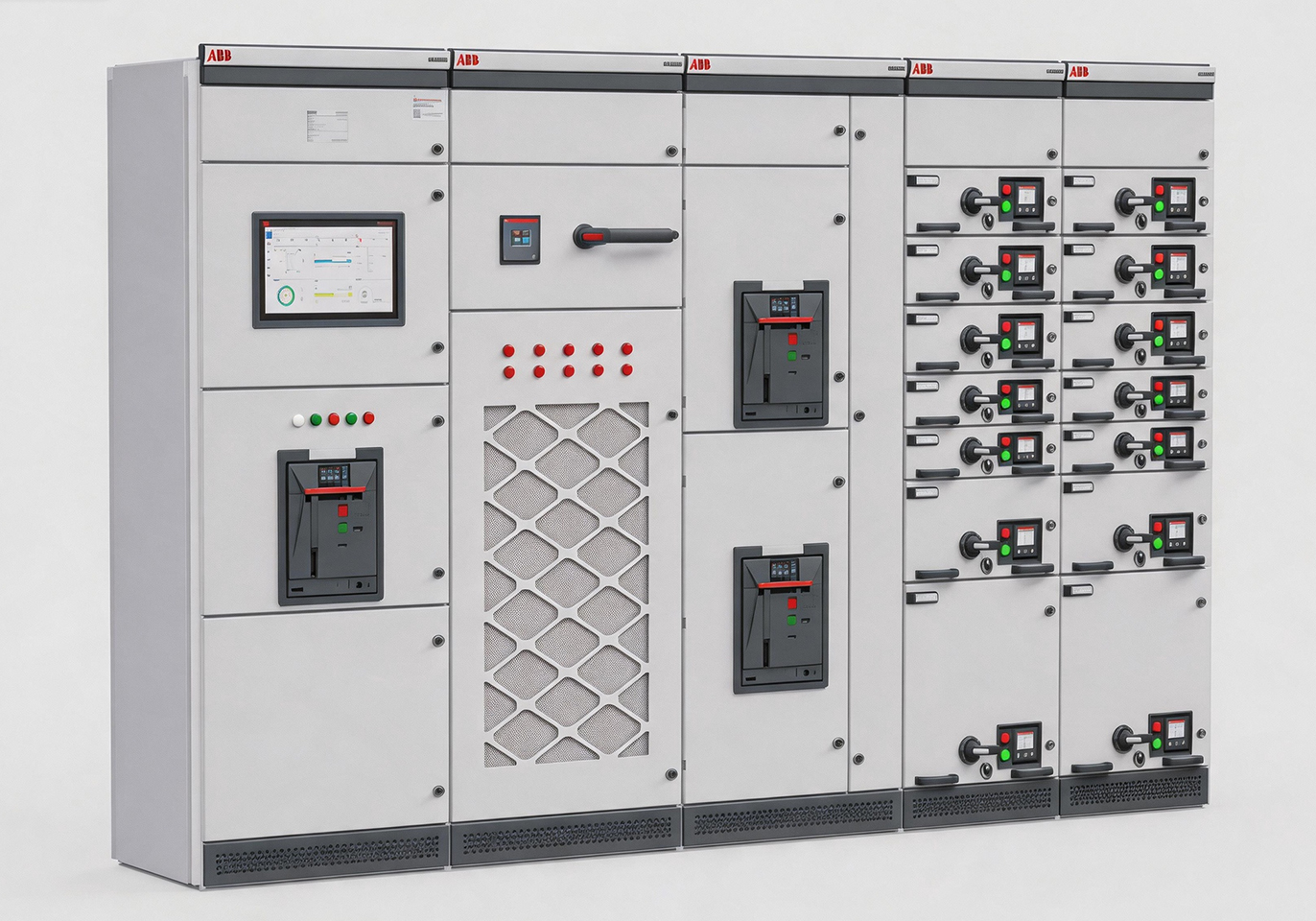
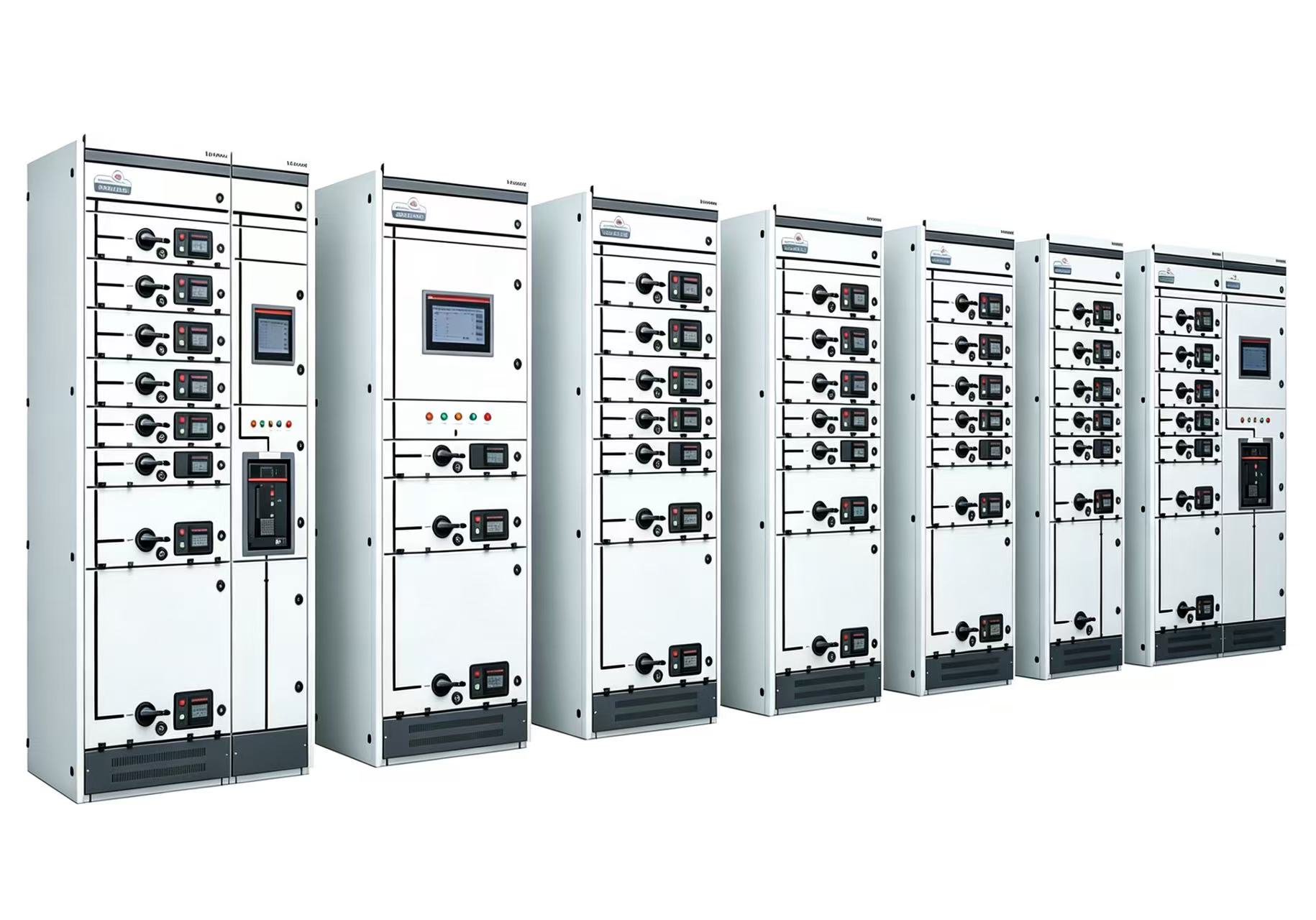
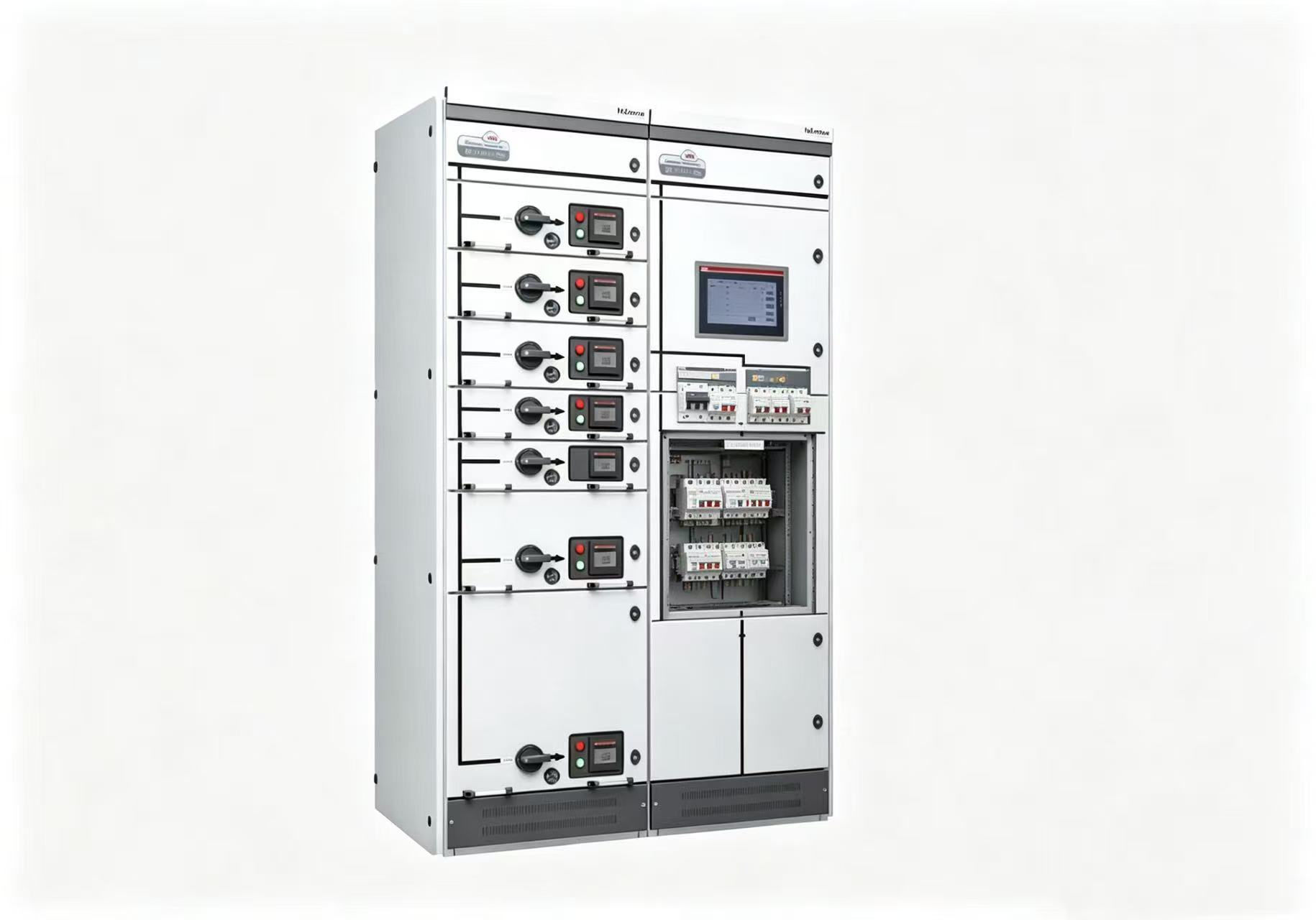
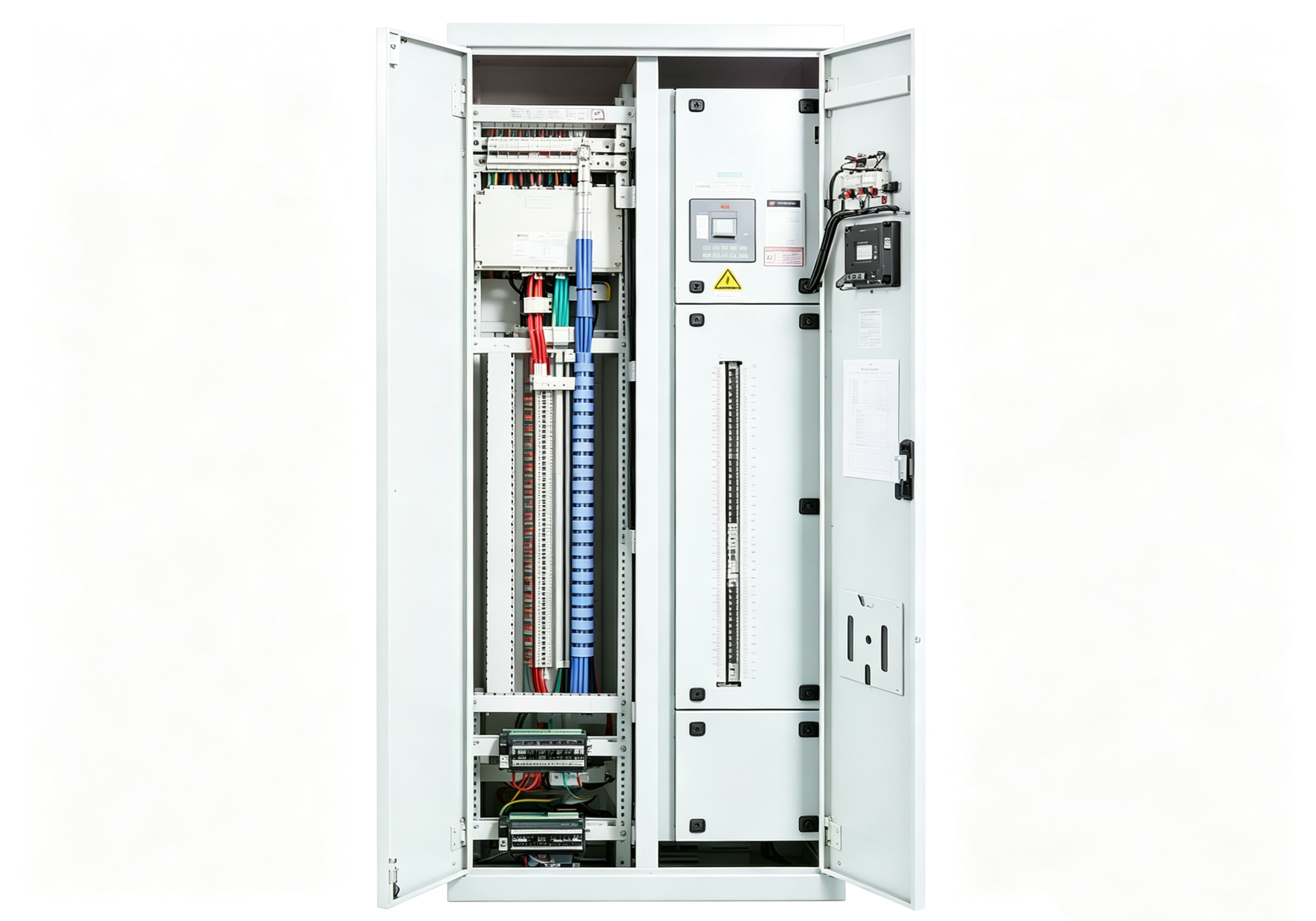
For assembly manufacturers, a key change is the clarification of the temperature-rise verification path. GB/T 24276 (equivalent to IEC/TR 60890) provides a calculation method for temperature-rise verification, applicable to enclosed assemblies or partitioned frame units without forced ventilation, up to 1600A AC or 3200A DC. This means manufacturers don’t have to perform a temperature-rise test on every cabinet — they can verify by calculation, but the accuracy of the calculation depends directly on the accuracy of the power loss data, which cannot be “guessed”Hard structural requirements — creepage distance and electrical clearance. The standard’s requirements for electrical clearance and creepage distance are mandatory. At pollution degree 3, material group IIIa, the minimum creepage distance for 660/690V rated insulation voltage is 10.0mm. In actual products, GGD switchgear requires electrical clearance ≥10mm and creepage distance ≥12.5mm; GCK switchgear also requires ≥10mm and ≥12.5mm; BlokSeT cabinets use the same ≥10mm and ≥12.5mm requirements. This means: two cabinets both labelled “380V” — one with 8mm creepage and one with 12.5mm — will have completely different lifespans in polluted environments. Using a feeler gauge during acceptance is far more useful than reading the nameplate.Ingress protection and basic protection — IP3X is the baseline. The standard specifies that the direct-contact protection on the external surfaces of low-voltage assemblies must be at least IP3X. The electrical clearance and creepage distance between protected live parts and conductive barriers or enclosures must not be less than the values specified in 7.4. Doors must require a key or tool to open, or all live parts must be de-energised before opening, or internal barriers movable only with a key or tool must be provided. GCK cabinets offer protection from IP30 to IP41, and GGD cabinets similarly allow selection as required. When choosing an IP rating, remember one principle: IP30 is sufficient for dry indoor environments, at least IP41 for dusty or humid environments, and IP54 or above for outdoor or moisture-laden locations. The higher the IP rating, the harder heat dissipation becomes, and the more critical internal temperature rise control becomes.The compliance baseline — routine and confirmatory tests. According to production quality control requirements, routine tests (100%, every unit) for assemblies include: wiring, operating performance and function; verification of electrical clearance and creepage distance; protection against electric shock and integrity of protective circuits; combination of built-in components; internal circuits and connections; external conductor terminals; mechanical operation; dielectric properties; and verification of earthing continuity between exposed conductive parts and the protective circuit. Confirmatory tests are performed per batch or at least annually, with more comprehensive scope. During acceptance, test reports must include raw records — time, temperature, humidity, test equipment number, tester signature. A report with only the word “pass” and no data is equivalent to no test at all.