
NewsNEWCENTER
Featured products

Contact Us
Structural Types of Low-Voltage Switchgear — Fixed, Draw-Out, or Fixed-Partitioned: Which One Should You Choose?
2026-10-02Low-voltage switchgear assemblies come in three mainstream structural types: fixed, draw-out, and fixed-partitioned. There is no “best” among them — only “which one fits your scenario.” Choose wrong, and you either waste money or suffer in operation — a draw-out cabinet used where frequent operation isn’t needed wastes the extra cost; a fixed cabinet used where components need frequent replacement makes every maintenance job like “demolishing a house.”
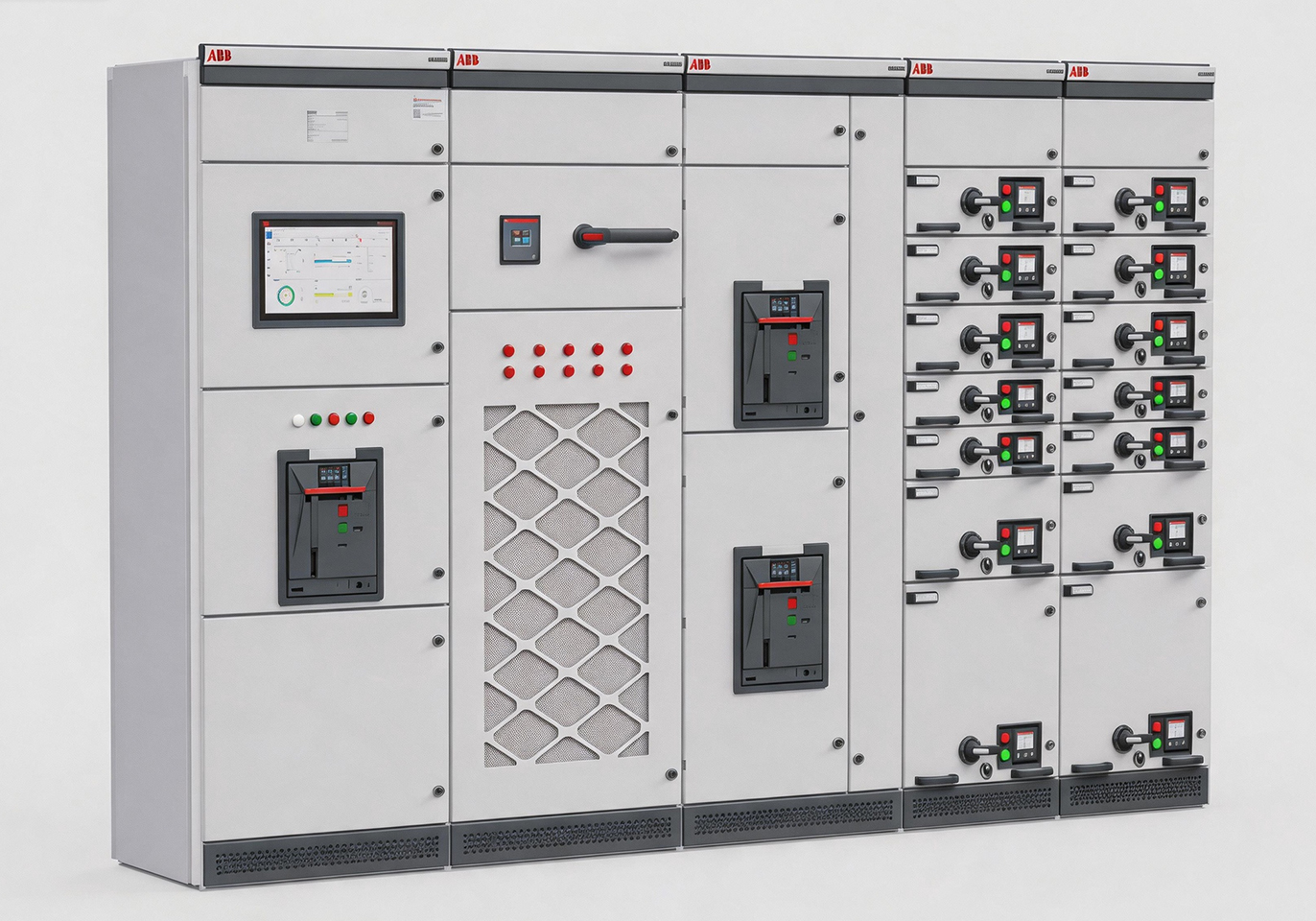
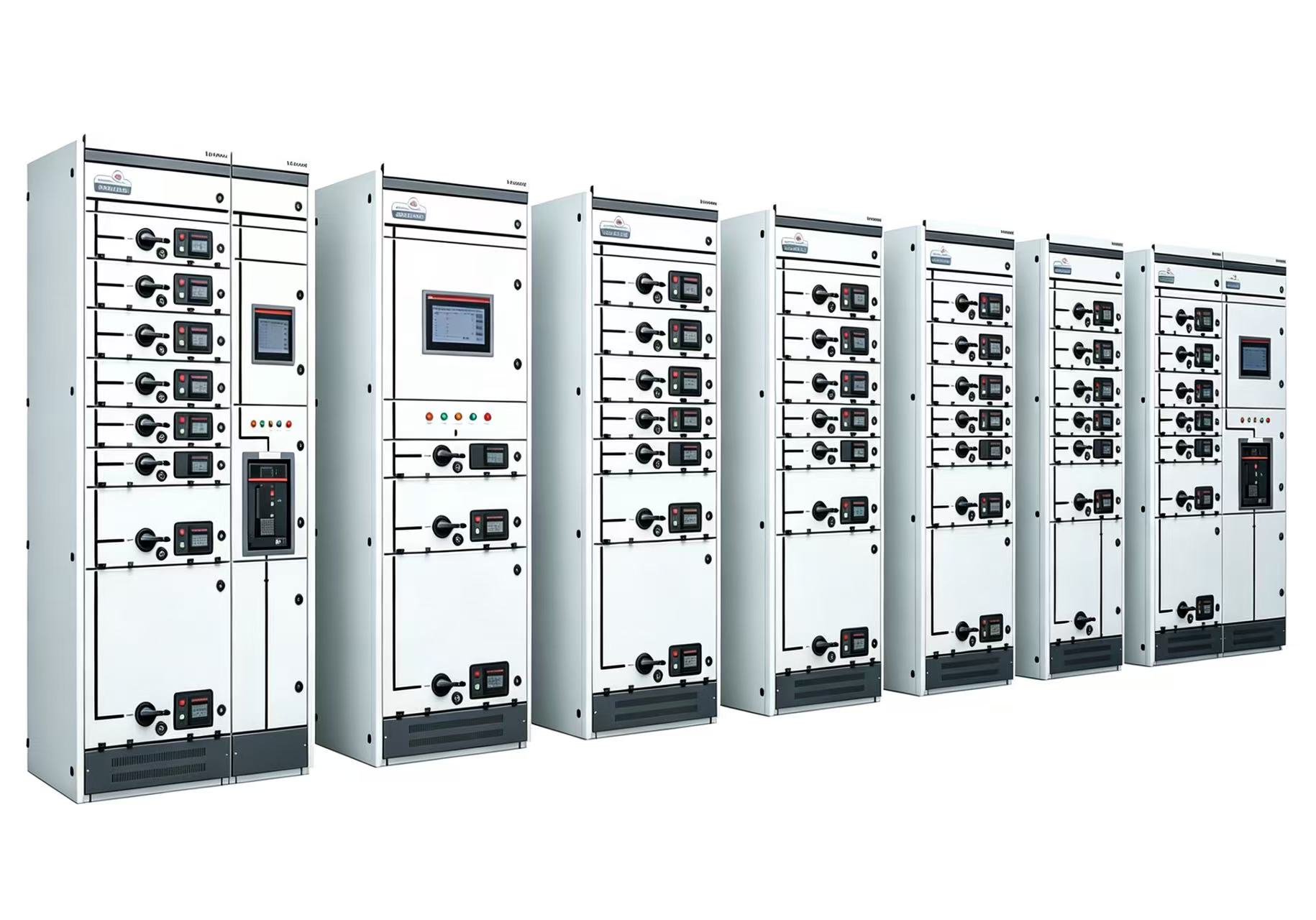
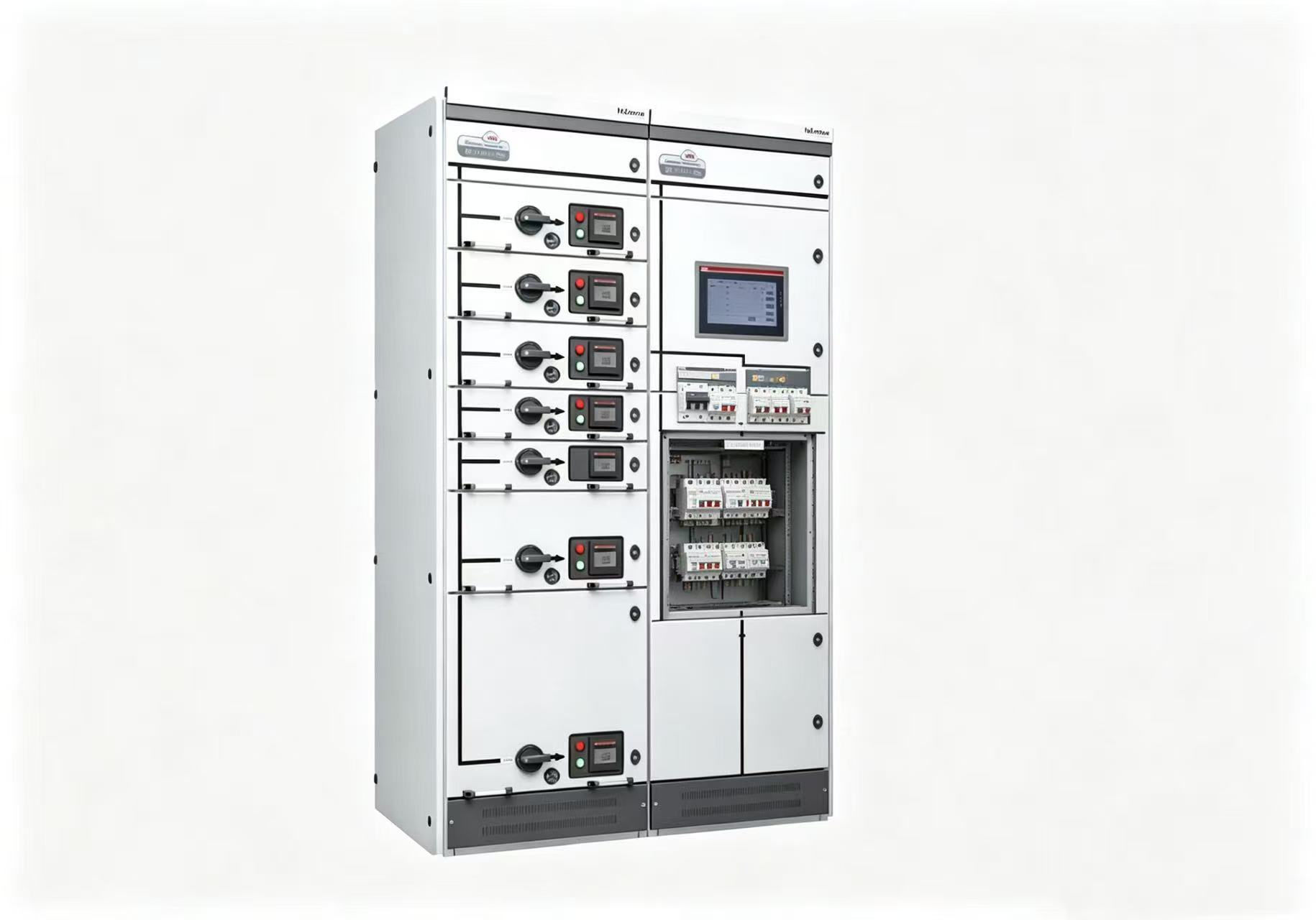
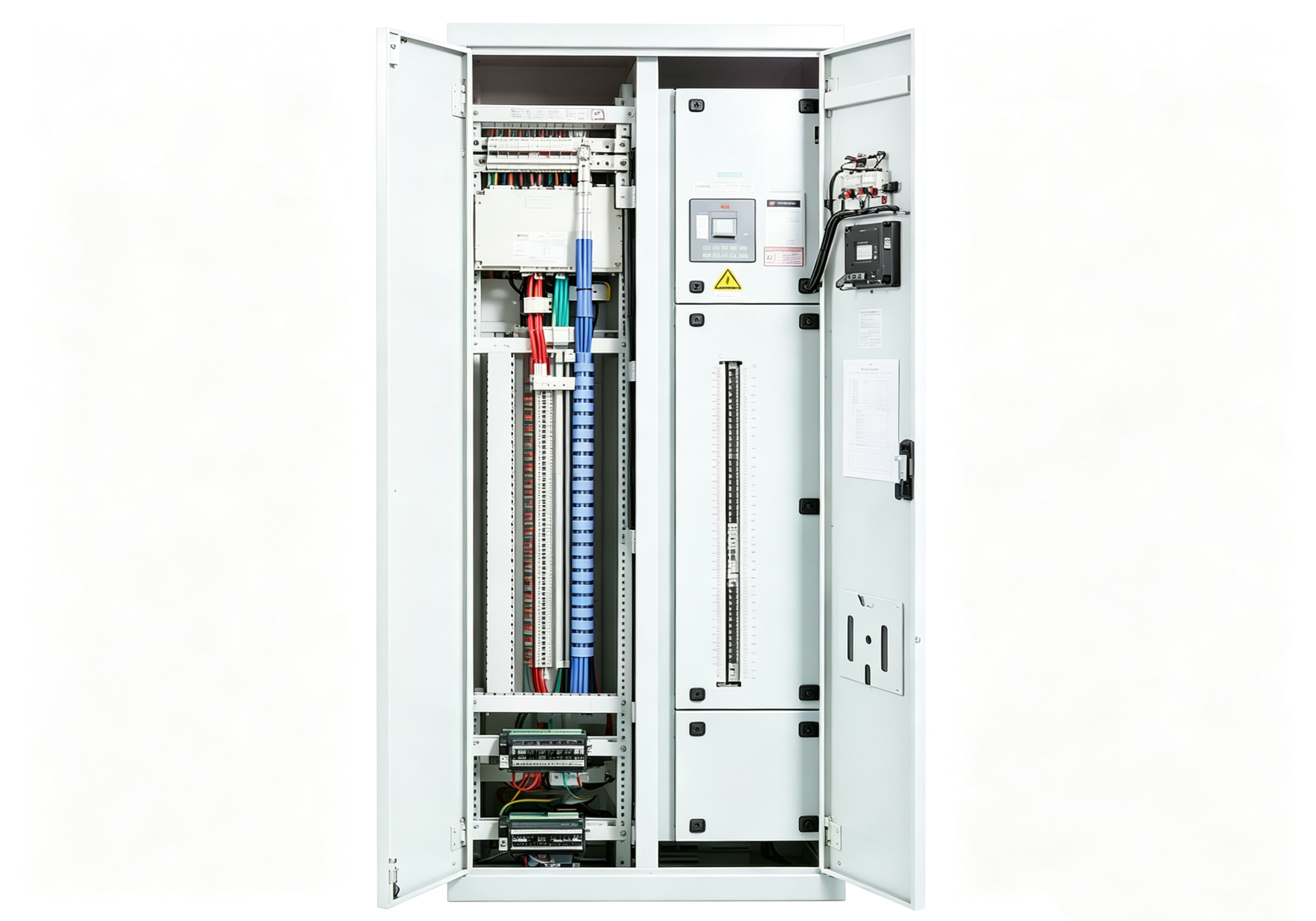
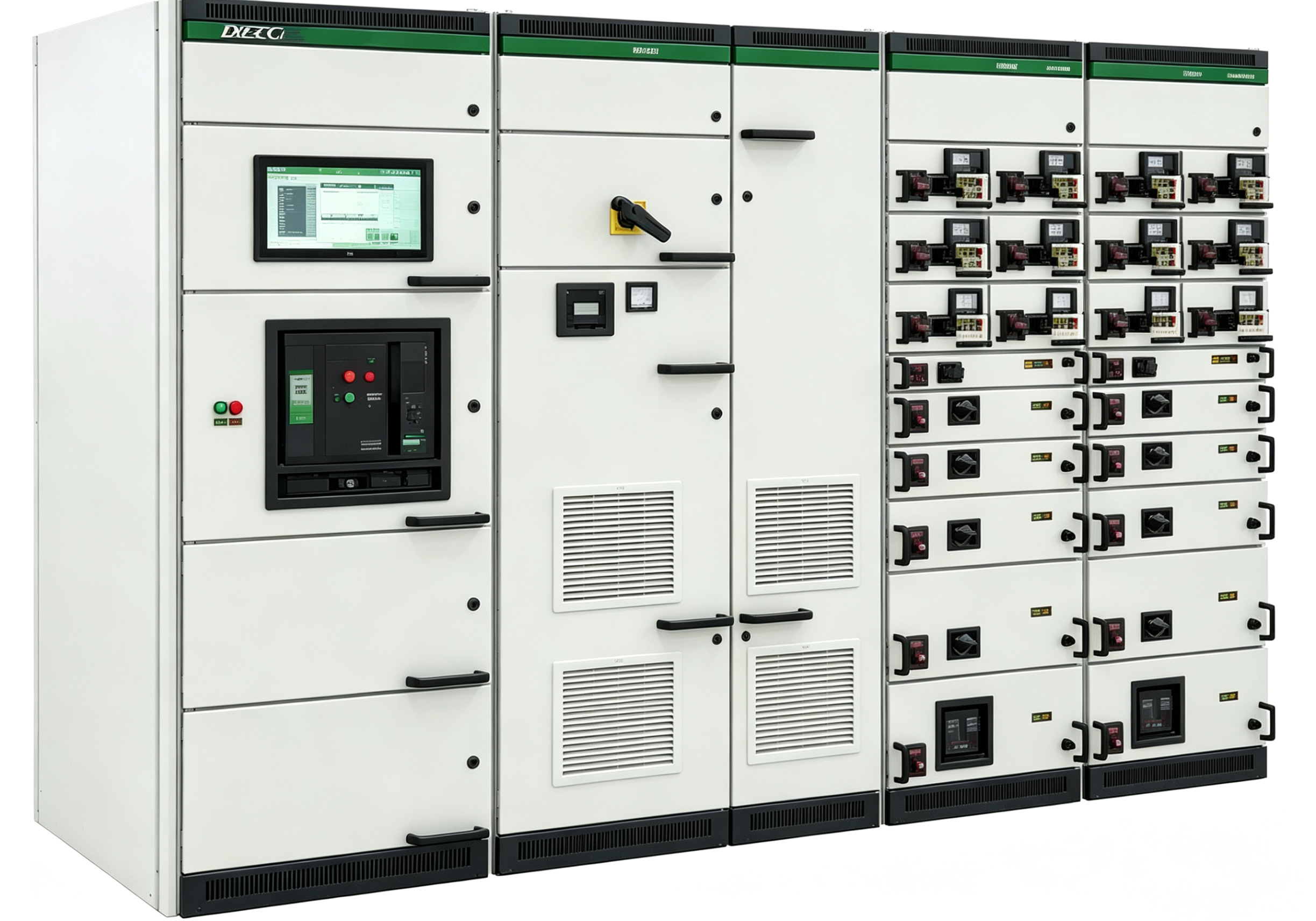
Fixed type: simplest structure, lowest cost. The fixed type is the most traditional and basic. All components are mounted directly on fixed mounting plates inside the cabinet, with no movable drawers or carriages. Advantages: simple structure, low cost, direct and reliable busbar connections. Disadvantage: maintenance requires de-energisation — replacing one circuit breaker means de-energising the entire busbar section, then disconnecting wires, removing the component, installing the new one, and reconnecting. For applications requiring frequent operation or component replacement, the fixed type is a “disaster.” The GGD switchgear is a typical representative of the fixed type. Its frame is assembled from 8MF cold-formed steel with local welding, components arranged on an E=20mm modular pattern, and the cabinet has ventilation slots top and bottom for natural convection. Technically, GGD supports rated currents up to 6300A, with main busbar short-time withstand currents of 30kA, 50kA, or 80kA. This type suits stable loads where components don’t need frequent replacement — incoming cabinets, bus-tie cabinets, compensation cabinets.Draw-out type: easiest maintenance, highest cost. The draw-out (withdrawable) type makes each functional unit a separate “drawer” on rails inside the cabinet. The drawer can be racked to “service,” “test,” and “disconnected” positions. In the service position, both main and auxiliary circuits are connected; in the test position, the main circuit is open but auxiliary circuits remain connected for control testing; in the disconnected position, everything is open and the drawer can be withdrawn. The core advantage is fast maintenance — a faulty drawer can be swapped with a spare in minutes, restoring supply without disconnecting wires or de-energising the entire busbar. But the drawbacks are clear: higher cost — rails, plug-in contacts, and mechanical interlocks add cost; contact points prone to heating — plug-in contacts are moving contacts with higher contact resistance than fixed connections, prone to heating over time. GCK switchgear is a typical draw-out representative, with a frame assembled from 25mm C-profile and corner connectors, standard 25mm modularity, and drawer unit heights of 200/400/600mm. Suitable for frequent operation and fast recovery — MCC cabinets, distribution cabinets requiring frequent circuit adjustment.Fixed-partitioned type: the compromise, reliability first. The fixed-partitioned type divides the cabinet into multiple independent compartments, each functional unit installed in its own compartment, with metal partitions between units. The difference from draw-out: functional units are fixed, not withdrawable; but compartments are independent, so a fault in one doesn’t affect adjacent ones. The difference from fixed: fixed type has all components in one large space; fixed-partitioned is “one cell at a time.” Schneider BlokSeT is a typical fixed-partitioned representative. BlokSeT divides the switchgear into independent compartments — busbar compartment, component compartment, cable compartment — with strict separation of component zone, busbar zone, wiring zone, and instrument zone by metal partitions. The main busbar, through a unique ventilated roof design, achieves up to 7000A ampacity. The advantages: high reliability — metal partitions isolate fault arcs, preventing escalation; good space utilisation — more compact than draw-out; moderate cost — lower than draw-out, slightly higher than fixed. Suitable where reliability is critical but frequent drawer withdrawal is not needed — data center distribution, hospital distribution.Comparison of the three types. In maintenance convenience: fixed is poor (requires de-energisation and wire disconnection), draw-out is excellent (swap drawers directly), fixed-partitioned is moderate (work within compartments). In fault isolation: fixed is poor, draw-out is moderate, fixed-partitioned is excellent (metal partitions). In cost: fixed is lowest, draw-out is highest, fixed-partitioned is medium. In contact reliability: fixed is high, draw-out is moderate (moving contacts), fixed-partitioned is high. Typical cabinet types: GGD for fixed, GCK for draw-out, BlokSeT for fixed-partitioned. Applicable scenarios: fixed for stable loads without frequent operation; draw-out for frequent operation and fast recovery; fixed-partitioned for reliability priority and compact space.
The three-question method for selection decisions. First: does your load require frequent operation or replacement? If a circuit breaker is operated dozens of times a year, or equipment is updated frequently requiring component replacement, draw-out is the only choice. If the load is stable and rarely changed after commissioning, fixed or fixed-partitioned is more economical. Second: how high are your fault isolation requirements? If you want a short circuit in one unit confined to that unit without affecting adjacent circuits, fixed-partitioned or draw-out is necessary. In fixed type, all components are in one large space, and an arc flash in one unit can affect the entire cabinet. Third: what is your budget? Draw-out typically costs 1.5–2 times fixed. If budget is tight and the load is stable, fixed is perfectly adequate. If budget allows and reliability is required, fixed-partitioned offers the best compromise.
There is no “best cabinet type” — only the “most suitable cabinet type.” Fixed saves money, draw-out saves time, fixed-partitioned saves worry — see what your scenario needs to save most.