
NewsNEWCENTER
Featured products

Contact Us
On-Site Acceptance of Low-Voltage Switchgear — Essential Checks and Common Problems
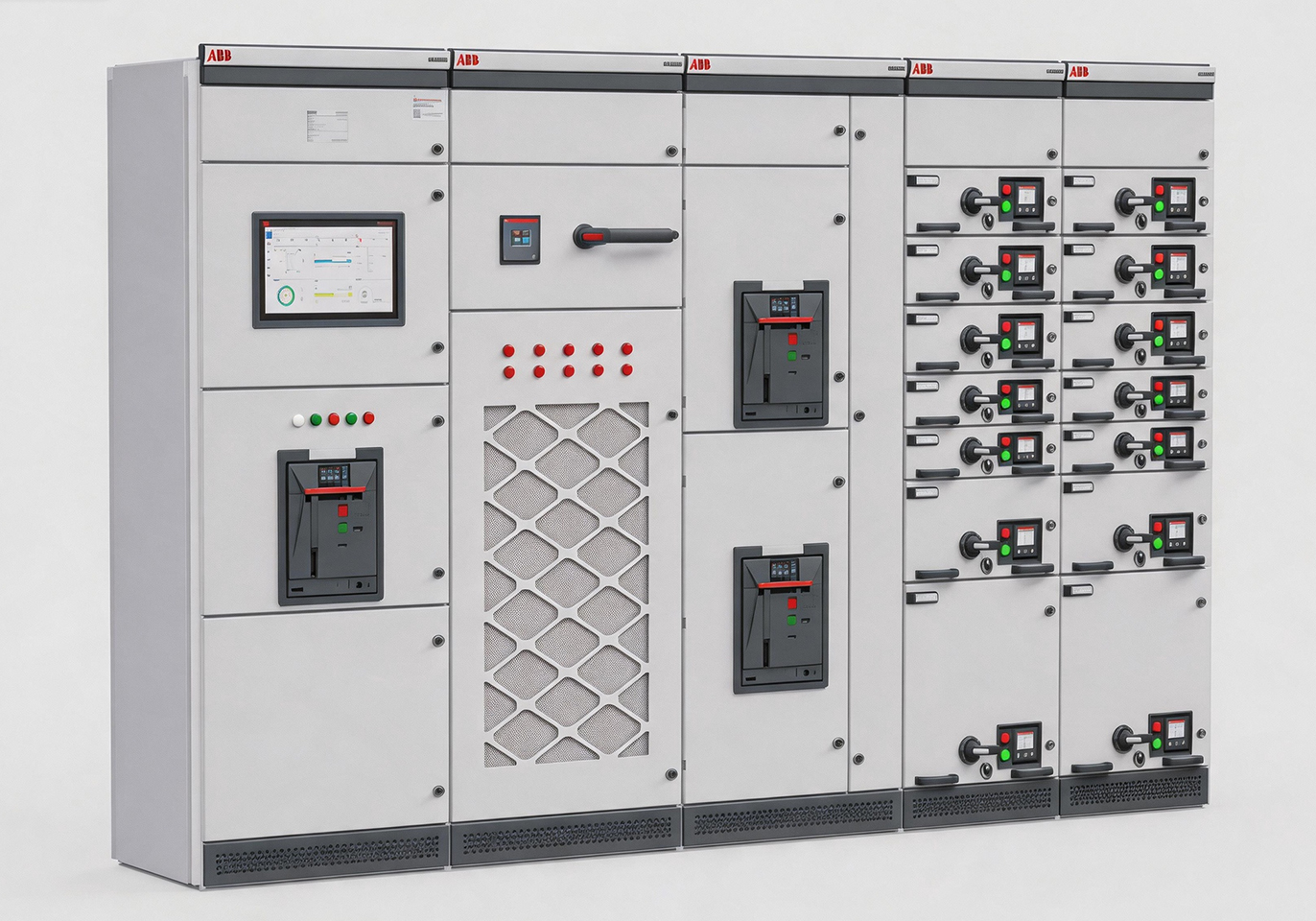
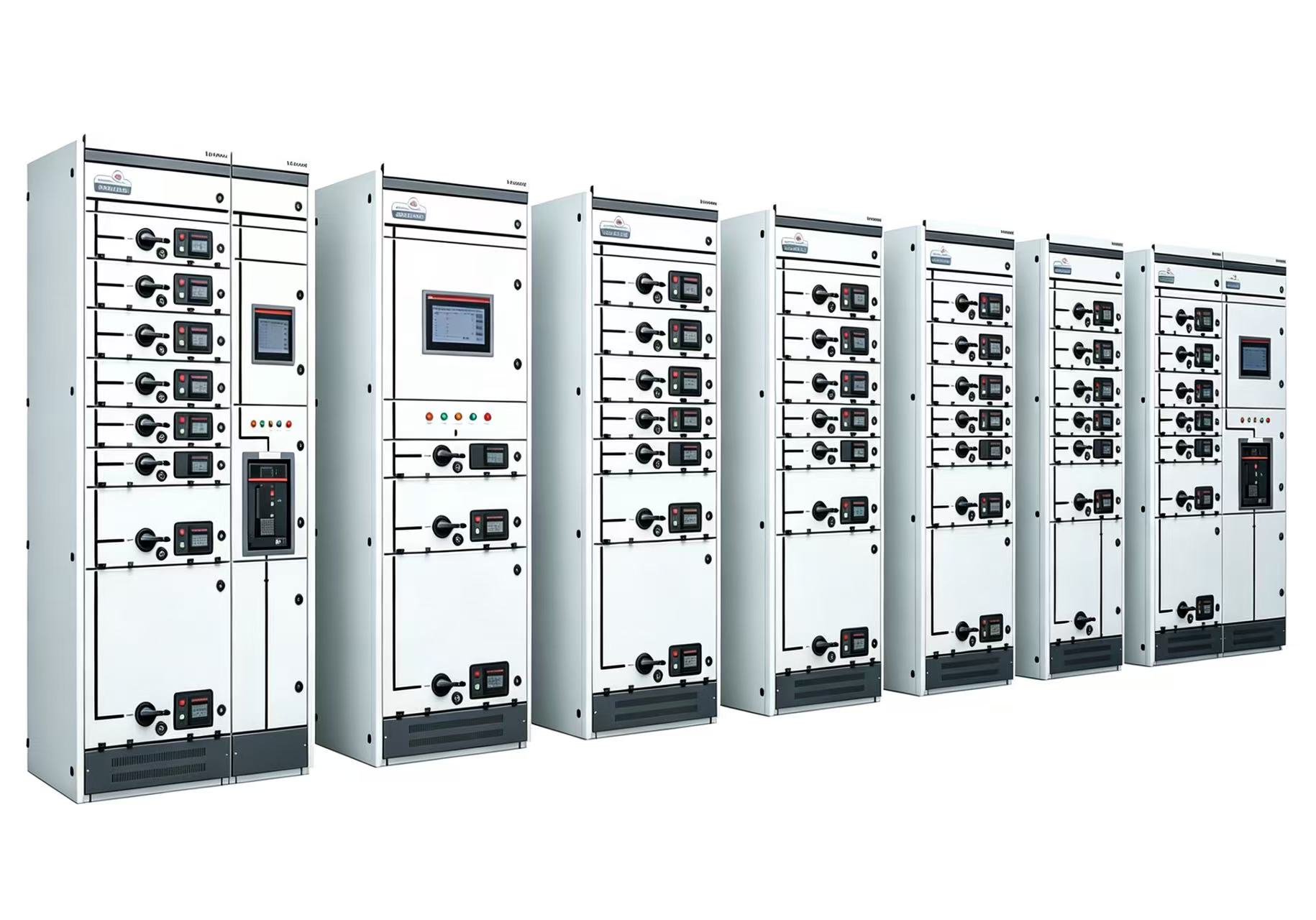
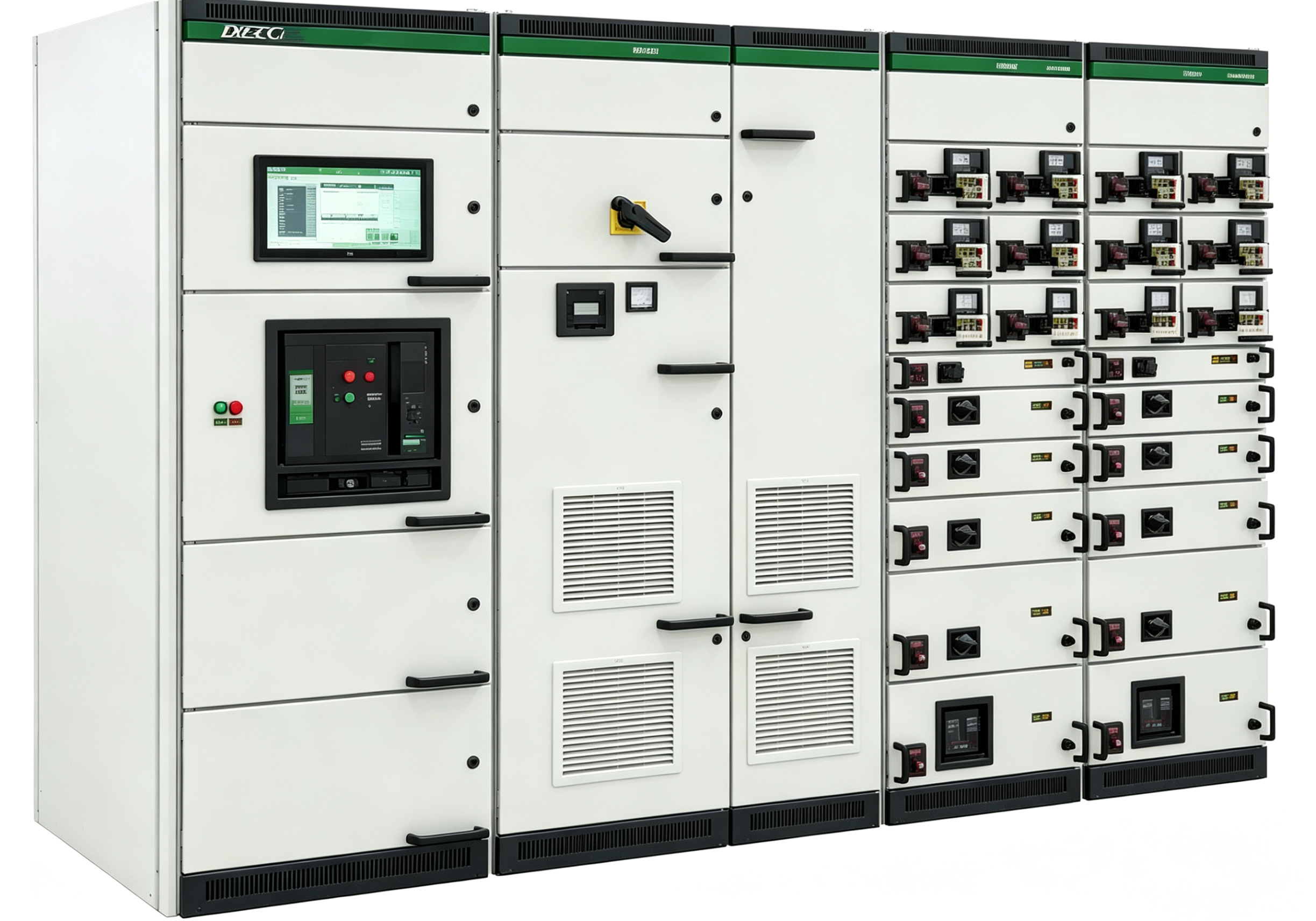
2026-10-02After low-voltage switchgear arrives on site, acceptance is the “last line of defence.” No matter how well factory tests were performed, vibration, moisture, and component loosening during transport can plant hidden hazards. But in reality, many on-site acceptances are just “take a look, sign the paper” — the checks that should be done are not done, the problems that should be found are not found, and regret comes only after energisation failure.Essential check one: visual and mechanical inspection. Check for enclosure deformation, paint damage, component damage, and clear labelling. Rows of cabinets should have face deviation ≤5mm and verticality error ≤1.5‰. Carriage and draw-out assemblies should be flexible to push and pull without jamming or collision; moving contacts should align with fixed contacts, and contact should be tight; when inserting, the earthing contact should make contact before the main contact; when withdrawing, the earthing contact should separate after the main contact. This point is particularly important — if the earthing contact makes contact after the main contact, the operator could touch live main contacts first, creating an electric shock risk.
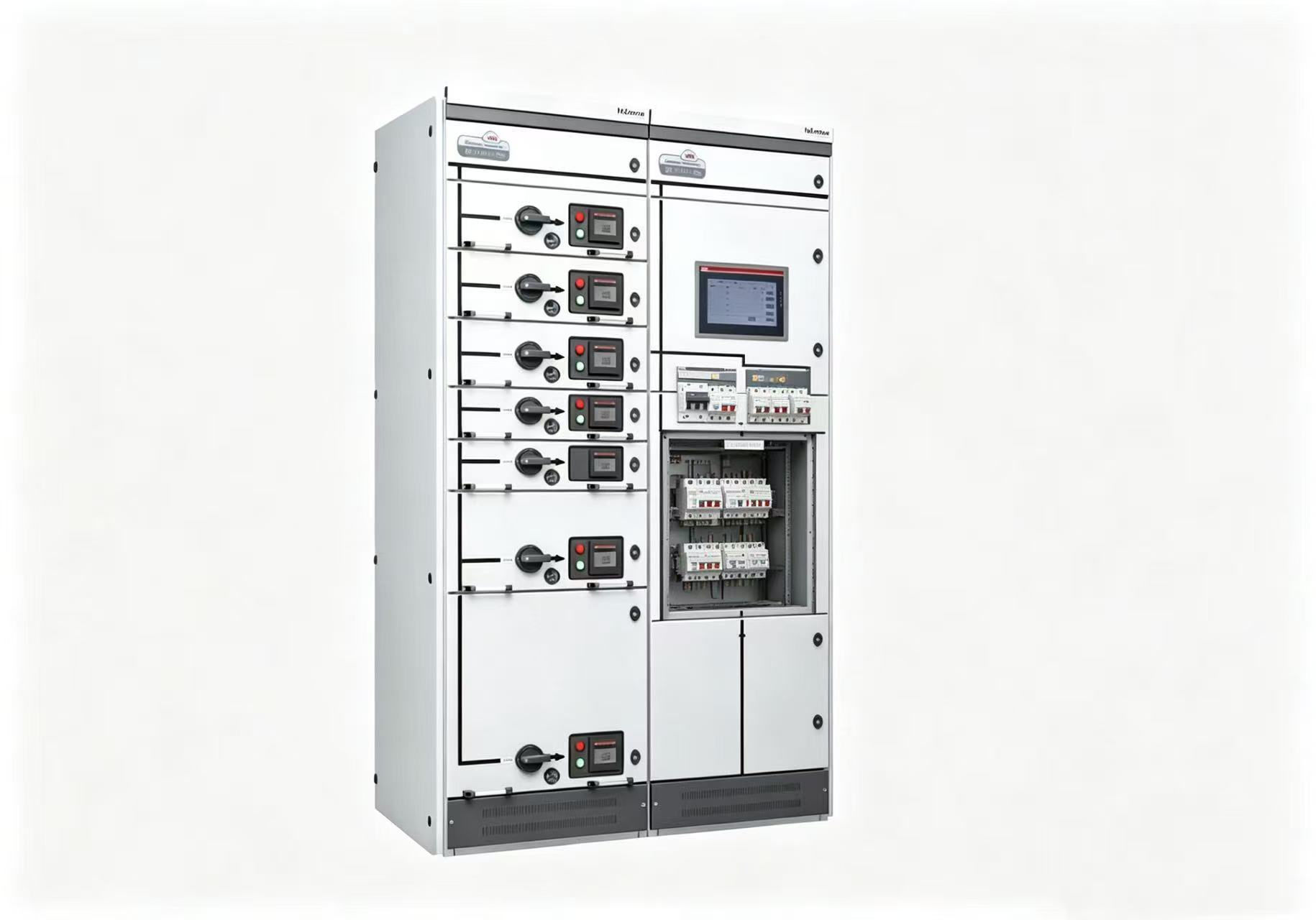
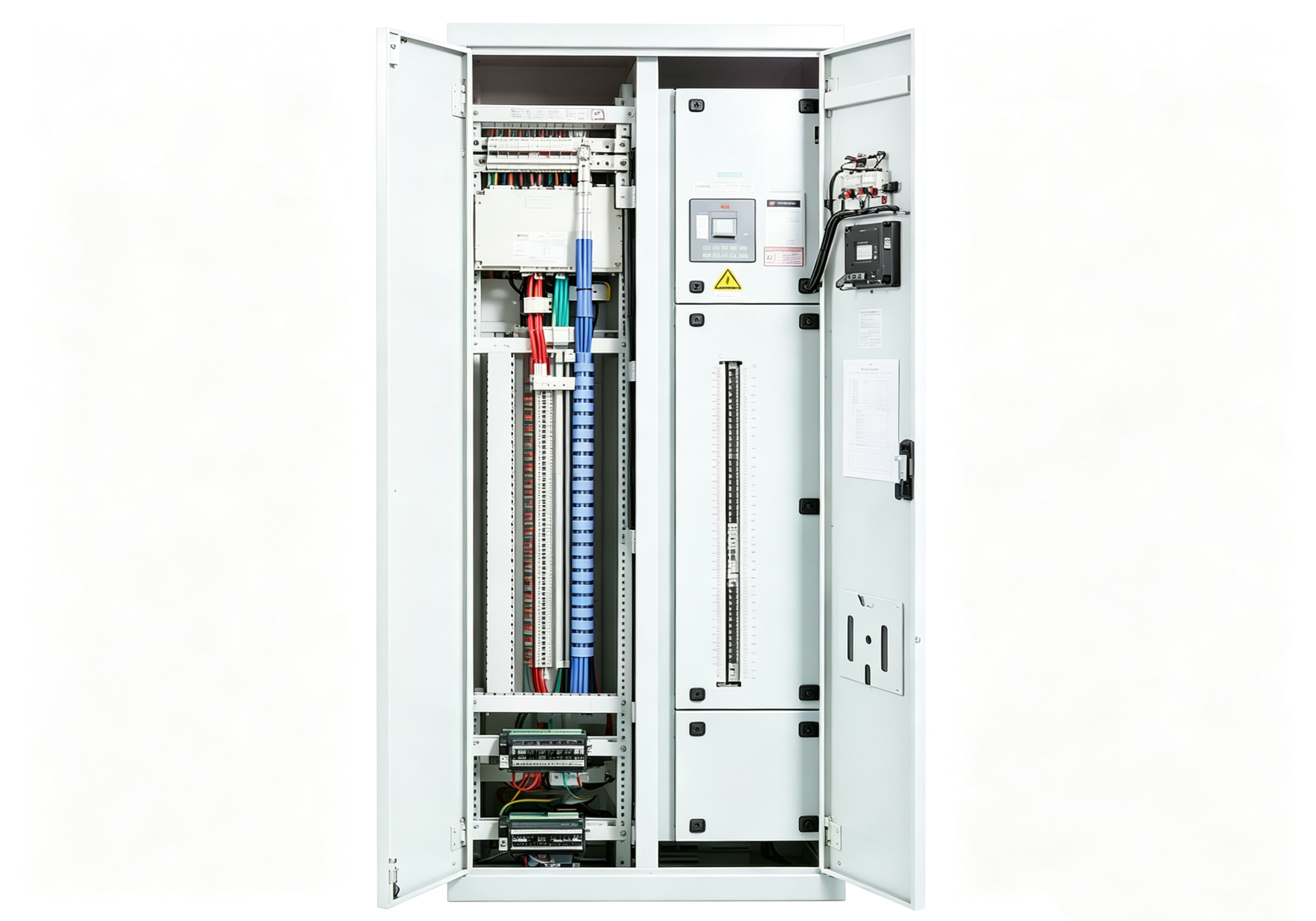
Essential check two: wiring and busbar inspection. Check against drawings for correct connections, complete ferrules, and tightened terminals. Busbars and branch lines should be colour-coded for phase sequence: phase A, B, C as yellow, green, red respectively, and phase sequence arrangement should match design drawings. Use a 0.05mm feeler gauge on busbar joints; insertion depth must not exceed 5mm.
Essential check three: insulation testing. For low-voltage assemblies and feeder circuits, the insulation resistance between phases and phase-to-earth for each distribution switch and protection device should not be less than 0.5MΩ. Before testing, all electronic components must be disconnected (PLCs, meters, SPDs), otherwise the megohmmeter’s high voltage will damage them. When insulation resistance exceeds 10MΩ, a 2500V megohmmeter should be used Essential check four: earthing continuity. Metal frames and foundation channels of cabinets, desks, and boxes should be reliably connected to the protective conductor; for openable doors equipped with electrical devices, the earthing terminal between the door and metal frame should be connected with a green-yellow insulated copper flexible conductor of cross-section not less than 4mm², with identification. Barriers and gates of static compensation devices should be reliably connected to the protective conductor with bare braided copper of cross-section not less than 4mm². Inspection method: visual check and torque wrench check — not just “looks connected,” but confirmed tight with a torque wrench.
Essential check five: five-prevention interlock testing. Interlock acceptance cannot rely on “reading the manual”; actual operational verification is mandatory. With the breaker closed, attempt to open the door — it should not open; attempt to rack the drawer — it should not rack; with the earthing switch closed, attempt to close the breaker — it should not close. Switchgear should have complete five-prevention interlocking, with mechanical interlocking required.
Essential check six: protection setting verification and energisation testing. Verify that circuit breaker and protection device settings match design drawings. First energise with no load, measure voltage and phase sequence, then gradually load after confirming normal. Observe for abnormal sounds, odours, or heating during energisation.Common problems and pitfalls. First: checking only appearance and not wiring. Appearance is the “face,” wiring is the “substance.” A cabinet with wrong wiring but a beautiful exterior may short-circuit immediately on energisation. Second: not disconnecting electronic components during insulation testing. This is the most common “acceptance accident” — the megohmmeter’s high voltage damages PLCs, meters, and SPDs, and the acceptance personnel don’t even realise it. Third: interlocks only “looked at,” not “tested.” Interlocking devices “look installed,” but whether they actually function must be verified by operation. Some cabinets have interlocks installed incorrectly, and doors still open when the breaker is closed. Fourth: earthing checked “visually.” Earthing terminal tightness must be confirmed with a torque wrench; visual inspection cannot determine whether torque is sufficient