
ProductPRODUCT
Featured products



Contact Us
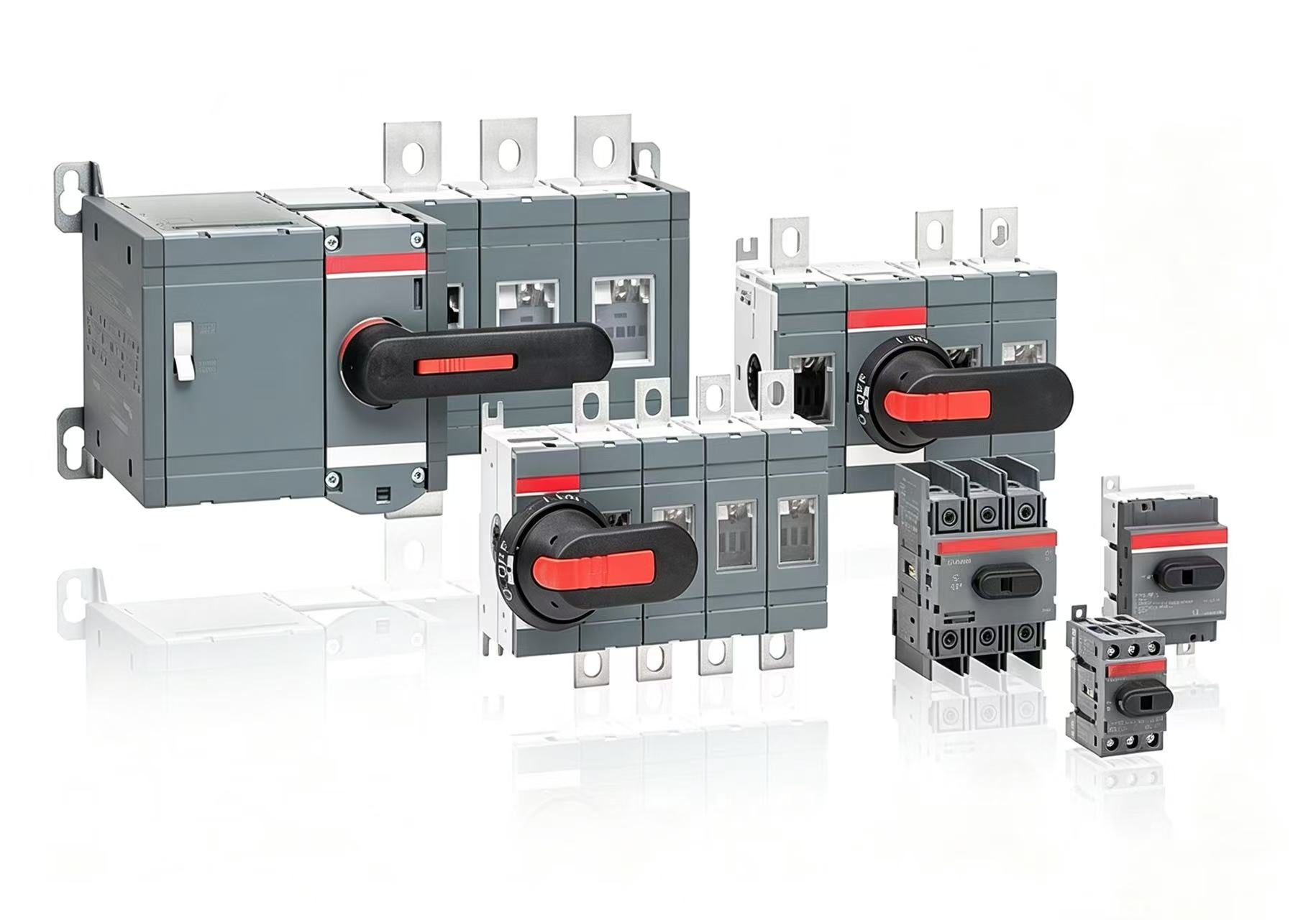
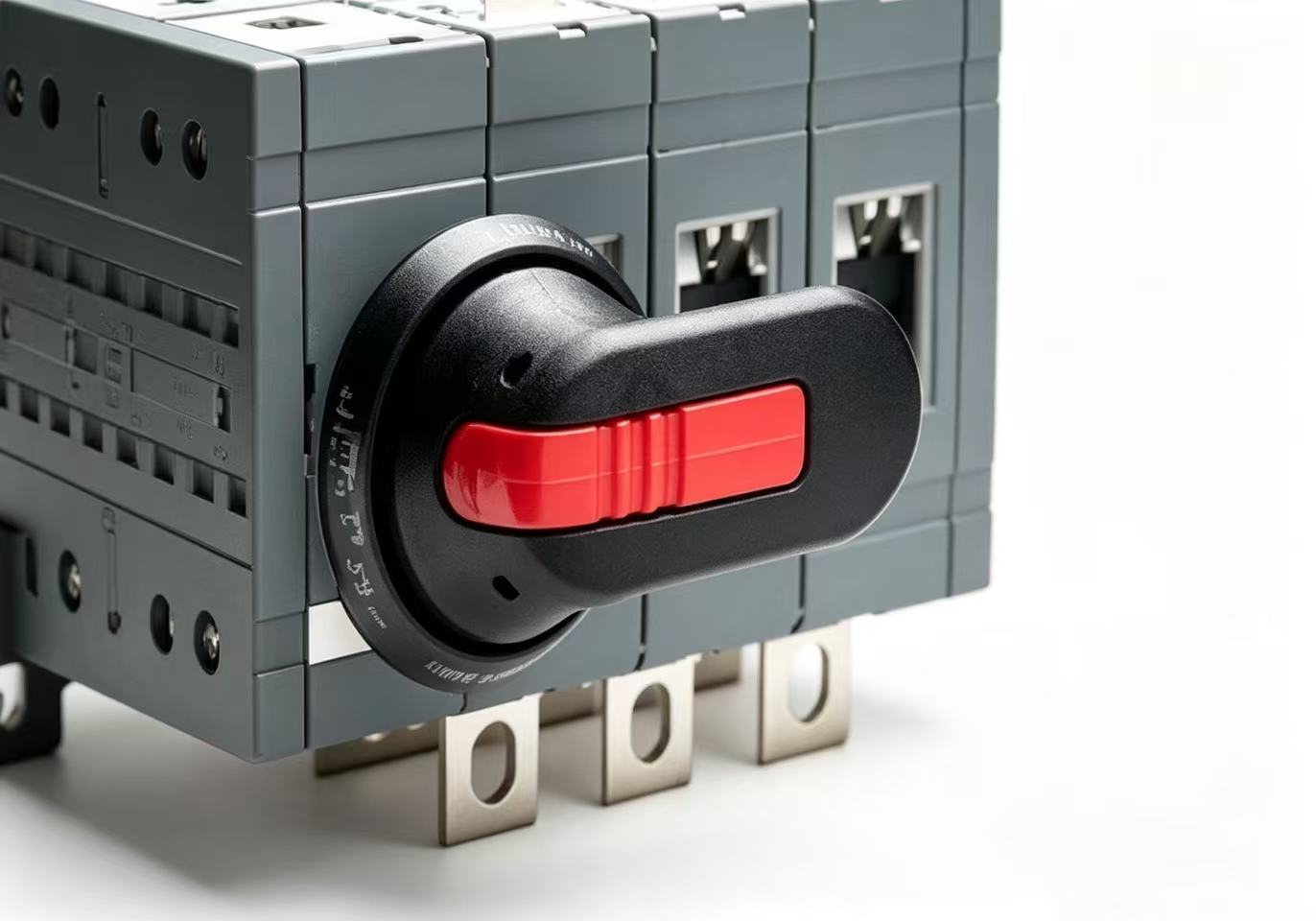
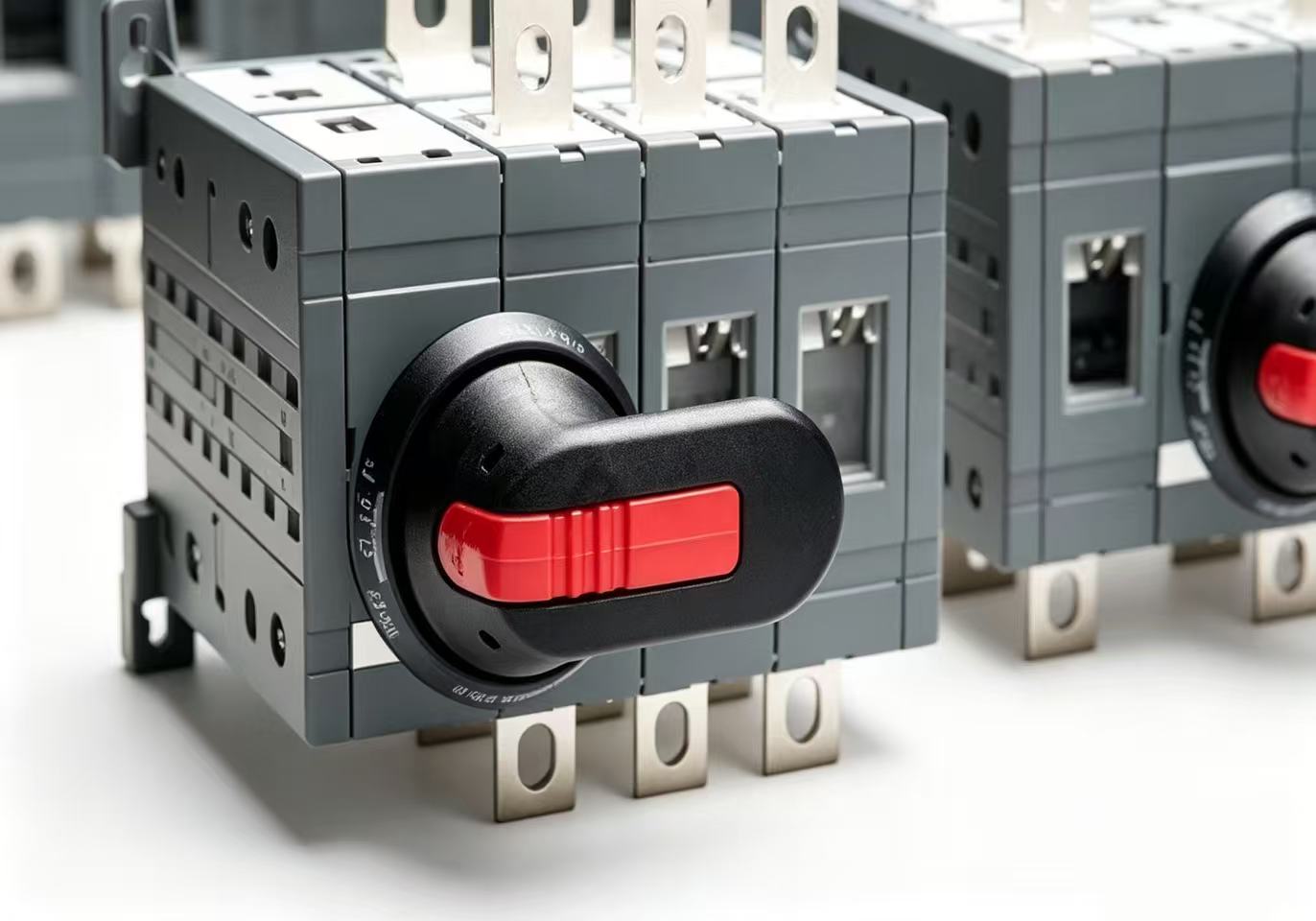
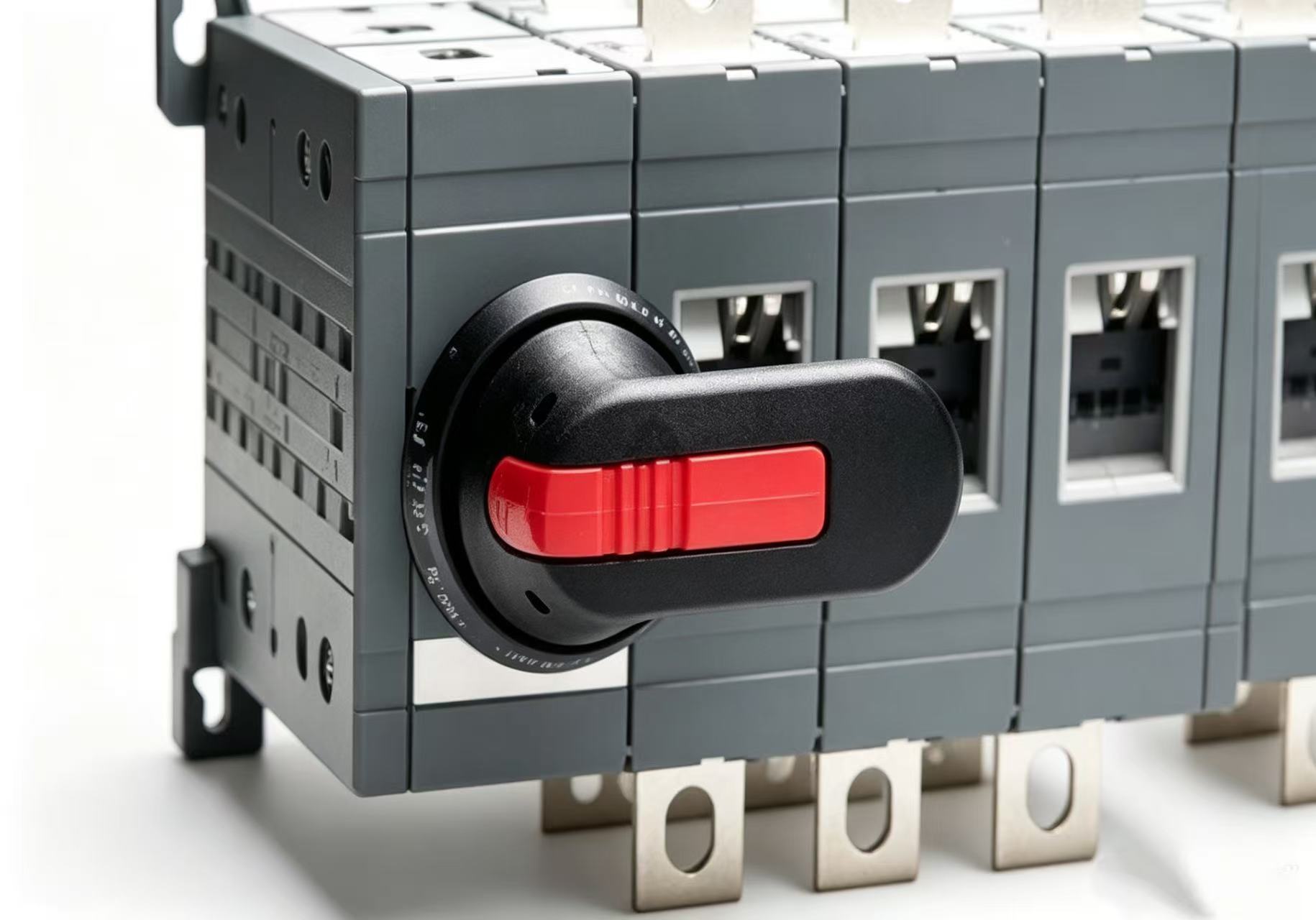
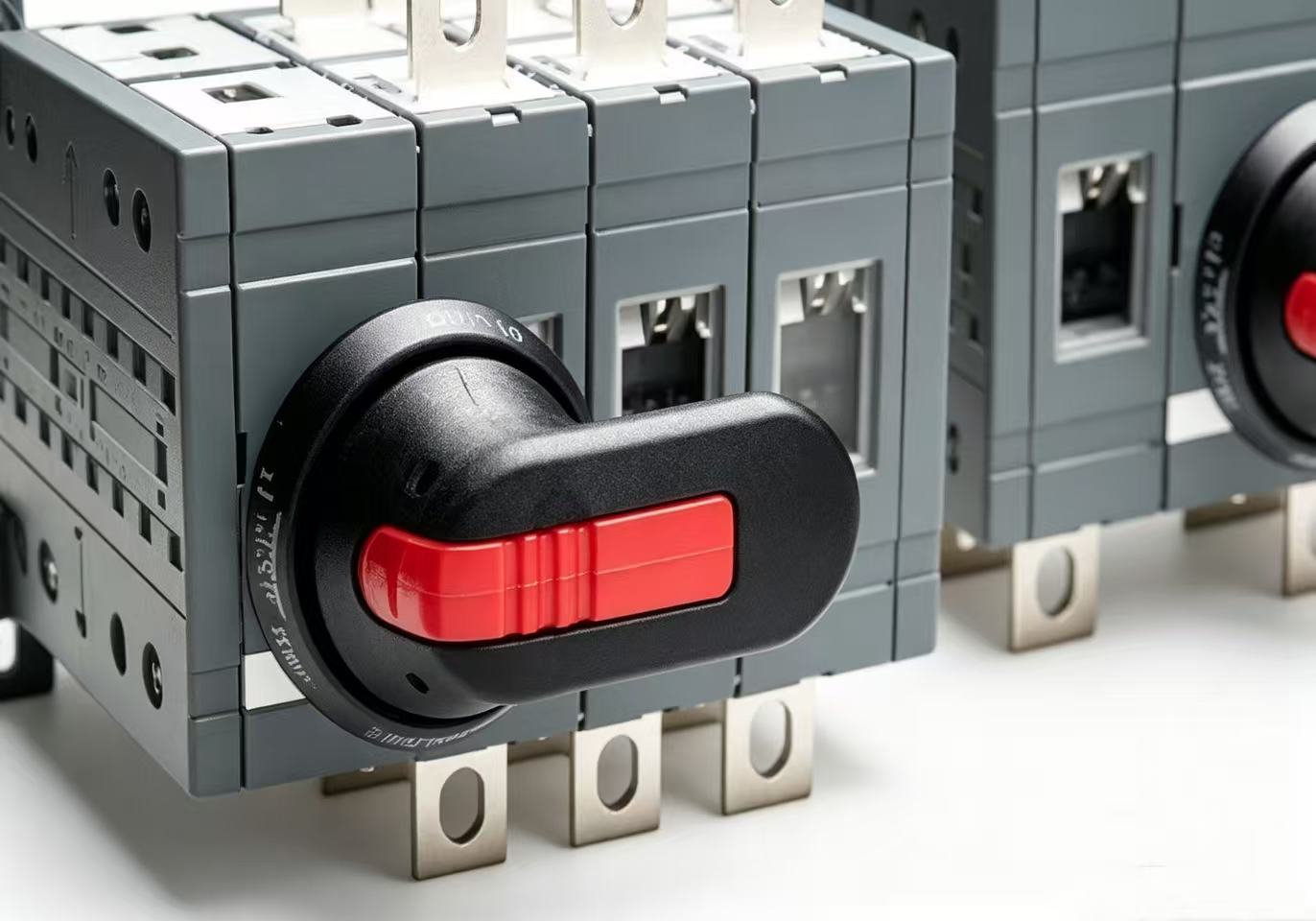
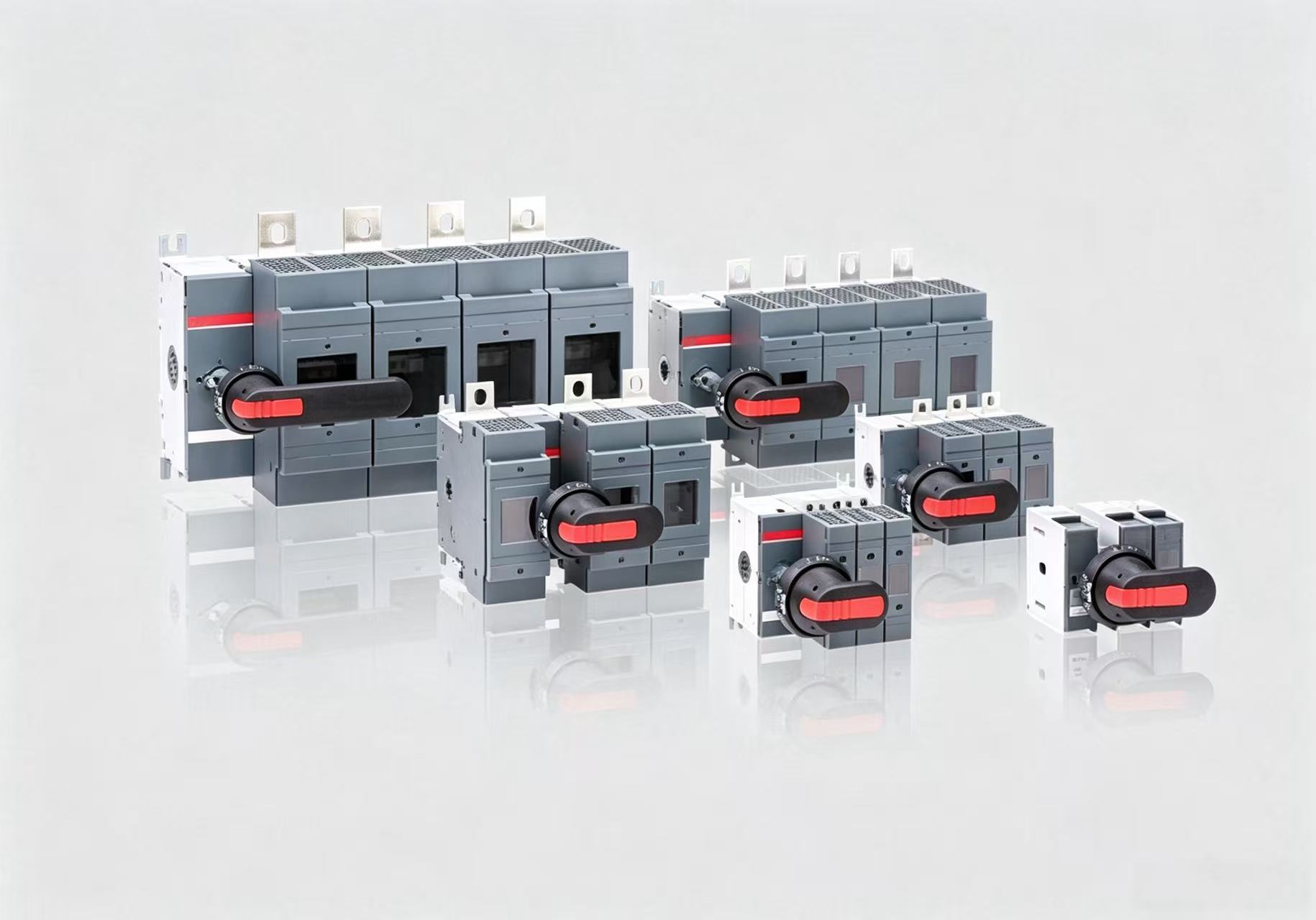
- 220V-690V
- 16A~3200A
- 2P、3P 、 4P
- IP20~IP54
Rated operational voltage: AC 220V to 690V, compatible with 50Hz or 60Hz
Rated operational current: Ranges from 16A to 3200A, covering diverse load requirements
Number of poles: Selectable 2P, 3P, or 4P
Automatic transfer time: Adjustable from 1 second to 5 seconds (fast-response customizations available)
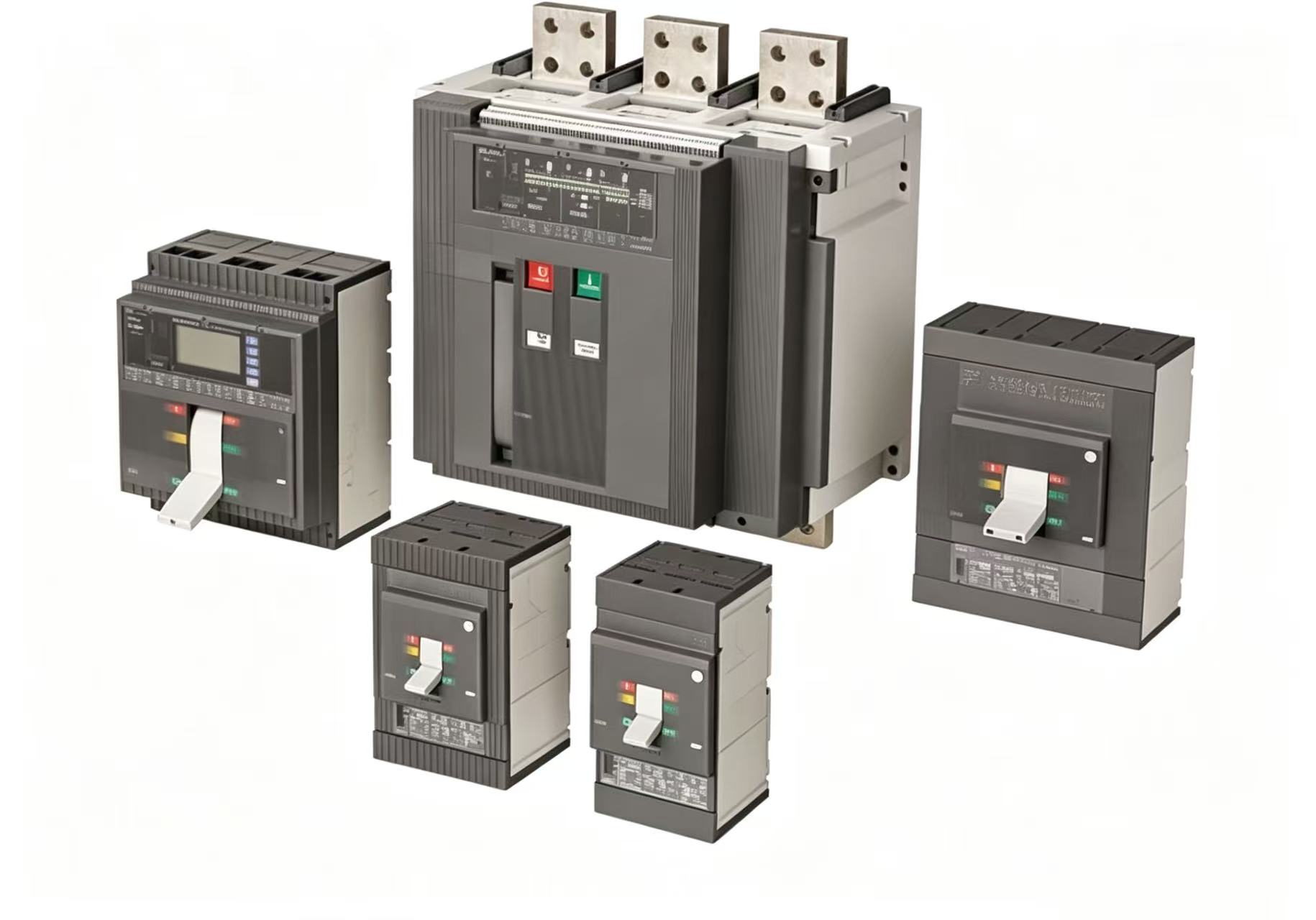
Switch type: CB grade (circuit-breaker type with overcurrent protection) and PC grade (isolator type for high withstand capability)
Operation mode: Fully automatic, manual, and remote control – three modes integrated
Interlocking protection: Dual electrical interlock plus mechanical interlock, guaranteeing mutually exclusive switching
Degree of protection: IP20 to IP54, adaptable from indoor distribution rooms to outdoor enclosures
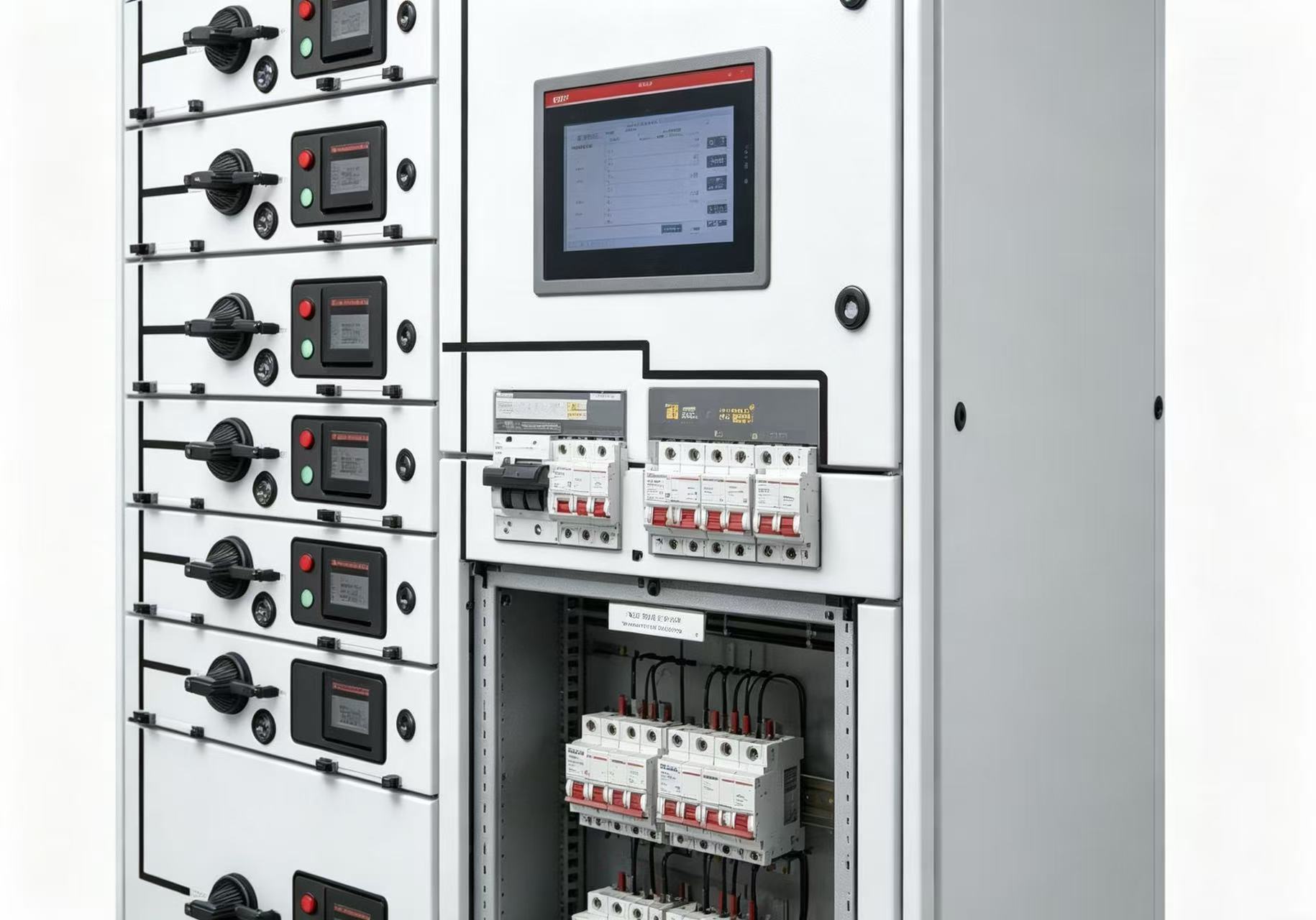
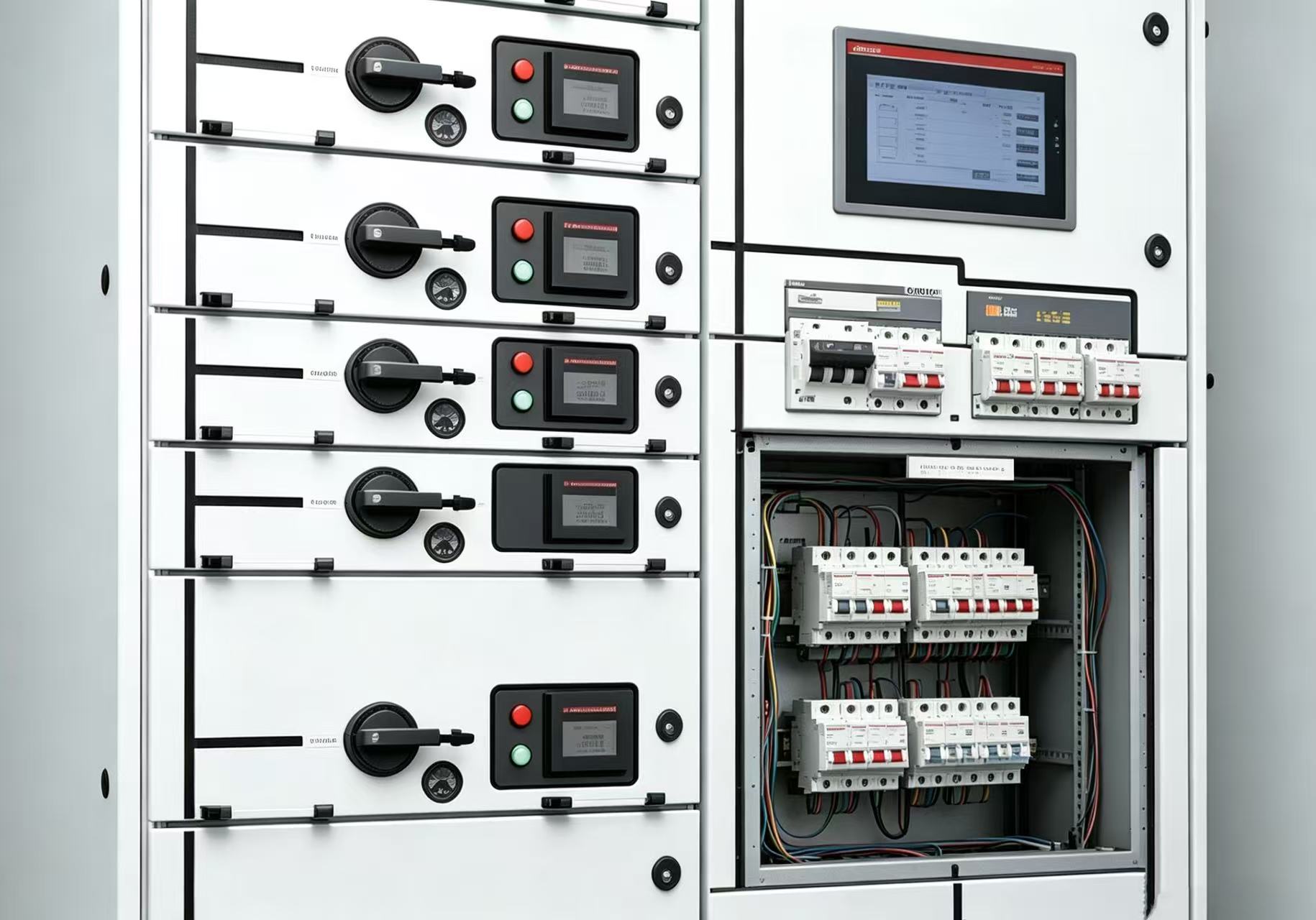
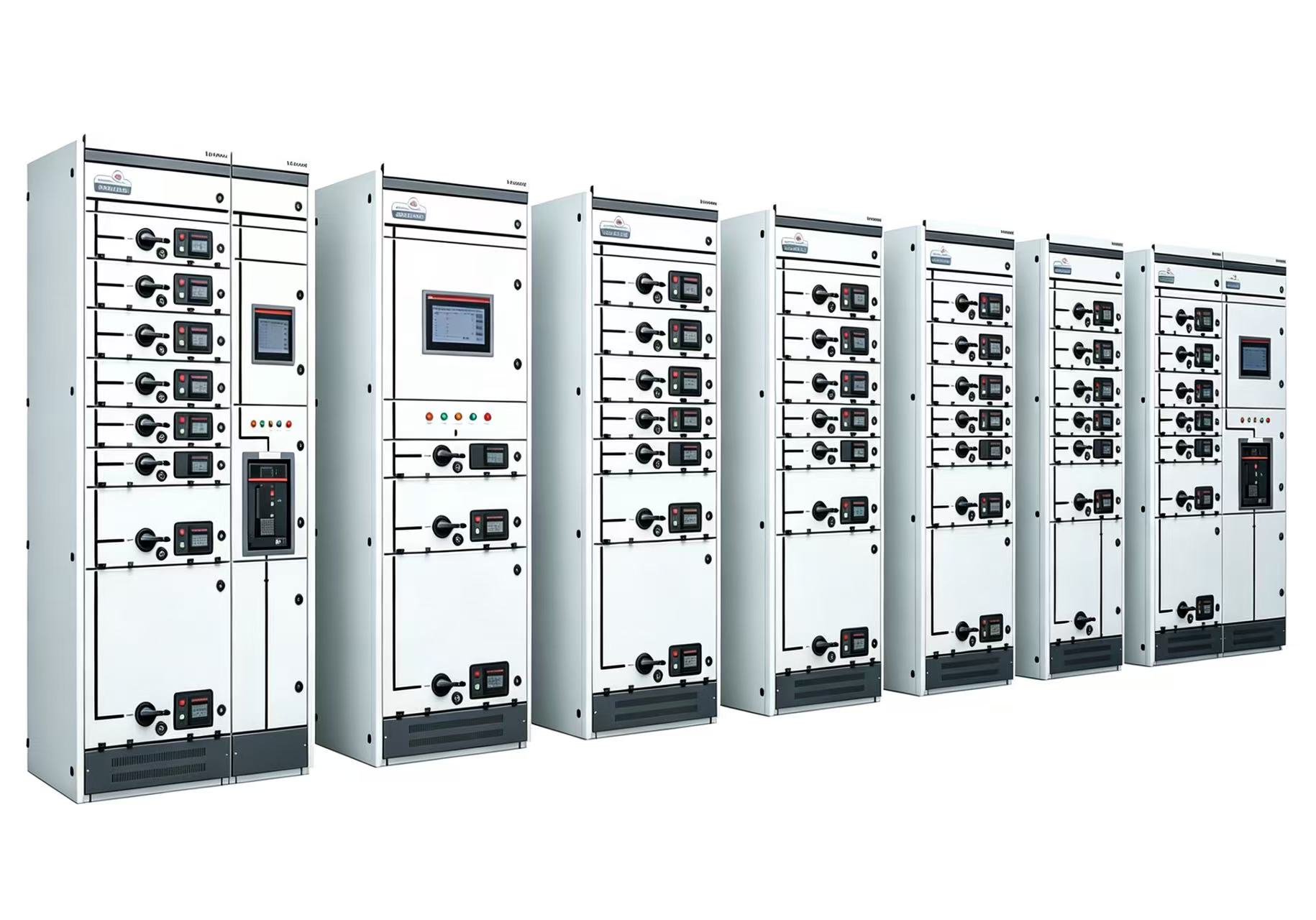
The Automatic Transfer Switch (ATS) is a sophisticated, self-acting power conversion device integrating real-time sensing, fast decision-making, and high-reliability switching. Upon detection of main source abnormalities (such as voltage sag, phase loss, or complete outage), the ATS instantly initiates a fail-safe transfer to an alternate source, ensuring uninterrupted power to critical loads. Key performance benchmarks include: ultra-fast transfer time (minimizing the power interruption window), programmable logic control (supporting customizable delay and priority strategies), and dual mechanical & electrical interlocking (eliminating any risk of simultaneous source closure). Operating modes include “automatic return” (reverts to main source once restored), “non-return” (remains on backup unless manually overridden), and manual override. The ATS is extensively deployed in Tier-1 critical applications such as hospital operating rooms, data center server rooms, fire safety systems, and telecom base stations – safeguarding vital infrastructure and digital continuity.
During the charging process, some lithium ions in lithium iron phosphate are removed and transferred to the negative electrode through the electrolyte, which is embedded in the negative electrode carbon material; At the same time, electrons are released from the positive electrode and reach the negative electrode from the external circuit, maintaining the balance of chemical reactions. During the discharge process, lithium ions detach from the negative electrode and reach the positive electrode through the electrolyte. At the same time, the negative electrode releases electrons, which reach the positive electrode from the external circuit and provide energy to the outside world.